Sunday, November 12, 2017

Author Interview: Peter Gajdics


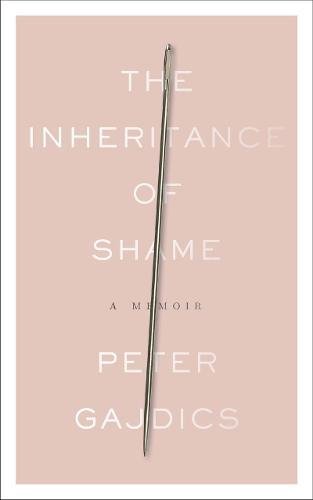
Peter Gajdics is the author of a new memoir, The Inheritance of Shame, published by Brown Paper Press. He is an award-winning writer whose essays and poetry have been published in, among others, The Advocate, New York Tyrant, The Gay and Lesbian Review / Worldwide, Cosmonauts Avenue, and Opium.


Peter recently answered questions for Rose City Reader about his writing, books, and his memoir, which documents his six-year journey through, and eventually out of, a particularly bizarre sort of therapy; the legal battle with his former psychiatrist; his complicated family history; and his attempts to reclaim his self-identity and his own story.


The Inheritance of Shame is largely about the six years you spent in “conversion therapy” to try to “cure” yourself of being gay. How did you come to write this book?

First, just a word of clarification. I think it’s important to understand that what happened to me was psychotherapeutic abuse; it was torture, not simply “conversion therapy.” My book is a cautionary tale—certainly for LGBTQ people, but for others as well, because first and foremost it’s a story about unethical medical / therapeutic practices, and severe boundary violation, a physician’s flagrant misuse of prescription medication to fulfill his own agenda, and the kind of loss of agency, even a lack of consent, that can arise when someone is in deep emotional or psychic duress. Anybody is vulnerable to that.

In terms of the book – for the first two years after leaving this “therapy” in 1995, I was in the throws of post-traumatic stress (anticipatory anxiety, flashbacks to the therapy, insomnia, nightmares, depression). It’s not so much that I wanted to kill myself as I thought I was already dead. As soon as I was strong enough to file the ethics complaint against my former psychiatrist in 1997, I knew I had to at least try and write some kind of book about what had happened during these six years, since the history of it all was just too bizarre and unjust, foul, not to be documented. As I eventually learned, there was also a history of these kinds of events happening to LGBT people that I felt strongly needed to end. My hope was that by telling my story I might help prevent the recurrence of similar forms of abuse in the future, especially for young people.

Initially, my main goal was to document objective facts and chronology, such as dates of treatment, dosages of medications and their side effects, details about other patients I met along the way, etc. I also transcribed as much factual dialogue as possible (between the doctor and me, and other people in the therapy), which I drew from my own personal diaries that I wrote while in treatment, taped therapy sessions (which the doctor had insisted I record), witness accounts, even my own memory, since much of it was all still fresh in my mind. I felt a real sense of urgency to get all of this “down on paper,” because I did not want the passage of time to erase my memory of events. I really did believe that remembering my past, and speaking my truth, rather than doing as so many people told me at that time and “forgetting” and “moving on,” would help me heal. The book changed over time as I changed: the facts of the story remained unaltered, of course, but the meaning behind my experiences developed and deepened as I became more willing and able to face my own history, and continued to heal from trauma.

Your memoir is intensely personal – did you have any qualms about sharing so much?

The moment I sat down to write this book I pasted the quote “I swear to tell the truth, the whole truth, and nothing but the truth” above my laptop. After years of lies and half-truths from my youth and in the therapy, even throughout the ethics complaint and much of the lawsuit where it seemed to me that medical and legal authorities did not really want to hear the truth—I was desperate to be “intensely personal,” to dig down deep and to write from the “bone,” so to speak. And so, no—I’ve never felt any qualms about sharing so much of my life, about being “intensely personal.” After all, writing this book wasn’t only a literary endeavor, but a means toward honestly looking at my life, what brought me to this “therapy,” why I stayed, and how it’s continued to impact me. It’s now a truism to say “the truth shall set you free,” but truth isn’t always so easy to come by. It can require years of hard work, including really uncomfortable honesty, especially with oneself. I knew that I’d never be able to do any of that and still hide in half-truths.

Did you consider turning your own experience into fiction and writing the book as a novel? Would your story make a good movie?

I never considered turning my experiences into fiction, since my intension had always been to say “this happened,” that it was all factual, and that if it can happen to one person it can happen to many people. I knew that writing a novel would never carry the same warning, or weight. Early on, and specifically because of my family’s objections, I did consider publishing under a pseudonym, but even there I quickly abandoned that idea because I knew my surname, Gajdics, would be crucial to the story I needed to tell. Besides, what sort of message would I have relayed if a book about truth had been published under a false identity? After years of pitching the book to literary agents, at one point I did revise my query letter and I called the book a “novel.” I never changed any of the writing in the actual book, but after the James Frey fiasco, and other memoirs were revealed to be lies, many agents had expressed great reluctance to take on a memoir like mine with such egregious content—constantly questioning the book’s veracity, as if it were all just too horrendous to be true. The funny thing is, the first agent to respond to my revised query said that he thought the book read like a memoir, not a novel; he suspected it was all true. I quickly abandoned the idea of trying to sell it as a novel.

I’m obviously biased when I say I do think the book would make a great film. My main caution about any kind of adaptation, however, is that so many films nowadays seem to reduce storylines down to their barest elements, as if filmmakers no longer trust an audience’s intelligence. For example, I’d feel great reluctant to turn this book into a film solely “about” conversion therapy. Besides, conversion therapy itself is a complex issue, not at all as black and white as some might make it out to be. The book is as much about the dangers of primal therapy as it is about “changing” sexual orientation. But it’s also about childhood sexual abuse and its impact on sexuality; intergenerational trauma; vulnerable people in search of some kind of communal utopia, and cultic abuse; loss of agency; the power of love, and forgiveness; and the difficult journey of carrying on in the face of no easy reconciliation. I don’t see that reflected very often in films about LGBT people—the tension of opposites in actually sustaining familial relationships while being confronted with ongoing conflict, sometimes even outward homophobia. What’s more common is either the gay person cuts their family out of their life (or the other way around—families tragically cut their gay child out of their lives), or the parents join PFLAG. Redemption doesn’t always come in the form of easy resolutions. That’s also a significant part of this book, as it has been in my life.

Who is your intended audience and what do you hope your readers will gain from your book?

The Inheritance of Shame clearly has an LGBTQ audience in mind, but I also wouldn’t want to pigeonhole the book into “only” being about queer issues; I’d hope it could also find a broad readership, since many of its themes transcend gender and sexuality—for example, I think the book might also appeal to anyone interested in familial conflicts, trauma and its aftermath and recovery, current politics, psychology, cults, even European history. In terms of what I hope readers might “gain” from the book—perhaps a sense of solidarity. None of us are ever really alone in our journeys, even as we separate ourselves with labels like LGBTQ. As I said at the start, terminology like “conversion therapy” can be misleading, since it seems to weed out as many or even more people from that experience as it tends to include. But beneath all of these labels and terms I think the themes of my book are universal, because we all have families, we’re all dealing with some kind of trauma, or past hurt, and confusion over how to forgive and move on in life. We’re all searching for answers.

Can you recommend any other LGBQT memoirs that deal with major life issues with the kind of heart and honesty you put into yours?

Everyone has their own limitations in terms of how “honest” they can be on the page, let alone in life, so I wouldn’t want to judge others’ ability in this way; that said, I just finished Roxanne Gay’s Hunger, which was gut wrenching and definitely queer focused. Garrard Conley’s Boy Erased, about his own experiences in a religious form of “ex-gay” therapy, was compelling, as was Steven Gaines’ One of These Things First. Of course, no list like this is complete without mentioning Augusten Burroughs’ Running With Scissors. I read a lot of memoirs while writing my own, not all of them LGBTQ focused, but some of my favorites were Joan Didion’s The Year of Magical Thinking and Blue Nights, Kathryn Harrison’s The Kiss, Patti Smith’s Just Kids, Alice Sebold’s Lucky, Susanna Kaysen’s Girl, Interrupted, Sonallah Ibrahim’s That Smell and Notes from Prison, Paul Aster’s The Invention of Solitude, Mira Bartok’s The Memory Palace, and Karti Marton’s Enemies of the People.

What did you learn from writing your book—either about the subject of the book or the writing process—that most surprised you?

I don’t think it’s an exaggeration to say that I learned a great deal about the actual craft of writing and editing, and then the business of publishing, as a direct result of writing this book. I touched on some of these “lessons learned” in a recent blog post. But the one thing that “most surprised” me would have to be related to my parents’ histories in Europe, their own past traumas, and how to a large degree they had affected and influenced my own choices in life, right down to entering this “therapy.” Throughout the whole time I wrote the book my mother talked to me about her years in the concentration camp in Yugoslavia, and I was always struck by the similarities between our own life trajectories; sometimes even the language she used about being in the camp, and her subsequent recovery, resonated with my own history of being in this therapeutic cult, as well as my recovery.
Toward the end of the writing, though as a direct result of it, my father also revealed events and insights from his own childhood as an orphan in Hungary, and there again, almost more than with my mother, his choice of words were almost exactly as I had always qualified my own childhood, in terms of my sense of isolation and displacement. How is that even possible?

There seemed to be almost a mystical quality to this unfolding of events, not just the trajectory of my parents’ lives through my own, but the way they revealed themselves to me as I wrote this book. The notion of “intergenerational trauma” took on a whole new meaning for me that was very real, not at all theoretical. I was constantly peeling back layers to underlying truths, while confronting fears, and shame, and forgiveness, and then needing to decide how much of what I was discovering should be included in the book. Sometimes, in the course of writing, I had to even double back and update an early part of the book that I thought I’d finished, specifically because I would learn something from my parents that I knew would help to clarify a detail near the beginning. It was all quite amazing to me.

In addition to writing your memoir, have you found other ways to help you heal from the trauma of this “therapy”?

Healing has occurred in stages, over many years, and continues in various ways to this day. Initially, after I left treatment, it was important for me to find a safe home, to withdraw from all the medications and regain the natural rhythms of sleep, to eat well, even to exercise, or at least to move my body and not to sink back into depression, which was always a danger. Reading and writing helped because I needed to educate myself about what had happened to me, to put it in its proper historical context, and then to separate lies from truth. Sharing my story with good friends, and then with a new counselor I could trust, was enormously healing. I’d recommend Judith Herman’s book Trauma and Recovery to any survivor who’s now searching for a “safe” therapist. Some people might feel safer in a group setting, but the point is that sharing one’s story to someone, or to a group, is vital, as long as it’s in a safe and non-judgmental environment.

Quieting my mind became important as I moved past the acute phase of recovery, since I still had many intruding thoughts and internalized judgments. Meditating or contemplating, even just sitting quietly and breathing deeply and feeling my body again while distancing myself from the constant barrage of internal “tapes” is an ongoing necessity. Many survivors of these kinds of treatments, or from any trauma, live for years in a constant state of dissociation, as did I, and so at some point it’s important to reconnect with one’s body, to return “home,” so to speak.

As I said, all of these steps toward recovery continue for me even today. Something from the outside world sometimes still triggers a memory—all the current media around “conversion therapy,” for example, even conversations with family members—and it’s like the “therapy” happened just yesterday and I still feel so much outrage and betrayal, even self-loathing about what I did to myself. Forgiving others is never easy, but forgiving myself, I’ve found, can be the most difficult. Practicing empathy toward myself, and actively contradicting the internal “critic,” as I said, is an ongoing challenge, but it’s crucial.

Almost more important than anything—one of the greatest forms of healing for me was to develop intimate relationships with other men; to have sex with other men free from shame or guilt, or even thoughts of any kind of moral failing or “abnormality”; to actually love another man. When conversion therapies fail at actually “changing” a person’s sexual orientation (as they always do), they at least try and prevent same-sex relationships from occurring (often on religious grounds). Our greatest victory over any of these acts of hatred and intolerance is to live life lovingly, and that includes sustaining meaningful same-sex relationships.

What kind of books do you like to read? What are you reading now?

My reading tastes can be quite diverse, from literary fiction like Ian McEwan’s On Chesil Beach, Andre Aciman’s Call Me By Your Name, or Iain Reid’s I’m Thinking of Ending Things (three I just read), to a wide variety of non-fiction, such as memoirs or books about psychology or trauma, and even some academia or scholarly books, such as those about gender and sexuality. I recently finished Bessel Van Der Kolk’s The Body Keeps the Score, about how trauma is stored in the body, and the ways in which survivors can actually help themselves heal, largely away from the disease model of “mental illness” and psychopharmacology. Currently, I’m reading Diana Athill’s Stet, about the famed editor’s life in the book publishing business starting in around post World War II England. Depending on my mood, I’m also switching back and forth between Roxanne Gay’s Bad Feminist (which appeals to my queer sensibilities) and Anne Applebaum’s Iron Curtain: The Crushing of Eastern Europe (which appeals to my interest in Cold War politics).

Do you have any events coming up to promote your book?

I’ll be at the Dog Eared Bookstore, Castro, San Francisco, tomorrow, November 13, along with authors Julia Serano and Lucy Jane Bledsoe, for a short talk and reading from the book. The only other planned event at this moment is the 15th Annual Saints and Sinners Literary Festival in New Orleans, on March 23-25, 2018. I hope to fill this gap with other events, and all of them will be listed on the event page on the book website.

What is the most valuable advice you’ve been given as an author?

Years ago I did read some advice, though it wasn’t given to me personally, in one of Larry Kramer’s books, I think Reports from The Holocaust, where he said something to the effect that no matter what anyone thinks or says, there will always be someone else who agrees and also disagrees with it, so we might as well go ahead and say what it is we want to say. It seems so basic, but it really did help me through many years of writing, because there were times I honestly did not know if what I needed to write would resonate with another living soul. It’s a leap of faith for anyone.

Any tips or hints for authors considering writing a memoir?

I can’t overstate the importance of editing as a separate process from actually writing, and not only copyediting or proofreading, but developmental editing. I also used index cards early on, pasting them to my wall and moving them around depending on how I wanted to tell the story. One other thing that helped near the end (which of course would have helped at the start) was writing a chapter-by-chapter outline of the whole book. Changing the order of chronology can drastically alter the feel and meaning of a book, so visualizing my story in these ways really helped me conceptualize the overall narrative.

Some very famous memoirists seem to shy away from addressing how to write about one’s life while including aspects from one’s family’s lives, at times even saying that authors should still always give their manuscripts to their family before publication, I suppose to ask for “permission.” Unfortunately, for many memoirists, especially for anyone writing about some kind of personal or familial trauma, I just don’t think this is always plausible, or possible, even advisable; in some cases, I think it could even add to the trauma. What this means for the writer is that they are often faced with confronting a lot of very difficult questions themselves, such as around motivation, and levels of healing, even ethical and moral issues about the nature of memoir writing, like when is it appropriate to include aspects of someone else’s life without their actual consent or knowledge. Just because someone says or believes they don’t want you to include aspects from their life in a book you’re writing about your own doesn’t mean you shouldn’t still do it—but “how” to do it, and “why” it should still be done, can get sticky. I struggled with all of this while writing my book. The payoff, I really do believe, can result in a better final product, because the process can only ever help us grow, and become better writers, more humane.

What’s next? What are you working on now?

I’m working on a piece of fiction—saying it’s a “novel” sort of freaks me out, so for now I like to stick to the words “a piece of fiction.” I’m careful not to burst the creative bubble by saying too much about it, except that I can see how my history still greatly influences me in terms of the kinds of stories and characters that interest me. Maybe this is true for all novelists; I don’t know. The subject of memory also fascinates me—specifically, how memory of past events seems to change over the course of one’s life, depending on who we are or what we’ve learned or forgiven at any given time. But honestly, I’m jumping back and forth between the new writing project, and ongoing marketing and work around The Inheritance of Shame: A Memoir. All of it keeps me hopping, and I love that.


THANK YOU, PETER!

THE INHERITANCE OF SHAME IS AVAILABLE ON LINE OR ASK YOUR LOCAL BOOK SELLER TO ORDER IT!


Thursday, November 9, 2017

Book Beginning: Bitter is the Wind by Jim McDermott

BOOK BEGINNINGS ON FRIDAYS

THANKS FOR JOINING ME ON FRIDAYS FOR BOOK BEGINNING FUN!

MY BOOK BEGINNING


During his first suspension from Netherwood Junior High School in rural upstate New York for throwing ice cubes down a girl's shirt, George Johnson Jr. passed the time at home by himself.

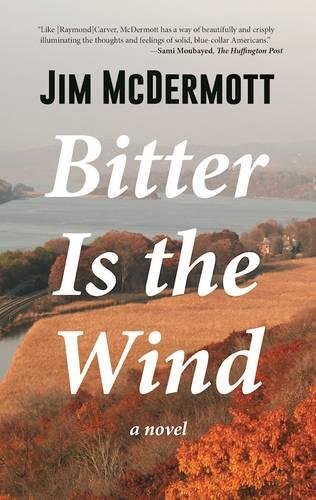
Bitter is the Wind by Jim McDermott. That is just the kind of opening sentence I like, one that introduces the book and lets me know that there is going to be an actual story here, not just pretty writing. We already know the setting and the main character, and that "Jr." in his name tells us his dad is involved, somehow.

And, sure enough, this debut novel is a father/son story that follows the family from blue collar upstate New York in the 1970s to Wall Street in the 1980s, and feels perfect for right now. It's getting good reviews, like this one in the San Francisco Book Review that described it as "a fascinating character study and slice of life novel."


Please join me every Friday to share the first sentence (or so) of the book you are reading, along with your initial thoughts about the sentence, impressions of the book, or anything else the opener inspires. Please remember to include the title of the book and the author’s name.

EARLY BIRDS & SLOWPOKES: This weekly post goes up Thursday evening for those who like to get their posts up and linked early on. But feel free to add a link all week.

FACEBOOK: Rose City Reader has a Facebook page where I post about new and favorite books, book events, and other bookish tidbits, as well as link to blog posts. I'd love a "Like" on the page! You can go to the page here to Like it. I am happy to Like you back if you have a blog or professional Facebook page, so please leave a comment with a link and I will find you.

TWITTER, ETC: If you are on Twitter, Instagram, Google+, or other social media, please post using the hash tag #BookBeginnings. I try to follow all Book  Beginnings participants on whatever interweb sites you are on, so please let me know if I have missed any and I will catch up.

TIE IN: The Friday 56 hosted by Freda's Voice is a natural tie in with this event and there is a lot of cross over, so many people combine the two. The idea is to post a teaser from page 56 of the book you are reading and share a link to your post. Find details and the Linky for your Friday 56 post on Freda’s Voice.

YOUR BOOK BEGINNING


Monday, November 6, 2017

Mailbox Monday: Stanley Middleton

A matching vintage set of Stanley Middleton books came my way. What books came into your house last week?


Changes and Chances

Valley of Decision

Entry into Jerusalem

Stanley Middleton won the 1974 Booker Prize for Holiday and wrote a total of 44 novels. I found these three on the Friends of the Library sale shelf when I was in Missoula for work.


Thanks for joining me for Mailbox Monday, a weekly "show & tell" blog event where participants share the books they acquired the week before. Visit the Mailbox Monday website to find links to all the participants' posts and read more about Books that Caught our Eye.

Mailbox Monday is graciously hosted by Leslie of Under My Apple Tree, Serena of Savvy Verse & Wit, and Vicki of I'd Rather Be at the Beach.


Thursday, November 2, 2017

Book Beginning: The Glorious Heresies

BOOK BEGINNINGS ON FRIDAYS

THANKS FOR JOINING ME ON FRIDAYS FOR BOOK BEGINNING FUN!

MY BOOK BEGINNING


He left the boy outside its own front door.

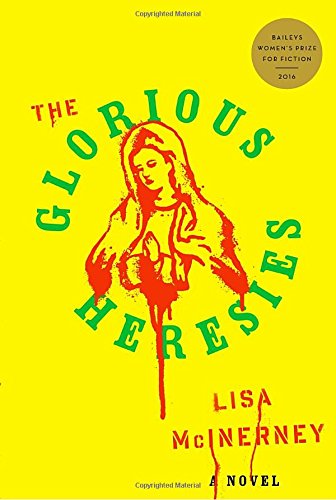
The Glorious Heresies by Lisa McInerney. Winner of the 2016 Baileys Women's Prize for Fiction. So far, I am loving this rollicking story about Irish street life, although drugs, prostitution, and murder are not my usual cup of tea.

I'm probably feeling feisty because I just today settled a huge sex abuse case in Montana against the Boy Scouts involving girls abused in Explorer Scouts in the 1970s.

So apologies for the  somewhat late post -- my team has been out celebrating!


Please join me every Friday to share the first sentence (or so) of the book you are reading, along with your initial thoughts about the sentence, impressions of the book, or anything else the opener inspires. Please remember to include the title of the book and the author’s name.

EARLY BIRDS & SLOWPOKES: This weekly post goes up Thursday evening for those who like to get their posts up and linked early on. But feel free to add a link all week.

FACEBOOK: Rose City Reader has a Facebook page where I post about new and favorite books, book events, and other bookish tidbits, as well as link to blog posts. I'd love a "Like" on the page! You can go to the page here to Like it. I am happy to Like you back if you have a blog or professional Facebook page, so please leave a comment with a link and I will find you.

TWITTER, ETC: If you are on Twitter, Instagram, Google+, or other social media, please post using the hash tag #BookBeginnings. I try to follow all Book  Beginnings participants on whatever interweb sites you are on, so please let me know if I have missed any and I will catch up.

TIE IN: The Friday 56 hosted by Freda's Voice is a natural tie in with this event and there is a lot of cross over, so many people combine the two. The idea is to post a teaser from page 56 of the book you are reading and share a link to your post. Find details and the Linky for your Friday 56 post on Freda’s Voice.

YOUR BOOK BEGINNING


Monday, October 30, 2017

Mailbox Monday: Queen of Spades by Michael Shou-Yung Shum

One new book came to me last week How about you?


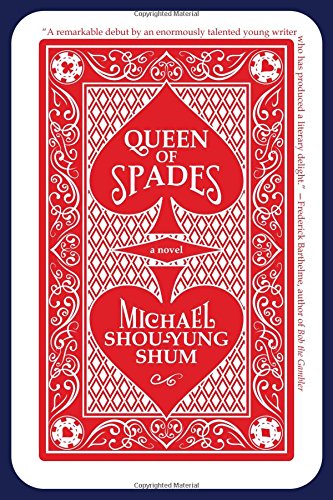
Queen of Spades by Michael Shou-Yung Shum. This debut novel re-imagines Pushkin's fable of the same name, but set in a Washington state casino in the 1980s. Forest Ave. Press puts out terrific books with eye popping covers, many of them like this one designed by Portland artist Gigi Little.


Thanks for joining me for Mailbox Monday, a weekly "show & tell" blog event where participants share the books they acquired the week before. Visit the Mailbox Monday website to find links to all the participants' posts and read more about Books that Caught our Eye.

Mailbox Monday is graciously hosted by Leslie of Under My Apple Tree, Serena of Savvy Verse & Wit, and Vicki of I'd Rather Be at the Beach.


Thursday, October 26, 2017

Book Beginning: Birdsong by Sebastian Faulks

BOOK BEGINNINGS ON FRIDAYS

THANKS FOR JOINING ME ON FRIDAYS FOR BOOK BEGINNING FUN!

MY BOOK BEGINNING


The boulevard du Cange was a broad, quiet street that marked the eastern flank of the city of Amiens.

It took a long work trip to get me to finally read Birdsong by Sebastian Faulks.

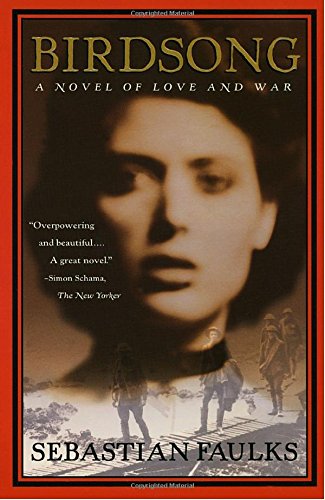
I know everyone seems to love Birdsong, but I’ve had my fill of WWI books. That’s why it took me so long to get around to this one. There are only so many descriptions of trench warfare I can read. I'm now halfway through and I'll finish it, but I can't say it's doing all that much for me. And I find this blurry cover insipid. Thoughts?


Please join me every Friday to share the first sentence (or so) of the book you are reading, along with your initial thoughts about the sentence, impressions of the book, or anything else the opener inspires. Please remember to include the title of the book and the author’s name.

EARLY BIRDS & SLOWPOKES: This weekly post goes up Thursday evening for those who like to get their posts up and linked early on. But feel free to add a link all week.

FACEBOOK: Rose City Reader has a Facebook page where I post about new and favorite books, book events, and other bookish tidbits, as well as link to blog posts. I'd love a "Like" on the page! You can go to the page here to Like it. I am happy to Like you back if you have a blog or professional Facebook page, so please leave a comment with a link and I will find you.

TWITTER, ETC: If you are on Twitter, Instagram, Google+, or other social media, please post using the hash tag #BookBeginnings. I try to follow all Book  Beginnings participants on whatever interweb sites you are on, so please let me know if I have missed any and I will catch up.

TIE IN: The Friday 56 hosted by Freda's Voice is a natural tie in with this event and there is a lot of cross over, so many people combine the two. The idea is to post a teaser from page 56 of the book you are reading and share a link to your post. Find details and the Linky for your Friday 56 post on Freda’s Voice.


MY ORIGINAL POST THIS WEEK:

PLEASE JOIN ME FOR BOOK BEGINNINGS ON FRIDAYS!

Pardon this makeshift version. I’m in the Missoula, Montana airport, trying to get this post up. My flight was delayed two hours and I am without laptop.

I’ll fix this in the morning. For now, please leave your Book Beginning link here:


Tuesday, October 24, 2017

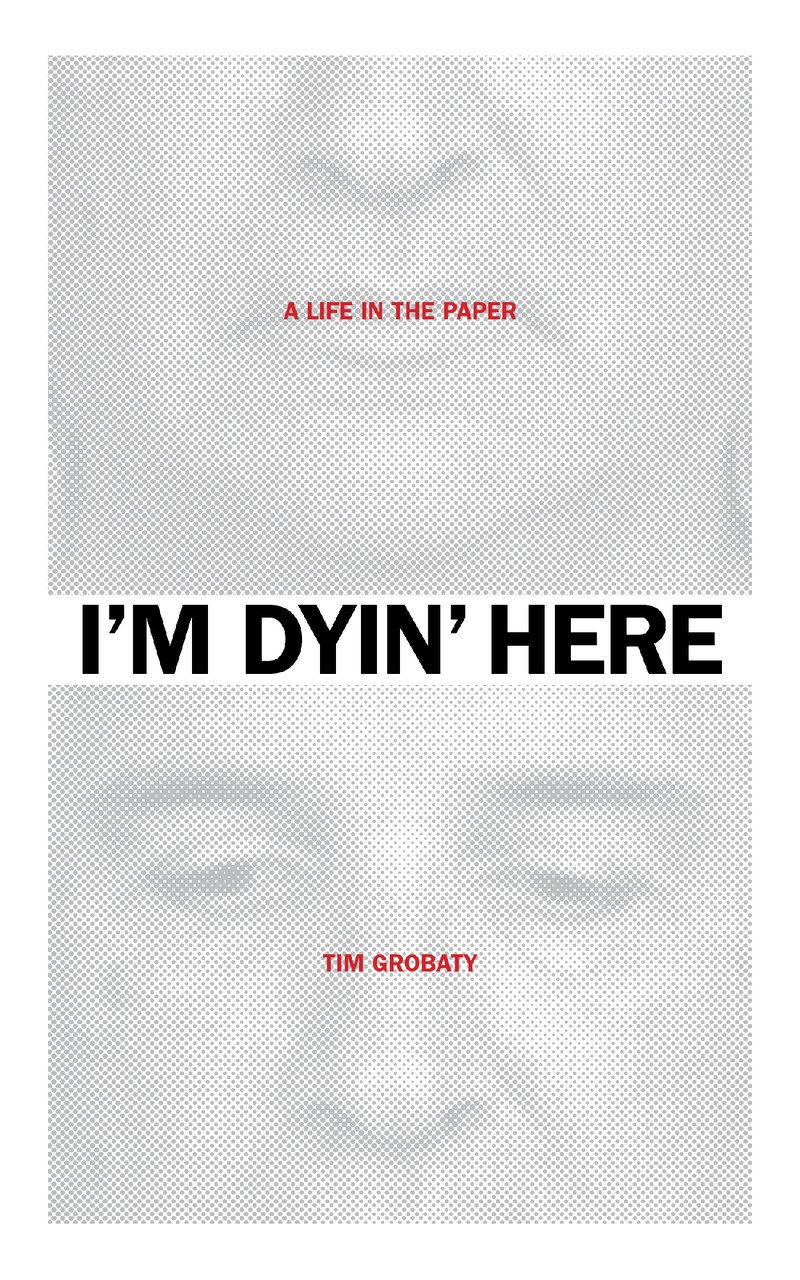
Teaser Tuesday: I'm Dyin' Here by Tim Grobaty


The newspaper never closed. . . . The thundering presses in the basement worked without rest, churning out five editions each day to meet the needs of readers' varied preferences and habits.

-- I'm Dyin' Here: A Life in the Paper by Tim Grobaty, published by Brown Paper Press.

Grobary's lighthearted essays look back at his life as a newspaper columnist, contemplating whether he will die at his desk or the industry will die around him.


Teaser Tuesdays is hosted by The Purple Booker, where you can find the official rules for this weekly event.

Monday, October 23, 2017

Mailbox Monday

Two new books came into my house last week. How about you?


Bitter is the Wind by Jim McDermott. This coming-of-age, father/son novel is described as a "deft and timely deconstruction of the American dream." It's getting good reviews, like this one on Huffington Post.


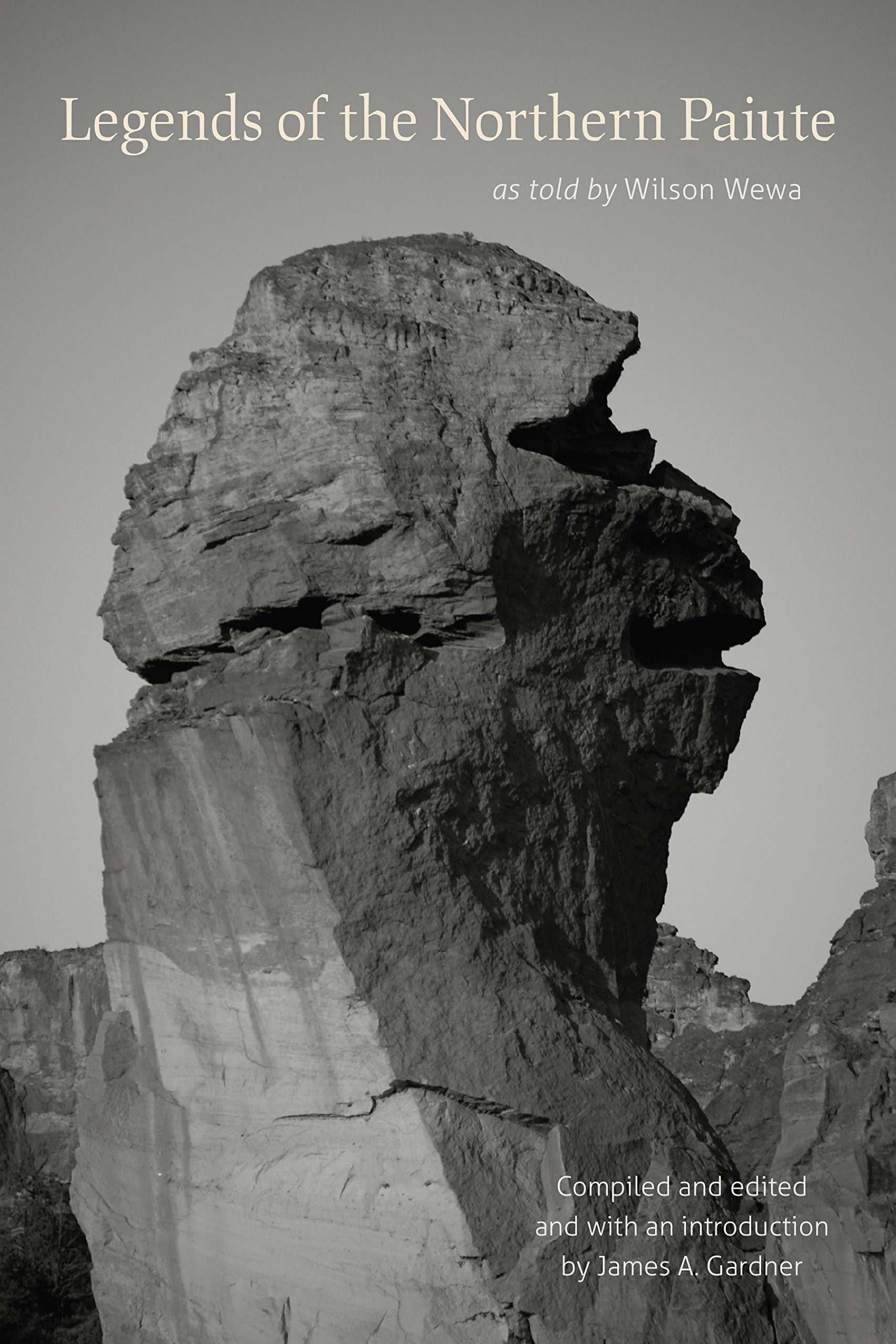
Legends of the Northern Paiute, as told by Wilson Wewa, compiled and edited by James A. Gardner, published by OSU Press. This is the culmination of a cool project to preserve the previously unrecorded Northern Paiute legends. The picture on the cover is Monkey Face Rock in central Oregon.


Thanks for joining me for Mailbox Monday, a weekly "show & tell" blog event where participants share the books they acquired the week before. Visit the Mailbox Monday website to find links to all the participants' posts and read more about Books that Caught our Eye.

Mailbox Monday is graciously hosted by Leslie of Under My Apple Tree, Serena of Savvy Verse & Wit, and Vicki of I'd Rather Be at the Beach.


Thursday, October 19, 2017

Book Beginning: I'm Dyin Here by Tim Grobaty

BOOK BEGINNINGS ON FRIDAYS

THANKS FOR JOINING ME ON FRIDAYS FOR BOOK BEGINNING FUN!

MY BOOK BEGINNING


I am. I'm dying here. Ask my doctor.

-- I'm Dyin' Here: A Life in the Paper by Tim Grobaty. This collection of essays looks at newspaper life, contemplating that, as the newspaper industry dies around him, this longtime columnist might just die at his job.


Please join me every Friday to share the first sentence (or so) of the book you are reading, along with your initial thoughts about the sentence, impressions of the book, or anything else the opener inspires. Please remember to include the title of the book and the author’s name.

EARLY BIRDS & SLOWPOKES: This weekly post goes up Thursday evening for those who like to get their posts up and linked early on. But feel free to add a link all week.

FACEBOOK: Rose City Reader has a Facebook page where I post about new and favorite books, book events, and other bookish tidbits, as well as link to blog posts. I'd love a "Like" on the page! You can go to the page here to Like it. I am happy to Like you back if you have a blog or professional Facebook page, so please leave a comment with a link and I will find you.

TWITTER, ETC: If you are on Twitter, Instagram, Google+, or other social media, please post using the hash tag #BookBeginnings. I try to follow all Book  Beginnings participants on whatever interweb sites you are on, so please let me know if I have missed any and I will catch up.

TIE IN: The Friday 56 hosted by Freda's Voice is a natural tie in with this event and there is a lot of cross over, so many people combine the two. The idea is to post a teaser from page 56 of the book you are reading and share a link to your post. Find details and the Linky for your Friday 56 post on Freda’s Voice.

YOUR BOOK BEGINNING


Tuesday, October 17, 2017

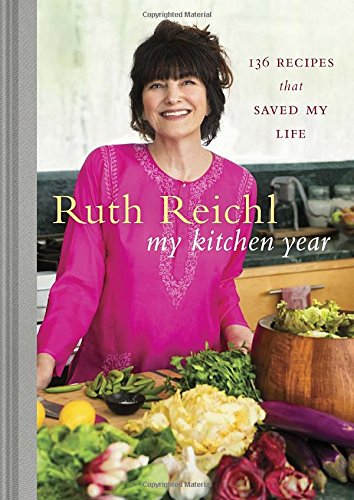
Teaser Tuesday: My Kitchen Year by Ruth Reichl


The physical act of cooking gives me enormous pleasure, but I also like watching what it does for others. Even the angriest person is soothed by the scent of soup simmering on the stove.

-- My Kitchen Year: 136 Recipes That Saved My Life by Ruth Reichl. When Gourmet magazine abruptly shut down in the fall of 2009, its Editor in chief, Ruth Reichl, "disappeared into the kitchen" to figure out how what to do with herself. At 61, she was not ready to retire, but had no plans for what to do next.

Reichl reads the audiobook herself, which I love for nonfiction books.


Teaser Tuesdays is hosted by The Purple Booker, where you can find the official rules for this weekly event.


Friday, October 13, 2017

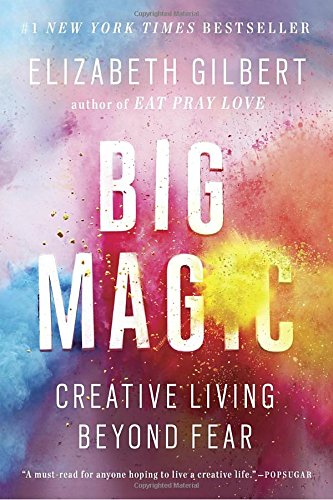
Book Beginning: Big Magic by Elizabeth Gilbert

BOOK BEGINNINGS ON FRIDAYS

THANKS FOR JOINING ME ON FRIDAYS FOR BOOK BEGINNING FUN!

Sorry for not posting last night -- my work day got away from me! I don't usually write here about my work, but the news about the Boy Scouts letting girls has my head spinning.

As a lawyer who has represented over 100 adults who were sexually abused as kids in Scouts, I have big reservations about letting more girls in. Girls have been in Explorer Scouts since 1971. I currently represent six women who were sexually molested by the leader of their coed Explorer post when they were as young as 11. I really think the BSA needs to offer full transparency about its history of sexual abuse before inviting more, and younger, girls to join.

I'll get off my soapbox now.

MY BOOK BEGINNING


One upon a time, there was a man named Jack Gilbert, who was not related to me -- unfortunately for me.

Big Magic: Creative Living Beyond Fear by Elizabeth Gilbert. I am getting a lot out of this short book. It is aimed at artists or writers, but her thoughts are applicable to anyone who wants to think more creatively about a career or enthusiasm.


Please join me every Friday to share the first sentence (or so) of the book you are reading, along with your initial thoughts about the sentence, impressions of the book, or anything else the opener inspires. Please remember to include the title of the book and the author’s name.

EARLY BIRDS & SLOWPOKES: This weekly post goes up Thursday evening for those who like to get their posts up and linked early on. But feel free to add a link all week.

FACEBOOK: Rose City Reader has a Facebook page where I post about new and favorite books, book events, and other bookish tidbits, as well as link to blog posts. I'd love a "Like" on the page! You can go to the page here to Like it. I am happy to Like you back if you have a blog or professional Facebook page, so please leave a comment with a link and I will find you.

TWITTER, ETC: If you are on Twitter, Instagram, Google+, or other social media, please post using the hash tag #BookBeginnings. I try to follow all Book  Beginnings participants on whatever interweb sites you are on, so please let me know if I have missed any and I will catch up.

TIE IN: The Friday 56 hosted by Freda's Voice is a natural tie in with this event and there is a lot of cross over, so many people combine the two. The idea is to post a teaser from page 56 of the book you are reading and share a link to your post. Find details and the Linky for your Friday 56 post on Freda’s Voice.

YOUR BOOK BEGINNING


Tuesday, October 10, 2017

Teaser Tueday: The Inheritance of Shame by Peter Gajdics


The political history of Europe, which both of my parents discussed without hesitation, interested me far less than their personal experiences of war, which neither would even mention. I could never ask them anything about their "emotional lives" in Europe, that much I knew.

-- The Inheritance of Shame: A Memoir by Peter Gajdics, published by Brown Paper Press.

Gajdics grew up in Vancouver, British Columbia, raised by Eastern European parents who struggled with trauma from their own pasts.

His new memoir explores his struggle of growing up gay, spending years in "conversion therapy" trying not to be, suing his psychiatrist, and finally reclaiming his life on his own terms.


Teaser Tuesdays is hosted by The Purple Booker, where you can find the official rules for this weekly event.

Monday, October 9, 2017

Mailbox Monday: Malcolm Bradbury


Eating People is Wrong has always been my favorite book title, and I love campus novels, but I’ve never read Malcolm Bradbury’s books. So I went on a mini-binge and got these four from Book Depository because I love the covers.

Eating People is Wrong

The History Man

Rates of Exchange

To the Hermitage

Any Malcolm Bradbury fans?

Unfortunately, there are two others from the same re-issued editions that are not available. I would love to have a complete set!


Thanks for joining me for Mailbox Monday, a weekly "show & tell" blog event where participants share the books they acquired the week before. Visit the Mailbox Monday website to find links to all the participants' posts and read more about Books that Caught our Eye.

Mailbox Monday is graciously hosted by Leslie of Under My Apple Tree, Serena of Savvy Verse & Wit, and Vicki of I'd Rather Be at the Beach.


Thursday, October 5, 2017

Book Beginning: The Inheritance of Shame by Peter Gajdics


BOOK BEGINNINGS ON FRIDAYS

THANKS FOR JOINING ME ON FRIDAYS FOR BOOK BEGINNING FUN!

MY BOOK BEGINNING


By the third time the car had circled the block, I knew the man was interested.

-- The Inheritance of Shame: A Memoir by Peter Gajdics, published by Brown Paper Press.

Gajdics grew up in Vancouver, British Columbia, raised by Eastern European parents who struggled with their own tormented histories. His new book tells the story of growing up gay, spending six years in "conversion therapy" trying not to be, suing his psychiatrist, and finally attempting to reclaim his life, his family, and his truth.


Please join me every Friday to share the first sentence (or so) of the book you are reading, along with your initial thoughts about the sentence, impressions of the book, or anything else the opener inspires. Please remember to include the title of the book and the author’s name.

EARLY BIRDS & SLOWPOKES: This weekly post goes up Thursday evening for those who like to get their posts up and linked early on. But feel free to add a link all week.

FACEBOOK: Rose City Reader has a Facebook page where I post about new and favorite books, book events, and other bookish tidbits, as well as link to blog posts. I'd love a "Like" on the page! You can go to the page here to Like it. I am happy to Like you back if you have a blog or professional Facebook page, so please leave a comment with a link and I will find you.

TWITTER, ETC: If you are on Twitter, Instagram, Google+, or other social media, please post using the hash tag #BookBeginnings. I try to follow all Book  Beginnings participants on whatever interweb sites you are on, so please let me know if I have missed any and I will catch up.

TIE IN: The Friday 56 hosted by Freda's Voice is a natural tie in with this event and there is a lot of cross over, so many people combine the two. The idea is to post a teaser from page 56 of the book you are reading and share a link to your post. Find details and the Linky for your Friday 56 post on Freda’s Voice.

YOUR BOOK BEGINNING


Tuesday, October 3, 2017

Teaser Tuesday: My Father's Ledger by Mary Mills


“I would like to begin today by saying that I don’t have any expectations for either of you to make any kind of statement or apology to me. In fact, I would almost prefer that you didn’t try to say anything to appease me.”

-- My Father's Ledger: Sex Abuse by a Catholic Priest - A Family's Story of Grace Survival and Healing by Mary Mills, from Chapter One, "Grace: At the Table With the Priests."

Mary Mills' memoir tells the story of how her Catholic family was torn apart when their priest seduced the mother and later sexually abused her younger sister. But she goes further and explains how they were able to come together again as adults.

This book touches me personally because I was one of the attorneys who represented the sister in her claim against the Jesuits. The scene above is from the meeting between our client and the perpetrator priest and a representative from the Jesuits, which we negotiated as part of the resolution of her claim so she could speak her piece.


Teaser Tuesdays is hosted by The Purple Booker, where you can find the official rules for this weekly event.

Monday, October 2, 2017

Mailbox Monday: Brown Paper Press

I'm excited about these three books from Brown Paper Press! Two are essay collections, one is a memoir.


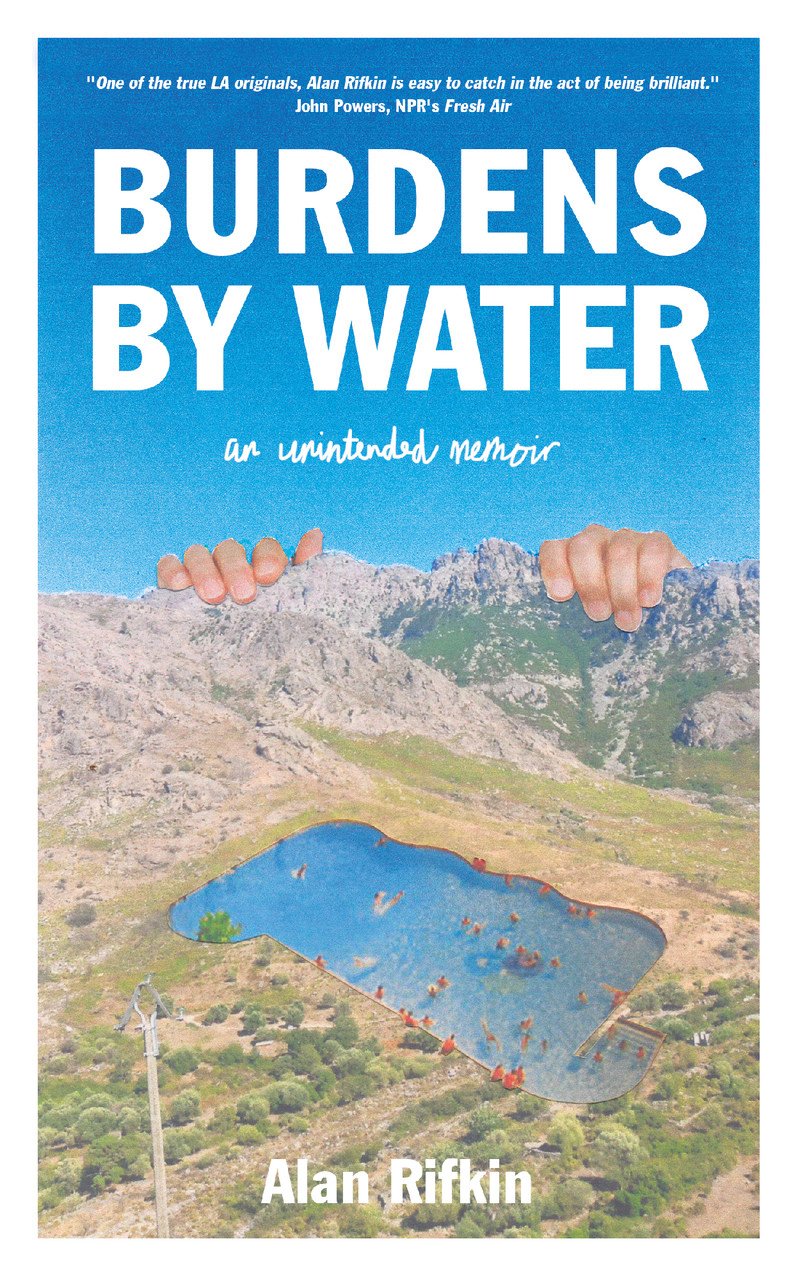
Burdens by Water: An Unintended Memoir by Alan Rifkin. A collection of essays about life in Southern California.


I'm Dyin' Here: A Life in the Paper by Tim Grobaty. In this collection of essays, the author contemplates life as a newspaper columnist, including the ideas that he might die at his job and that the newspaper industry is dying around him.


The Inheritance of Shame: A Memoir by Peter Gajdics. The author spent six years in a cult-like version of conversion therapy that attempted to “cure” him of his homosexuality.

A little backstory: My parents turned me on to Brown Paper Press. My folks have been good friends since the 1950s with the parents of founder Wendy Thomas Russell. When our parents were visiting this summer, they put it together that I have a book blog and Wendy is a book publisher, so they hooked us up. Good connection! I think the last time we saw each other, I was maybe in first grade and Wendy was in a stroller!


Thanks for joining me for Mailbox Monday, a weekly "show & tell" blog event where participants share the books they acquired the week before. Visit the Mailbox Monday website to find links to all the participants' posts and read more about Books that Caught our Eye.

Mailbox Monday is graciously hosted by Leslie of Under My Apple Tree, Serena of Savvy Verse & Wit, and Vicki of I'd Rather Be at the Beach.


Thursday, September 28, 2017

Book Beginning: My Father's Ledger by Mary Mills

BOOK BEGINNINGS ON FRIDAYS

THANKS FOR JOINING ME ON FRIDAYS FOR BOOK BEGINNING FUN!

MY BOOK BEGINNING


Roseanne slowly maneuvered her Volkswagen Passat toward downtown, her fingers drumming an impatient rhythm on the steering wheel.

-- My Father's Ledger: Sex Abuse by a Catholic Priest - A Family's Story of Grace Survival and Healing by Mary Mills, from Chapter One, "Grace: At the Table With the Priests."

This powerful new memoir tells how the betrayal of trust can change a family forever. It doesn't give too much away to explain that the family priest seduced the mother and later sexually abused the author's younger sister.

This book touches me personally because I was one of the attorneys who represented the sister in her claim against the Jesuits. The story of the family's survival is inspiring.


Please join me every Friday to share the first sentence (or so) of the book you are reading, along with your initial thoughts about the sentence, impressions of the book, or anything else the opener inspires. Please remember to include the title of the book and the author’s name.

EARLY BIRDS & SLOWPOKES: This weekly post goes up Thursday evening for those who like to get their posts up and linked early on. But feel free to add a link all week.

FACEBOOK: Rose City Reader has a Facebook page where I post about new and favorite books, book events, and other bookish tidbits, as well as link to blog posts. I'd love a "Like" on the page! You can go to the page here to Like it. I am happy to Like you back if you have a blog or professional Facebook page, so please leave a comment with a link and I will find you.

TWITTER, ETC: If you are on Twitter, Instagram, Google+, or other social media, please post using the hash tag #BookBeginnings. I try to follow all Book  Beginnings participants on whatever interweb sites you are on, so please let me know if I have missed any and I will catch up.

TIE IN: The Friday 56 hosted by Freda's Voice is a natural tie in with this event and there is a lot of cross over, so many people combine the two. The idea is to post a teaser from page 56 of the book you are reading and share a link to your post. Find details and the Linky for your Friday 56 post on Freda’s Voice.

YOUR BOOK BEGINNING


Monday, September 25, 2017

Mailbox Monday

I got two new books last week while we were driving through the Poconos and stopped to explore Jim Thorpe, a historic mining town. The adorable Dimmick Memorial Library had a pretty good Friends sale shelf.

What books came into your house last week?


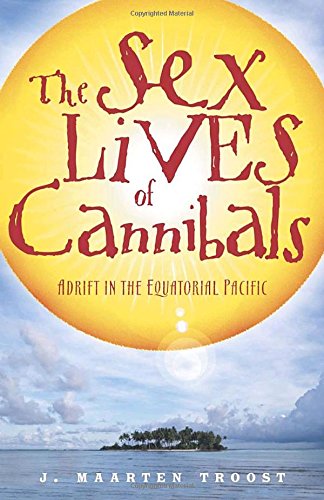
The Sex Lives of Cannibals: Adrift in the Equatorial Pacific by J. Maarten Troost


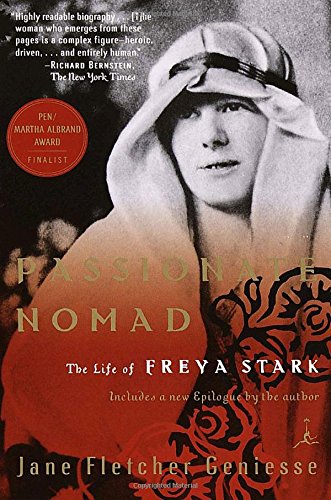
Passionate Nomad: The Life of Freya Stark by Jane Fletcher Geniesse


Thanks for joining me for Mailbox Monday, a weekly "show & tell" blog event where participants share the books they acquired the week before. Visit the Mailbox Monday website to find links to all the participants' posts and read more about Books that Caught our Eye.

Mailbox Monday is graciously hosted by Leslie of Under My Apple Tree, Serena of Savvy Verse & Wit, and Vicki of I'd Rather Be at the Beach.


Thursday, September 21, 2017

Book Begining: Any Woman's Blues by Erica Jong

BOOK BEGINNINGS ON FRIDAYS

THANKS FOR JOINING ME ON FRIDAYS FOR BOOK BEGINNING FUN!

MY BOOK BEGINNING


How I came to edit this curious manuscript -- and how indeed Isadora Wing came to write it -- are two of the many bizarre stories the ensuing pages have to tell.

-- "Foreword" to Any Woman's Blues by Erica Jong.

I love the gusto of Erica Jong's books. This one is the supposed posthumous, unfinished novel by Jong's alter-ego heroine, Isadora Wing, about a successful artist obsessed with a younger man.


Please join me every Friday to share the first sentence (or so) of the book you are reading, along with your initial thoughts about the sentence, impressions of the book, or anything else the opener inspires. Please remember to include the title of the book and the author’s name.

EARLY BIRDS & SLOWPOKES: This weekly post goes up Thursday evening for those who like to get their posts up and linked early on. But feel free to add a link all week.

FACEBOOK: Rose City Reader has a Facebook page where I post about new and favorite books, book events, and other bookish tidbits, as well as link to blog posts. I'd love a "Like" on the page! You can go to the page here to Like it. I am happy to Like you back if you have a blog or professional Facebook page, so please leave a comment with a link and I will find you.

TWITTER, ETC: If you are on Twitter, Instagram, Google+, or other social media, please post using the hash tag #BookBeginnings. I try to follow all Book  Beginnings participants on whatever interweb sites you are on, so please let me know if I have missed any and I will catch up.

TIE IN: The Friday 56 hosted by Freda's Voice is a natural tie in with this event and there is a lot of cross over, so many people combine the two. The idea is to post a teaser from page 56 of the book you are reading and share a link to your post. Find details and the Linky for your Friday 56 post on Freda’s Voice.

YOUR BOOK BEGINNING


Monday, September 18, 2017

Mailbox Monday: My Father's Ledger by Mary Mills

What books came into your house last week?

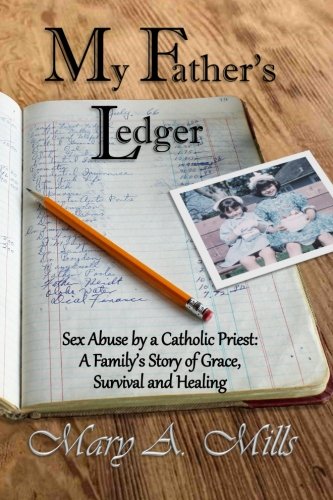
I got one new book, My Father's Ledger by Mary Mills. It is a memoir about how the betrayal of trust changed one family forever. It doesn't give too much away to explain that the family priest seduced the mother and later sexually abused one of the daughters. This is a powerful book.

My Father's Ledger: Sex Abuse by a Catholic Priest - A Family's Story of Grace Survival and Healing by Mary Mills


Thanks for joining me for Mailbox Monday, a weekly "show & tell" blog event where participants share the books they acquired the week before. Visit the Mailbox Monday website to find links to all the participants' posts and read more about Books that Caught our Eye.

Mailbox Monday is graciously hosted by Leslie of Under My Apple Tree, Serena of Savvy Verse & Wit, and Vicki of I'd Rather Be at the Beach.


Thursday, September 14, 2017

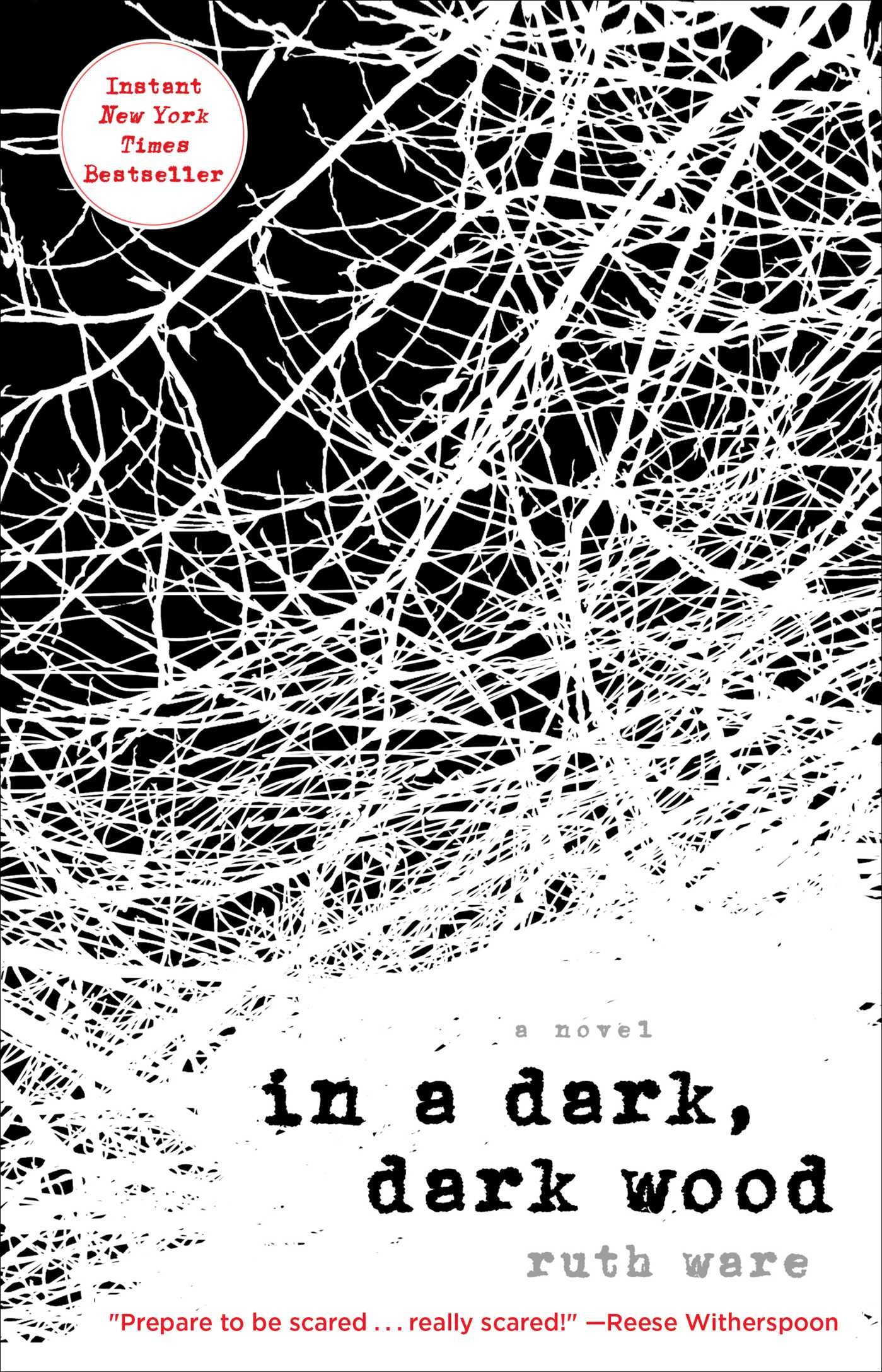
Book Beginning: In a Dark, Dark Wood

BOOK BEGINNINGS ON FRIDAYS

THANKS FOR JOINING ME ON FRIDAYS FOR BOOK BEGINNING FUN!

MY BOOK BEGINNING


It hurts. Everything hurts.

-- In a Dark, Dark Wood by Ruth Ware. Hmmmmm . . . That's not the kind of beginning I usually like. I like my beginnings long and shaggy, not sparse. But you know something bad happened, so it does dump you right into the middle of things.


Please join me every Friday to share the first sentence (or so) of the book you are reading, along with your initial thoughts about the sentence, impressions of the book, or anything else the opener inspires. Please remember to include the title of the book and the author’s name.

EARLY BIRDS & SLOWPOKES: This weekly post goes up Thursday evening for those who like to get their posts up and linked early on. But feel free to add a link all week.

FACEBOOK: Rose City Reader has a Facebook page where I post about new and favorite books, book events, and other bookish tidbits, as well as link to blog posts. I'd love a "Like" on the page! You can go to the page here to Like it. I am happy to Like you back if you have a blog or professional Facebook page, so please leave a comment with a link and I will find you.

TWITTER, ETC: If you are on Twitter, Instagram, Google+, or other social media, please post using the hash tag #BookBeginnings. I try to follow all Book  Beginnings participants on whatever interweb sites you are on, so please let me know if I have missed any and I will catch up.

TIE IN: The Friday 56 hosted by Freda's Voice is a natural tie in with this event and there is a lot of cross over, so many people combine the two. The idea is to post a teaser from page 56 of the book you are reading and share a link to your post. Find details and the Linky for your Friday 56 post on Freda’s Voice.

YOUR BOOK BEGINNING


Thursday, September 7, 2017

Book Beginning: Cork Dork by Bianca Bosker

BOOK BEGINNINGS ON FRIDAYS

THANKS FOR JOINING ME ON FRIDAYS FOR BOOK BEGINNING FUN!

MY BOOK BEGINNING


When you inform your friends and relatives that you have left your stable job as a journalist to stay home and taste wines, you will begin to get concerned phone calls.

-- Cork Dork: A Wine-Fueled Adventure Among the Obsessive Sommeliers, Big Bottle Hunters, and Rogue Scientists Who Taught Me to Live for Taste by Bianca Bosker.

My book club is reading this and we plan to have our own "blind tasting," which will be a total joke.


Please join me every Friday to share the first sentence (or so) of the book you are reading, along with your initial thoughts about the sentence, impressions of the book, or anything else the opener inspires. Please remember to include the title of the book and the author’s name.

EARLY BIRDS & SLOWPOKES: This weekly post goes up Thursday evening for those who like to get their posts up and linked early on. But feel free to add a link all week.

FACEBOOK: Rose City Reader has a Facebook page where I post about new and favorite books, book events, and other bookish tidbits, as well as link to blog posts. I'd love a "Like" on the page! You can go to the page here to Like it. I am happy to Like you back if you have a blog or professional Facebook page, so please leave a comment with a link and I will find you.

TWITTER, ETC: If you are on Twitter, Instagram, Google+, or other social media, please post using the hash tag #BookBeginnings. I try to follow all Book  Beginnings participants on whatever interweb sites you are on, so please let me know if I have missed any and I will catch up.

TIE IN: The Friday 56 hosted by Freda's Voice is a natural tie in with this event and there is a lot of cross over, so many people combine the two. The idea is to post a teaser from page 56 of the book you are reading and share a link to your post. Find details and the Linky for your Friday 56 post on Freda’s Voice.

YOUR BOOK BEGINNING


Wednesday, September 6, 2017

Author Interview: Rajat Mitra


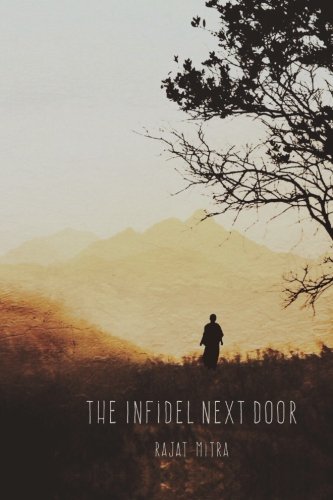
Rajat Mitra is a psychologist in India who works with victims of religious violence. His debut novel, The Infidel Next Door, is set in 1989, during the last exodus of Hindus from Kashmir. It also tells a bigger story about religious identity, personal conscious, and forgiveness.


Rajat recently answered questions for Rose City Reader, including questions about his book, his work, and writing for an international audience.

How did you come to write The Infidel Next Door?

As Charles Dickens once said, it was the best of times and it was the worst of times. In 2011, I had just received an award from United Nations for our work with vulnerable women of India to help them testify in courts for the sexual assault they had suffered. It was also the time when I received criticism that we were highlighting a negative aspect of India in front of world. The policy was "don’t talk, don’t tell." Hide problems and keep them a secret. I refused to do that. The funding for our organization stopped and we were not able to continue with our program. We became ostracized for a while and alienated. Friends who we knew well stopped talking. It was a lonely time for me. I withdrew into a shell. I got a job in faraway Hong Kong and had time on my hands.

During that time while digging up old records, I came across notes I had taken long ago in the refugee camp for Kashmiri people. As I sat through re-reading them, I felt the urge to write a story and conceived a work of fiction around the events that seemed to across my mind like a flashback. Here was the way a race that had struggled for its survival and lost and now had its last hopes on someone telling their story to the world. The world had turned indifferent to them and a race, an entire civilization, was about to die soon. I thought I would write about it.

We shifted to Hong Kong and lived near the woods and mountains. Nature was healing to me and as I sat down near a stream, words came from nowhere and formed scenes, images that I had not thought of before or heard about, that were sometimes a part of a truth I glimpsed and slowly became a chapter and then a book.

What is your work background? Did you draw on your professional experience in writing your novel?

My work background is from psychology and human rights. I hold a PhD in psychology but have primarily worked in communities on social issues. My first place of work was in a therapeutic community for young adults recovering from mental illness. Then it was followed by setting up a program for victims of heinous crimes in the city of New Delhi. It involved a 24/7 psychological support to victims of sexual assault, homicide and terrorism. I also began to testify in courts in cases as an expert witness about victims and crimes against them. In some of the cases my testifying contributed to landmark judgments that paved the way for inclusion of psychological evidence in courts.

After the program closed down, I started to work in a program for human rights defenders facing persecution who live under some of the most repressive regimes. It took me to remote regions of Asia where they were incarcerated and tortured. After my contract was over, I had to come back to India. At present I am working on a program on de-radicalization of Muslim youth who are swayed by terrorist ideology.

I drew upon my professional experiences to write, but realized that most of them are plain observations that came from engaging with people at an equal level. It didn’t require any special skills to draw them out and talk about their innermost experiences that is what I feel. In India people love to talk, trust easily and one doesn’t need to be a professional to draw them out of their shell. Sometimes just empathy and a curiosity to engage with them in order to know what is happening with them is sufficient. The priest who told me how he feels praying knowing his temple was destroyed so many times, the grandfather who tells the story to his grandchild of the martyrdom of Sikh guru, did not do so because I was a psychologist. They did so because I asked them.

How much of the book is based on true, historical events?

Many of the events are true, historical events. The earlier six exoduses of Kashmiri pandits from the valley because they didn’t want to be forced into conversion to Islam is well known. The mosques in Kashmir blared loudly asking all Hindus to convert. The destruction of the holiest temple of Hindus by Aurungzeb, the medieval Muslim emperor, is a historical fact and there exists mosques next to the holiest temple of Hindus.

Indians didn’t keep much written records in medieval times and it was forbidden for many to write history so the method of "shruti" followed as a way of passing on knowledge from generation to generation.

Destruction of temples in Kashmir is also a historical reality. Many destroyed stone temples still bear testimony to the way in which they were burnt by armies in medieval times. The seventh and last exodus that made half a million people run away and reduced the population of Hindus to being nonexistent is also a reminder of their persecution that has been a regular feature of their thousand year old history.

How did you research the historical information and detail found in your book? Did you have access to primary source materials? People to interview?

I researched by reading historical books from as many sources as possible: libraries, archives, and personal collections of books. I also recorded the narratives of many people and picked on material from the oral tradition of the six genocides. At times I felt ambivalence in deciding what to choose, when history and memory collided over the extent of persecution of pandits. While the history was written under the direction of the rulers and seemed coached, their memory had many gaps and needed to be filled up with silent understanding.

I believe truth is often on the side of memory. I also believe it needs to be treaded carefully so as not to disturb the pain it holds. I decided to include memory as an expression of people’s voice.

Who is your intended audience and what do you hope your readers to gain from the book?

I believe the intended audience of the book is those people who believe in religious tolerance, interfaith healing, and forgiveness. Those who want to understand Hinduism and Islam will get an understanding of the two religions, their conflicts, and how they deal with their respective adherents.
It is also a bildungsroman novel -- that is, a coming of age novel for Hindu and Muslim boys and how they are shaped by their religious indoctrination and respective societies. All those who want to understand how boys and girls come of age in Asia will find it worth reading.

Lastly, my book is an unusual love story, one between a Hindu priest and a Muslim imam’s daughter, Zeba. They both understand the chains that bind them and know that breaking that would bring shame for their families. Zeba’s dilemma shows the extent to which Islam controls women’s lives and why religion is so much against love.

The book has been read by diverse people including scholars of genocide, psychiatrists, professors from various universities, human rights activists.

In the initial stages of the book, when the manuscript was ready, I gave it to an editor for assessment. She found it difficult to go on reading it after the middle and shared feeling increasingly uncomfortable with its theme and content. She felt it was affecting her personally and she wanted to stop. On my suggestion, she stopped and later on her own came back to reading it, and at the end shared a feeling of peace and calmness as the story ended. She said two things about the book that stayed with me. One is that this book will not be an easy read for many in India and elsewhere. That it will raise awareness on what harm and violence religion can unleash and how human conscience and compassion can transcend bigotry. She described it as the book that has affected her the most in a long time and there is nothing similar of its kind that she has ever read.

Can you recommend any other books or resources about story of Hindus in Kashmir?

Rajatarangini by Kalhana, Our Moon has Blood Clots by Rahul Pandita, and Siddhartha by Herman Hesse.

What do you hope your book says about overcoming religious persecution and intolerance in general?

Religious persecution is a sensitive subject in Indian subcontinent and one of the least talked about at the same time. Hindus were ruled by Muslims for eight hundred years and the British ruled both for two hundred years. Muslims forcing Hindus to convert remains an unresolved issue for most Hindus. The white missionaries persecuted Tribals to give up their animistic faith to become Christians which the church vehemently denies. In 1947 India was divided along religious identities that saw millions of murders. After 1947 there have been numerous riots between the two religions.

My book is written with the aim that it will start the healing process that all the above forces have left behind so that the future generations do not carry this burden.

My book talks of religious persecution from the point of view of the victims who went through it and how it is a trans-generational trauma that is passed on to their future generations. It talks of the grief they carry inside and the how their psyche has been scarred. I also talk of the trauma from the point of view of persecutors and show how alike the two are behind all that layers that mask their inner selves. When they discover that they feel a bond between themselves that transcends many a barrier they had set up between themselves.

Lastly, Hindu religion has faced religious persecution over centuries and still many adherents face it who are asked to convert or leave. The population of Hindus in many countries have become extinct. In Pakistan and Bangladesh their numbers have gone down sharply. Yet they haven’t turned violent and vengeful towards other religions.

Religious persecution gives us very little choice. It is either convert or die. Overcoming it is not easy. One has to pay with one’s life or honor. Yet there are people who have made that choice time and again and have shown a rare courage that is largely undocumented.

What did you learn from writing the book – either about the subject of the book or writing the process – that most surprised you?

My writing process as a psychologist was a straight forward one, a clinical one to explain behavior in as few terms as possible and include to briefly describe the personalities of the people who did it. It was one dimensional and didn’t reflect the inner conflicts, the dynamics of the persons who were going through the conflict.

It was not easy for me to turn into writing like an author. The entire thinking process for an author is different as you think of characters that are imaginary and conceive of dialogues that they may speak.
I was dealing with many sensitive themes and had to express the emotions of the characters truthfully and honestly. As I realized many emotions, complexes were coming from within me that I was not aware of, I had to often sit back for hours and imagine if this would be true of the character.

But what surprised me most about the writing process is that how much it makes you observe critically things around you, how much it makes you political and become fearless about who you are. One no longer remains apolitical as an author and takes a stand that espouses a position about who you are and what do you think the world is doing. I no longer see feelings as linked to ones’ inner belief but tied up with injustice and denial of human rights.

Who are your three (or four or five) favorite authors? Is your own writing influenced by who you read?

My favorite authors are many but if I were to select a few in fiction it would be Khaled Hosseini, Chinua Achebe, Herman Hesse, Gunter Grass, and Saadat Manto, an Indian writer. In non-fiction it would be Dr. Bhimrao Ambedkar, Ayan Hirsi Ali, Joseph Campbell, and Rabindranath Tagore.

My thinking is influenced by who I read, not my writing, at least that is what I believe.

What next? What project are you working on?

I am working on my next project, a book on the freedom struggle of India and the role of the armed revolutionaries in creating scare within the British. It is another novel and focuses on three families whose lives are intertwined.

THANKS RAJAT!

THE INFIDEL NEXT DOOR IS AVAILABLE ON LINE!


Related Posts Plugin for WordPress, Blogger...