Wednesday, August 14, 2019

Author Interview: Wendy Thomas Russell


Author and publisher Wendy Thomas Russell wrote ParentShift with Linda and Ty Hatfield, founders of Parenting from the Heart. Their book offers a new way to raise resilient, confident, and kind children.


Wendy recently talked with Rose City Reader about her new book, parenting, and universal truths about children:

What is the “shift” in the title of your book, ParentShift: Ten Universal Truths that Will Change the Way You Raise Your Kids?

It’s a paradigm shift.

In America, most parents fall into one of two categories: Controlling or permissive. Controlling parents tend to set loads of limits, place unreasonably high expectations on their kids, and fail to demonstrate enough empathy with children. Permissive parents, on the other hand, can be empathetic to a fault — treating their children’s problems as their own. They also expect far too little of children and tend to be weak limit- and boundary-setters.

Our book offers a third and wholly distinct parenting style: heart-centered. These parents set strong limits and boundaries, know how to genuinely empathize with their kids, and have high and reasonable expectations of them — all of which is associated with children who are kind, confident, compassionate, capable, resilient, and healthy.

Unfortunately, most adults were not raised in a heart-centered way, which is why it requires a paradigm shift.

Tell us a little about Linda and Ty Hatfield, and how you came to collaborate with them.

Linda is an educator by trade, and her husband, Ty, is a police lieutenant. Twenty years ago, they put their heads together and created an incredible program called Parenting from the Heart — a program based on all they had learned in in their years of study and experience. I met Ty when I was working for the Long Beach Press-Telegram as an investigative reporter in the early 2000s. After I gave birth to my daughter, he told me about a class and, eventually, my husband and I decided to take it ourselves. Seven years later, we decided to collaborate on the book.

Why did you write ParentShift?

When my daughter was in preschool, I began to encounter problems that I wasn’t sure how to solve. Our usual bag of tricks suddenly seemed insufficient. That’s why we chose to take Ty and Linda’s class. The class changed our lives. It made us better parents. It made us better spouses. It made us better people. As a writer, it’s hard to have a life-changing experience and not write about it. And, as it turned out, Ty and Linda always had wanted to turn their program into a book but needed a professional writer to do it. It was a no-brainer.

Your book is structured as a practical guidebook. How do you hope people will use it?

I hope people will see the book as the comprehensive guide that it is. This is not a book aimed at solving one particular kind of problem or navigating one particular age group. ParentShift aims to help parents identify and address virtually any challenge at any age. I hope people will read to the end and then refer back to it for years to come.

What is your professional background and how did it lead to you writing a book about parenting?

I fell into this genre quite by accident! I spent fifteen years in newspapers and when I left, I wrote a couple of books for the Girl Scouts before starting work on a novel. It was during that time that I started a blog about secular parenting, specifically about navigating the thornier issues — like talks about death without heaven and what to do when someone tells your child she’s going to go to hell. The blog, which eventually moved to the Patheos network under the name “Natural Wonderers,” was based on personal experience, as well as interviews I conducted with various experts. The blog became my first parenting book, Relax, It’s Just God: How and Why to Talk To Your Kids About Religion When You’re Not Religious (Brown Paper Press, 2015). ParentShift is my second and, most likely, my last. I’ve said just about everything I need to say on this subject!

Who do you hope will read your book?

It’s tempting to say everyone, because, frankly, much of the book’s advice can be applied partners, parents, co-workers, employees, friends, you name it. But, more realistically, our audience is parents, grandparents, caregivers, and teachers of children around age three to five. That’s when most parents start noticing that their old reliable techniques are starting to break down and — like me — turn to books, blogs and other parents for advice.

What makes your book different than other books about raising children?

This is going to sound self-serving, but I truly believe it: Ours is the most comprehensive, down-to-earth, actionable, and forward-thinking parenting book on the market. ParentShift provides detailed advice, true stories, unbiased research, and a modern sensibility. And because we have a sense of humor and a plain-spoken style, it’s fun to read.

What will readers learn from your book?

All children, regardless of their culture or background or socio-economic status, are driven by ten universal truths. These truths are things like “All children have emotional needs,” “All children have innate, neurological responses to stress,” “All children model their primary caregivers,” and “All children go through developmental stages.” These truths account for the vast majority of children’s behavior — whether it’s the tantrum of a toddler, the snarkiness of a nine-year-old, or the sullenness of a teenager. The thing is, it’s not always obvious which “truths” are at work at any given time. In ParentShift, readers will learn how to locate the underlying cause of a child’s behavior so that they can choose a heart-centered course of action appropriate for that situation.

In addition, parents will learn how to set consistent, reasonable limits and boundaries; curtail power struggles; minimize sibling rivalry; respond to outbursts without losing their tempers; create effective chore systems; prepare children to meet life’s challenges on their own; and build open, trusting relationships that keep kids turning to parents for guidance well into the teenage years.

Can you recommend other tools, books, or resources to parents figuring out how to raise their kids?

I recommend Your Child’s Self-Esteem by Dorothy Corkille Briggs, How to Talk So Kids Will Listen & Listen So Kids Will Talk by Adele Faber and Elaine Mazlish, Hold On to Your Kids by Gordon Neufeld and Gabor Maté, Punished by Rewards by Alfie Kohn, PET: Parent Effectiveness Training by Thomas Gordon, Raising Our Children, Raising Ourselves by Naomi Aldort, and Between Parent & Child by Haim Ginott. And for a better look into the great, wide, expanding world of brain science, check out almost anything by Daniel J. Siegel and Tina Payne Bryson.

What else would you like people to know about your book or your approach to raising kids?

This book is not about being a “perfect” parent, whatever the hell that is. We’ve all come to parenting with our own baggage, neurosis, flaws, and failures. That’s okay. We don’t ask or expect adults to nail every interaction they have with kids. Parenting is rarely a straight shot. That said, an awful lot of parents are on a path that doesn’t line up with their own goals. They are sabotaging themselves and don’t even know it. Once parents have the knowledge, their own issues and idiosyncrasies no longer threaten to torpedo the kid’s self-esteem or damage the superbly important parent-child relationship. Because when they make mistakes — which they’ll no doubt do — they’ll know how to get back on track.

THANKS WENDY!

PARENTSHIFT IS AVAILABLE ONLINE, OR ASK YOUR LOCAL BOOK SELLER TO ORDER IT. 


Monday, August 12, 2019

Mailbox Monday: Priests and Bunnies

I got two books last week, and they could not be more different.


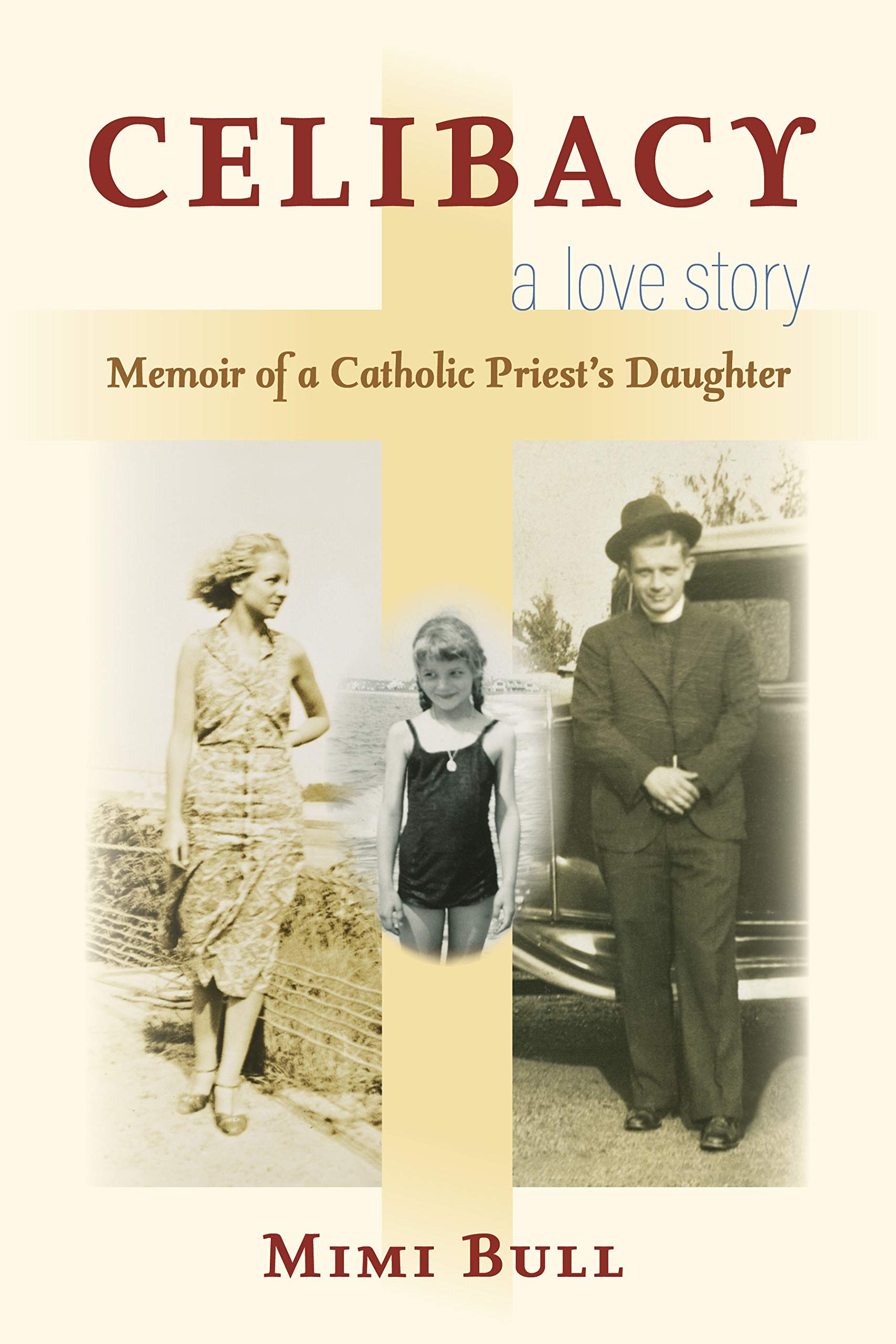
Celibacy, A Love Story: Memoir of a Catholic Priest's Daughter by Mimi Bull. This daughter of a Catholic priest kept her story private until she was in her 80s. When she came forward in a 2017 Boston Globe story, she was the oldest of any of the Catholic priest children to go public.

I am riveted by this new memoir, set to release October 3. Because of my work with survivors of Catholic sexual abuse, I've heard loud whispers about the parallel scandal of priests having sexual relationships with adult women and fathering children with them. These children -- whom the priests could not acknowledge -- were raised without their real fathers and often without fathers at all. It's time this story got attention.


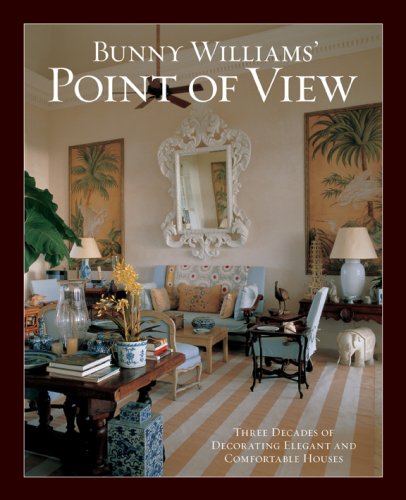
Bunny Williams' Point of View by Bunny Williams. I love Bunny Williams' An Affair with a House book so much, I want to get her other books. This is my start.


What books came into your house last week?


Thanks for joining me for Mailbox Monday, a weekly "show & tell" blog event where participants share the books they acquired the week before. Visit the Mailbox Monday website to find links to all the participants' posts and read more about Books that Caught our Eye.

Mailbox Monday is graciously hosted by Leslie of Under My Apple Tree, Serena of Savvy Verse & Wit, and Martha of Reviews by Martha's Bookshelf.

Sunday, August 11, 2019

Five Faves: Authors I'd Like to Meet


FIVE FAVE AUTHORS I'D LIKE TO MEET

My Five Faves today are five favorite authors instead of particular books. I was inspired by a couple of related hashtag posts on Instagram: #5authorsforcoffee and #FiveAuthorsIWouldLikeToMeet. As with all such "who would you most like to meet" questions, the writers can be living or dead. It's not like I'm really going to meet up for dinner with any of them except in my head.

These are the five authors I would like to meet, for a cup of coffee, a glass of wine, or at least a good long chat, with a little explanation for each. The links go to my post for each author, with a list of their books, with the exception of Erica Jong. That link goes to her list of Top 100 Novels by Women.


  • KINGSLEY AMIS: Amis is at the top of my list not only because his name starts with A but because, push comes to shove, if I had to name my very favorite author, it would be him. He wrote a lot of books, dabbled with many genres (literary fiction primarily, but nonfiction, criticism, poetry, murder mystery, sci-fi, spy, and grammar), was consistently funny, and told a good story. He delivers for me. He was a notorious drunk, the father of Martin Amis, the friend of poet Philip Larkin. I'd love to go for drinks with Sir Kingsley.
  • JIM HARRISON: Harrison is a close second when it comes to my all-time favorites and could beat out Amis on any given day. Harrison also wrote fiction, nonfiction, and poetry. The Road Home is my favorite of his books. Harrison was also an interesting character, living mostly in Michigan then Montana in his older years, appreciating food, drink, and women, battling some personal demons. Anthony Bourdain did an episode of his Parts Unknown show in Montana with Jim Harrison. That and Harrison's excellent book The Raw and the Cooked are as close as I'll ever get to sharing a drink with Harrison.
  • P. D. JAMES: I love James's Adam Dalgliesh mystery series. Each one takes place in a closed community, like a hospital, church,  publishing house, or Inns of Court. She did a meticulous job at creating those worlds so the books are not repetitive. The characters are dark and troubled, so there is heft to the stories without being too scary to read. Her other books are also very good. The Children of Men is my favorite alt-history book, not the least because of the kittens! She was a lifetime Peer and served in the House of Lords from 1991 until her death in 2014. I'd like to have tea with Lady James and learn more about her.
  • ERICA JONG: I may not live like Jong's heroine Isadora Wing, but Jong touches a chord with me. Many chords, and often at just the right time. As mentioned above, she also compiled a list of Top 100 20th Century Novels by Women, back at the turn of the Millennium when Top 100 books lists were big. Her list is excellent and I've found many new-to-me authors and books because of it. I am a wholehearted fan and would love to split a bottle of wine with Erica Jong.
  • P. G. WODEHOUSE: People either think Wodehouse is a comic genius or an anachronism. I'm in the first camp. His wordplay is incomparable. I prefer to read his books with my ears to appreciate the language, but I will read them any way I can to get through them all. I always have a Wodehouse book going. I'd love to meet Plum for a chat out in the Hamptons and see if he is as funny and charming in real life as he was in his books. 
I have a shorter version of this post on my Instagram feed. Please visit me there. If you are on IG, let me know. I'd love to find you! And feel free to post your own list of the five authors you would like to meet, on your blog, on Instagram, or both. Let me know if you do so I can find it.

FIVE FAVES

There are times when a full-sized book list is just too much; when the Top 100, a Big Read, or all the Prize winners seem like too daunting an effort. That's when a short little list of books (or authors) grouped by theme may be just the ticket.

Inspired by Nancy Pearl's "Companion Reads" chapter in Book Lust – themed clusters of books on subjects as diverse as Bigfoot and Vietnam – I decided to start occasionally posting lists of five books grouped by topic or theme. I call these posts my Five Faves.

Feel free to grab the button and play along. Use today's theme or come up with your own. If you post about it, please link back to here and leave the link to your post in a comment. If you want to participate but don't have a blog or don't feel like posting, please share your list in a comment.

Saturday, August 10, 2019

Author Interview: Marlena Maduro Baraf


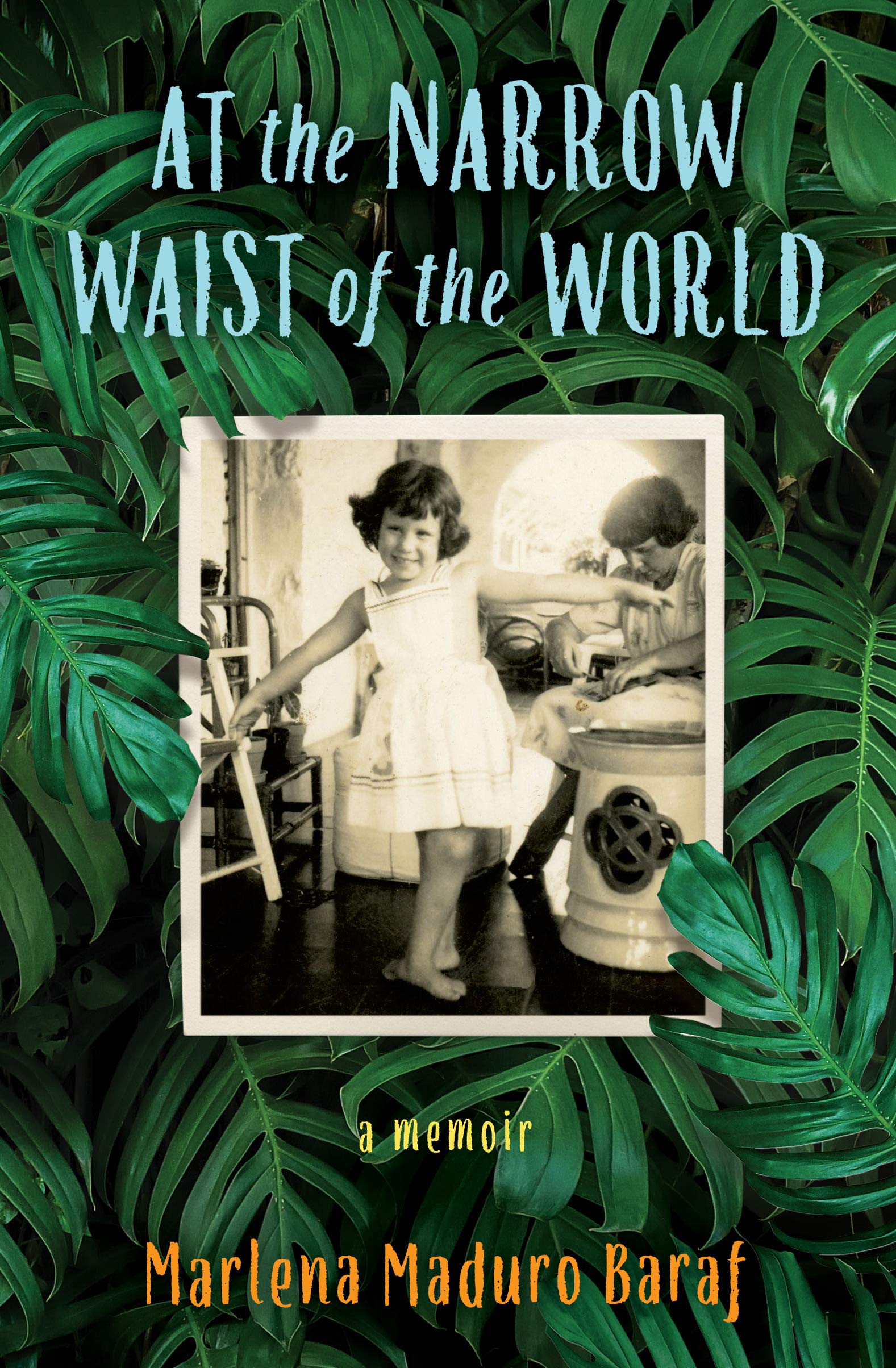
Marlena Maduro Baraf grew up in a large, extended Jewish family in Catholic Panama of the 1950s and 1960s, then moved to the US in her late teens. Her new memoir, At the Narrow Waist of the World, explores how community and families of any size have incredible power to sustain young people.


Marlena recently talked with Rose City Reader about immigrating, her favorite books, and her new memoir:

Your memoir tells about your childhood among an extended Jewish family in Catholic Panama. What was it like growing up in with such a mixed cultural heritage?

I was very secure within my own community of Spanish-Portuguese Jews who had been in the country for several generations (since the mid-1800s). We were well assimilated in the culture and worked and socialized with other Panamanians. My friends were my cousins and the Catholic girls with whom I went to school, a nun’s school. There weren’t alternatives then. There were some instances where the teachings of the Catholic church did bubble up and I got stung, the teaching which was prevalent then that Jews killed Christ. Even so, living both cultural traditions from the inside, almost, was formative for me. It gave me tremendous perspective about our shared humanity and I am grateful for that.

How did you come to write At the Narrow Waist of the World?

There was an unresolved issue with my mother, from childhood. A sense of not being loved by her. Once I began writing one scene from the past, the rest poured out. It was predestined that I would write this book. Equally important, I was at a stage in my life where after 50 years of being in this country I felt a longing for my childhood home of Panama, the sensory details, feelings and memories that reside in the past. So writing this story also brought me a lot of joy.

Why did you leave Panama and make your home in the United States?

Ah. I don’t have an absolute answer to this. I’ve always been a curious person and always needing to understand. I think I wanted to be independent of my enormous (loving) family and discover things for myself. A bigger playing field, as they say. I think more immigrants than not come to this country (or any other country) for this reason. I also felt hemmed in by women’s lives then in Panama. Comfortable among the people I knew, but boring. The interesting people to me were the men.

Your book talks honestly about your mother’s mental illness. How did her illness effect you when you were growing up?

In situations like this, I think most young people find a way to shrink themselves. You lose confidence if your parent is so overwhelmed by their illness that they can’t see you. The situation also gives you an opportunity to be strong. You find a way to be. I think I felt both diminished but in the end it made me very strong and able to tolerate difficulties later in life.

What did you learn from writing your book – either about the subject matter or the writing process – that most surprised you?

I learned that my mother was an ordinary human and pretty wonderful in spite of the challenges in her life. As an adult and with a safety net of loving family here, I was able to see her in a new way. Writing the book put the hobgoblins to bed (safely).

As to writing—I discovered that I love to write and that I must write.

Are there other memoirs that you love or inspired you to write your own?

I love especially works by Hispanics writers in this country, like Julia Alvarez (How the Garcia Girls Lost Their Accents), Maria Arana (American Chica). Absolutely anything by the magnificent Annie Dillard who wrote many books and what is now the classic, An American Childhood. Anything by the memoirist Abigail Thomas. I love books that play with form. I read constantly.

Who are your three (or four or five) favorite authors? Is your own writing influenced by the authors you read?

I listed some above, but can add: George Saunders (Lincoln and the Bardo), W.G Sebals (Austerlitz), Nathan Englander (anything). You must read to feed the creative beast.

What kind of books do you like to read? What are you reading now?

I am about to start On Earth We’re Briefly Gorgeous by Ocean Vuong, a Vietnamese American poet who just published this his first novel.

You have a terrific website and are also active on Facebook, twitter, and Instagram. From an author's perspective, how important is social media to promote your book? 

I don’t really know the answer. I do like FB and keeping in touch with people and having an audience for short bits which I enjoy writing. I think FB has helped me build an audience within a limited world. I’ve never really figured out Twitter which is too big a party. I like Instagram because I like visuals very much. I’m a designer in my other life.

Do you have any events coming up to promote your book?

Yes, I have a conversation with a moderator and four other authors at the Bryant Park Reading Room in NYC. Wednesday, August 21, 2019 at 12:30 p.m.

There is a book launch/celebration at the Barnes & Noble Eastchester store in Westchester, NY. Sunday, September 15, 2019 at 4 p.m. All are welcome!

What is the most valuable advice you’ve been given as an author?

Write every day if you can.

What is the best thing about being a writer?

Writing.

What’s next? What are you working on now?

I am continuing to interview Hispanics/Latinos/Latinx on my Breathing in Spanish blog. I am considering ideas on how to expand this.


THANK YOU MARLENA!

AT THE NARROW WAIST OF THE WORLD IS AVAILABLE ONLINE, OR ASK YOUR LOCAL BOOK SELLER TO ORDER IT. 


Thursday, August 8, 2019

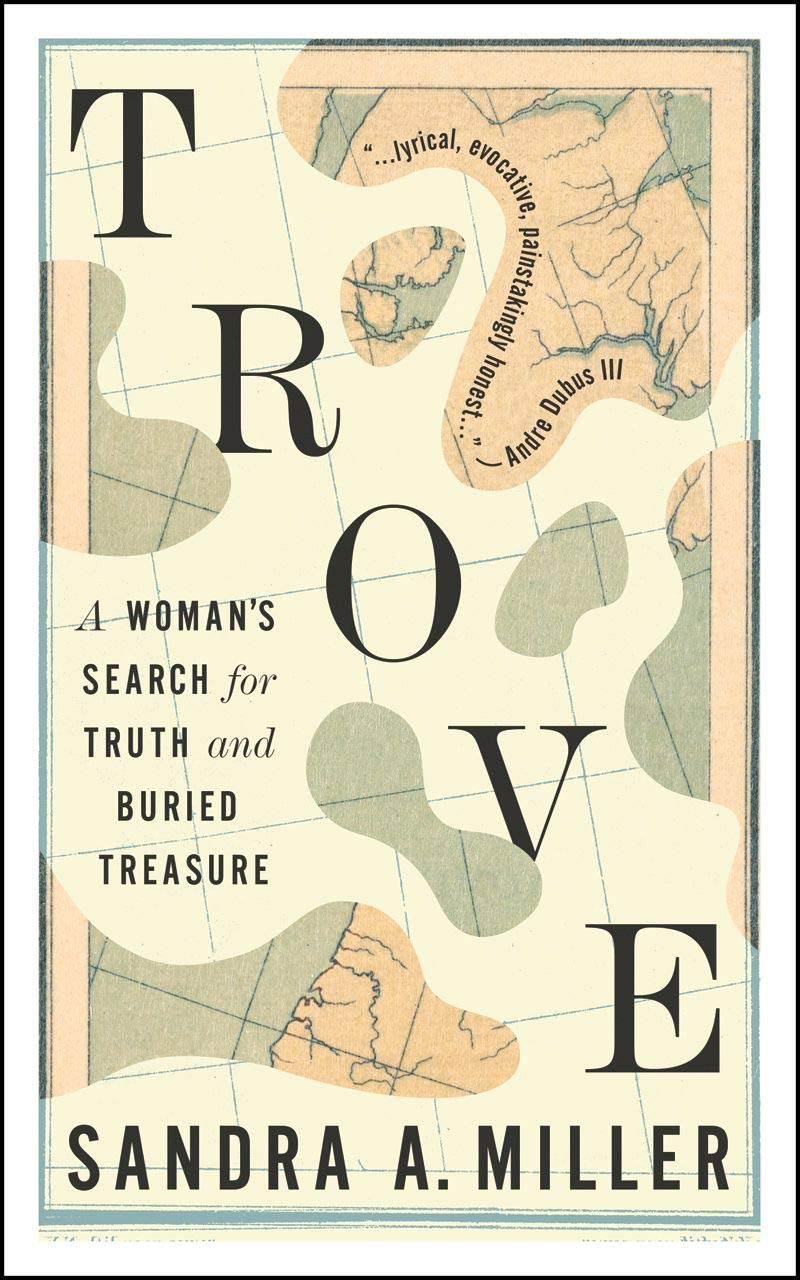
Book Beginning: Trove: A Woman's Search for Truth and Buried Treasure by Sandra A. Miller

BOOK BEGINNINGS ON FRIDAYS
THANKS FOR JOINING ME ON FRIDAYS FOR BOOK BEGINNING FUN!

MY BOOK BEGINNING


"We should probably search together," my friend David suggested, "until we have a reason not to."

-- Trove: A Woman's Search for Truth and Buried Treasure by Sandra A. Miller. This memoir starts with an armchair treasure hunt for gold coins buried in New York City, but like all good memoirs, delves much deeper.


Please join me every Friday to share the first sentence (or so) of the book you are reading, along with your initial thoughts about the sentence, impressions of the book, or anything else the opener inspires. Please remember to include the title of the book and the author’s name.

EARLY BIRDS & SLOWPOKES: This weekly post goes up Thursday evening for those who like to get their posts up and linked early on. But feel free to add a link all week.

SOCIAL MEDIA: If you are on Twitter, Instagram, or other social media, please post using the hash tag #BookBeginnings. I try to follow all Book Beginnings participants on whatever interweb sites you are on, so please let me know if I have missed any and I will catch up.

YOUR BOOK BEGINNING


TIE IN: The Friday 56 hosted by Freda's Voice is a natural tie in with this event and there is a lot of cross over, so many people combine the two. The idea is to post a teaser from page 56 of the book you are reading and share a link to your post. Find details and the Linky for your Friday 56 post on Freda’s Voice.


MY FRIDAY 56

I stuffed the photos back in the envelope then placed it carefully in the trunk. That’s when I saw something else tucked into the far corner and lifted out a slender book with a blue cardboard cover: All Services Polyglot Diary.


Wednesday, August 7, 2019

Author Interview: Judy Nedry


Judy Nedry's latest book is a moody mystery set in the Columbia River Gorge of the Pacific Northwest. Blackthorn is a stand alone books, a break from Nedry's Emma Golden series.


Judy recently talked with Rose City Reader about her new book and other pursuits, including an event this weekend for those in the Portland area:

You describe your new book Blackthorn as a “gothic thriller.” What do you mean?

 A lonely, damaged young woman in a great house (in this case, a derelict hotel and barely functioning spa). There is the mystery of her dead brother, sinister goings on, the question of who to trust, and an aura of general creepiness. I was inspired by classic gothics like Jane Eyre and Wuthering Heights, Daphne du Maurier’s Jamaica Inn and Stephen King’s The Shining, as well as many other elements from du Maurier’s legacy of wonderful mysteries including Rebecca and My Cousin Rachel.

What part does the Columbia River Gorge setting play in your story? 

I had to write a story set in the Columbia River Gorge. I’ve known that for 40 years. To me, the Gorge is a place that is beyond beautiful, as well as mystical and moody. It’s sacred ground, with Indian fishing villages covered by The Dalles Dam and others, Indian legends of the creation of Wy’east (Mt. Hood) and the other mountains surrounding it. It is such a rich location on so many levels that I find it irresistible.

Blackthorn is a break from your Emma Golden mystery series. Why the break and will we see Emma again? 

Emma will return, chastened and a little wiser, in Book #4. The break from the series occurred because I finally had enough ammunition to write Blackthorn, both in terms of research and writing skill. I have always wanted to write a gothic. This was a huge departure for me, and I feel happy with the result.

What did you learn from writing this stand alone mystery – either about the subject of the book or the writing process – that most surprised you? 

I was surprised at how I was able to dredge up memories from my own life—rodeos, salting the birds’ tails, building forts in the woods, stuff of the senses—and apply them in meaningful ways in the story. They came to me almost effortlessly and contributed layers to Sage’s character. I was surprised that I loved writing in third person. I’ll definitely do that again, which means there will be more stand alones. I learned that Sage’s story doesn’t need to continue. I am very satisfied with where I left her in her life. And I love writing a series because I enjoy reading them.

Did you start with the end of the mystery in mind and work backwards? Or did the ending come to you as you wrote the story? 

I begin my novels with a vague idea of an ending. I know who dunnit, and that helps me stay focused and build the story to its end. However, the specifics of endings are elusive, and they are something I have struggled with in all my books. I write up to the ending, then mess around and get myself all worked up about HOW TO FINISH THE DAMN BOOK. It takes weeks sometimes. Fortunately, during that time, there is plenty to do. I’m rewriting and further developing what I’ve already written to that point, working on design issues, and all the other stuff an indie writer has to deal with. Then, finally, resolution! The ending is always the very last thing.

Who are your three (or four or five) favorite authors? Is your own writing influenced by the authors you read? 

Daphne du Maurier was one of my all-time favorites. I read everything she’s written at least twice, and reread Jamaica Inn as I was writing Blackthorn. She is with me in everything I write. Stephen King is a great storyteller. I read all his early books and short story collections and listened to It last summer. Every writer can learn just from listening to the way King builds scenes, how every detail is thought of to wring the most drama out of a situation, how the dialog works, how all his characters stay in character.

Winston Graham (Marnie, The Poldark Series) was a huge inspiration. P.D. James was a master of setting and psychology and great mysteries. Elizabeth George’s Lynley series for setting and psychology. Plus her Sgt. Barbara Havers is one of the great creations of crime fiction, and always ALWAYS is good for a long, hard laugh. Tana French—everything she’s written to date. These writers deliver literary fiction as well as fine mysteries. I loved Sue Grafton and like to think of Emma Golden as an older version of Kinsey Milhone. New-to-me mystery writers like Jane Harper, Candice Fox, and Attica Locke have been exciting discoveries.

What are you reading now? 

Charcoal Joe by Walter Mosley, another of my favorite mystery writers.

You are also doing Oregon theater reviews. Tell us about that project.

I started writing play reviews to stay sane. I wrote some for my blog, then pitched them to local theatres. It’s a love affair that began in my freshman year in college when I volunteered at the Whitman College drama department. I love being around people who are a bit edgy, so these folks feel like my tribe. Courage, talent, quirkiness, creativity, and CRAZY HARD WORK—and then, showtime. It’s magic. For me, it’s a break from fiction, a discipline, and fun.

You have a terrific website and are active on social media, like twitter and facebook. From an author's perspective, how important are social networking sites and other internet resources to promote your book?

They are all very important. An author must have a website. The one I have now allows access to my blogs, excerpts from all the novels, and a resource for purchasing signed copies of all my books, plus play reviews, and upcoming events. Facebook and twitter are fun, interactive, and a fantastic way to get the word out on short notice. A few years ago these tools didn’t exist!

Do you have any events coming up to promote your book? 

I will be at the Oregon City Festival of the Arts on August 10 from 10 a.m.-1 p.m. with all of my books. I’m part of the Northwest Independent Writers Association and will be manning their booth. It’s a great place for people to meet and visit with writers in a number of genres, so come on out. Also, on Tuesday, October 15, I will give a book talk at the Lake Oswego Public Library at 7 p.m. More to come: check my website.

What’s next? Are you working on your next book? 

I just finished five days of research in Central Oregon for a new mystery. Haven’t decided if it will be Emma #5 or a stand alone. Emma #4 is alive and well in my brain, but no words to paper yet. The ideas are marinating. It’s been a pretty intense six months due to a number of things—not the least of which launching and marketing a new book—so the plan is to regroup during the Dog Days of August and then hit the ground running in September.

THANKS JUDY!

BLACKTHORN IS AVAILABLE ONLINE OR ASK YOUR LOCAL BOOK SELLER TO ORDER IT!


Tuesday, August 6, 2019

Teaser Tuesday: Artificial Intelligence: Rise of the Lightspeed Learners by Charles Jennings


Personally, I'm less concerned in the short term about doing battle with self-controlled AIs then I am about defending against bad guys who have powerful AIs at their command, particularly Machiavellian dictators of rogue nations. Long before we have sentient, malevolent androids at the gates, dictators will be weaponizing AI for war.

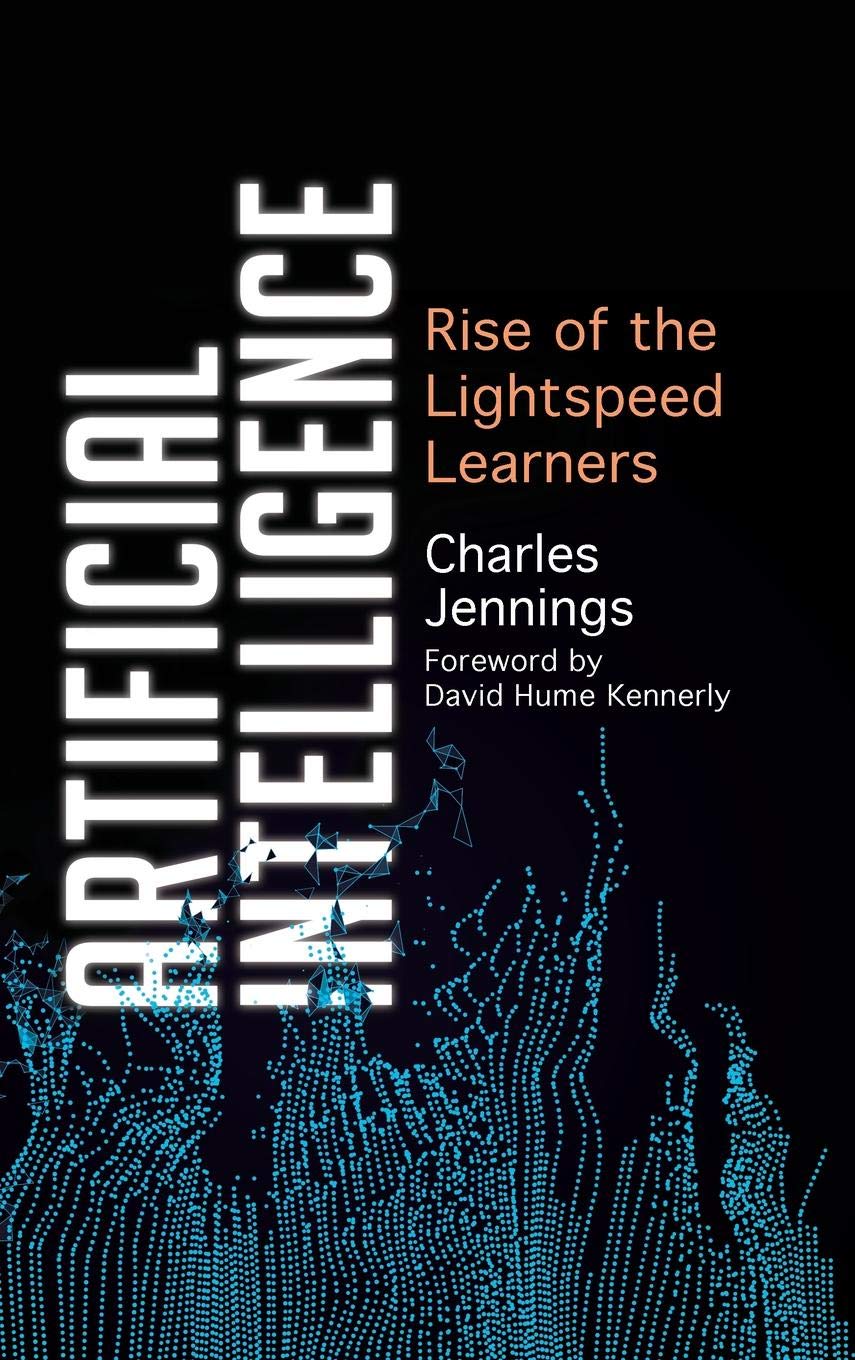
Artificial Intelligence: Rise of the Lightspeed Learners by Charles Jennings. AIs are self-learning machines with artificial intelligence. This new book about is a quick and easy primer on AI and its key issues.


Teaser Tuesdays is hosted by The Purple Booker, where you can find the official rules for this weekly event.

Monday, August 5, 2019

Mailbox Monday: Shrug by Lisa Braver Moss

I'm excited to have a sneak peek at a new novel scheduled to drop August 13.


Shrug by Lisa Braver Moss. Set during the social upheaval of 1960s Berkeley, Shrug is the story of a teenage girl's quiet rebellion against her abusive father.

What books came into your house last week?


Thanks for joining me for Mailbox Monday, a weekly "show & tell" blog event where participants share the books they acquired the week before. Visit the Mailbox Monday website to find links to all the participants' posts and read more about Books that Caught our Eye.

Mailbox Monday is graciously hosted by Leslie of Under My Apple Tree, Serena of Savvy Verse & Wit, and Martha of Reviews by Martha's Bookshelf.

Saturday, August 3, 2019

Author Interview: Charles Jennings


Entrepreneur and author Charles Jennings wants to help non-techies understand artificial intelligence (AI). His new book, Artificial Intelligence: Rise of the Lightspeed Learners is a short and fascinating introduction to how AI affects our lives today and what's in store for the future.


Charles recently talked with Rose City Reader about AI, his new book, and strategies for controlling this brave new technology.

Can you explain for those not in the field what Artificial Intelligence is and what you mean by “Lightspeed Learners”?

Artificial Intelligence, now generally known as AI, is self-learning software. Which means, basically, it has a mind of its own. (The term “artificial intelligence” emerged at a 1956 conference and stuck, but the more you discover about it, the more you realize there is nothing artificial about this intelligence.)

According to Stephen Hawking, Bill Gates, Elon Musk, Sam Harris, Internet inventor Vint Cerf and many other contemporary high-tech thinkers, AI is the most important technology in human history. Think of AIs as a new intelligent species that has just popped up in our ecosystem. Like dolphins or orangutans, only smarter.

I coined the term Lightspeed Learners to highlight what is both most unique and most important about AIs: they leverage our massively connected global infrastructure to learn very, very quickly. Today, this learning occurs inside narrow swim lanes; tomorrow, who knows?

What is your work background? How did it lead you to writing your book?

I’ve been both an entrepreneur and a writer all my life. In 1992, I started my first tech company, which in 1999 had a welcome IPO; in 2014, I started my (probably) last company, an AI startup partnered with Caltech/JPL. What I learned, 2014–17 as a CEO in the AI industry, made me want to sound alarm bells. Hence this book.

Why did you write Artificial Intelligence: Rise of the Lightspeed Learners?

First, speaking as a writer, AI is a great story. So it’s fun to write about. Second, I’m convinced that the more Americans know and understand about AI, the better. So I gave myself the challenge of explaining AI through stories, and by examining AI’s big existential questions at the level of a good Trevor Noah Show.

Who is the audience for your book?

Book readers and audiobook listeners who like good stories, are curious in general, care about the future of humanity, and are not afraid of a few basic tech terms.

What do you think is the best thing AI will bring to our future?

A deeper appreciation of what it means to be human.

What is the biggest risk AI poses for our future?

Short term, AI war. We need an International Atomic Energy Commission type treaty between U.S. and China on AI yesterday, controlling the use of AI by warfighters. Longer term—say by 2030—AIs will literally be beyond human control. The threat won’t be Skynet. It’ll be the electric grid with an AI brain who, in a crisis, takes matters into its own hands. We’ll need sophisticated international AI control strategies by 2030—which means we need to start working now!

Can you recommend additional books or resources for people who want to learn more about AI?

We’re in the midst now of a massive AI information tsunami. If you read nothing else on AI in the next year, read the first 60 pages of MIT professor Max Tegmark’s book, Life 3.0. To learn more about AI science and technology, there is no better source than any Andrew Ng video on YouTube (Stanford professor and founder of Google Brain). And Elon Musk on AI is always worth a listen.

What did you learn from writing your book that most surprised you?

Great question…easy answer. While researching the book, I came across a scientific paper signed by 51 legitimate AI scientific researchers, most working in big tech companies, asserting that the most common result of AI research is surprise. AIs doing the unexpected, solving problems well outside the box. I write about this paper extensively in Chapter 3 of my book.

What’s next for you?

I’m promoting my audiobook, which I think is better than the print version, frankly; and writing op eds and blog posts on the role of AI in society—with a special focus on the 2020 election.


THANKS CHARLES!

ARTIFICIAL INTELLIGENCE: RISE OF THE LIGHTSPEED LEARNERS IS AVAILABLE ONLINE IN PRINT, KINDLE, OR AUDIOBOOK, OR ASK YOUR LOCAL BOOK SELLER TO ORDER IT. 


Thursday, August 1, 2019

Book Beginnings: At the Narrow Waist of the World: A Memoir by Marlena Maduro Baraf

BOOK BEGINNINGS ON FRIDAYS
THANKS FOR JOINING ME ON FRIDAYS FOR BOOK BEGINNING FUN!

MY BOOK BEGINNING


In the 1950s the country of Panama was small – about 750,000 people. We lived in the capital city and knew everyone who was white and the people surrounding our lives who were darker, un café-con-leche mix tipico de Panama.

-- At the Narrow Waist of the World: A Memoir by Marlena Maduro Baraf. Marlena grew up in a large, extended Jewish family in Catholic Panama of the 1950s and 1060s, then moved to the US in her late teens.


Please join me every Friday to share the first sentence (or so) of the book you are reading, along with your initial thoughts about the sentence, impressions of the book, or anything else the opener inspires. Please remember to include the title of the book and the author’s name.

EARLY BIRDS & SLOWPOKES: This weekly post goes up Thursday evening for those who like to get their posts up and linked early on. But feel free to add a link all week.

SOCIAL MEDIA: If you are on Twitter, Instagram, or other social media, please post using the hash tag #BookBeginnings. I try to follow all Book Beginnings participants on whatever interweb sites you are on, so please let me know if I have missed any and I will catch up.

YOUR BOOK BEGINNING


TIE IN: The Friday 56 hosted by Freda's Voice is a natural tie in with this event and there is a lot of cross over, so many people combine the two. The idea is to post a teaser from page 56 of the book you are reading and share a link to your post. Find details and the Linky for your Friday 56 post on Freda’s Voice.


MY FRIDAY 56
Our sinagoga Kol Shearith Isreal is a long rectangle with stucco walls and a turret in the middle. . . . There is a minyan every Friday night, the required ten men for public worship.


Tuesday, July 30, 2019

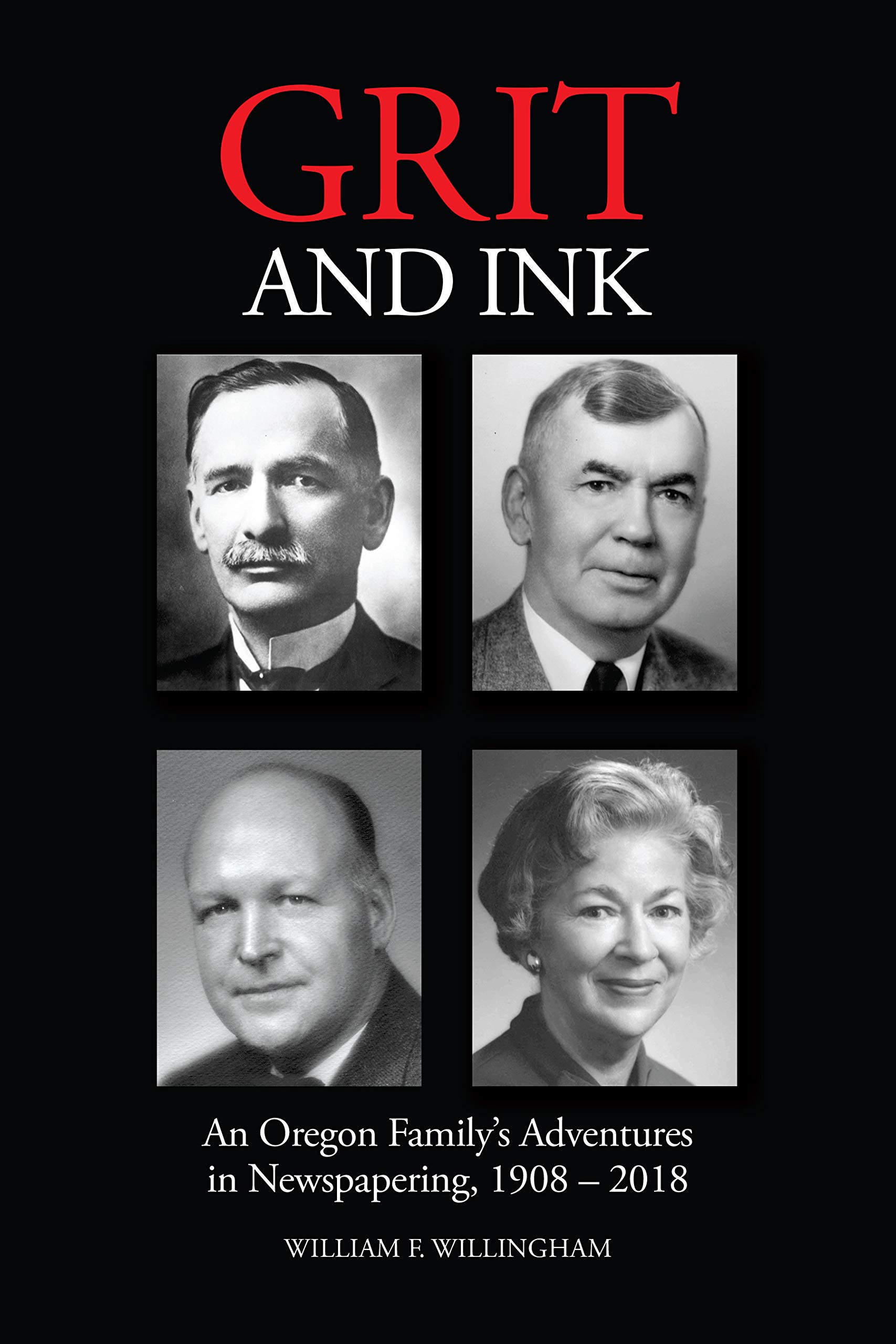
Teaser Tuesday: Grit and Ink: An Oregon Family’s Adventures in Newspapering, 1908–2018 by William F. Willingham


Pendleton in the early 1880s exemplified a cinematic image of the Wild West. Almost every issue of the EO told of fist fights, pistol whipping, knife fights, racing horses on the major streets.
-- Grit and Ink: An Oregon Family’s Adventures in Newspapering, 1908–2018 by William F. Willingham, with a Preface by Stephen A. Forrester and a Forward by R. Gregory Nokes.

Grit and Ink is the history of the East Oregonian Publishing Company, an independent newspaper company that has been publishing across Oregon for close to 140 years. The history is still living -- the company was in the news today for outbidding two national newspaper chains to buy The Bulletin in Bend, and the weekly Redmond Spokesman.

Grit and Ink is a great read for anyone interested in the newspaper business, local journalism, or Oregon history.


Teaser Tuesdays is hosted by The Purple Booker, where you can find the official rules for this weekly event.

Monday, July 29, 2019

Mailbox Monday: July Books

For the last Mailbox Monday in July, I have a last stack of red, white, and blue books, thanks to a trip to Booktique, one of my favorite Friends of the Library stores.


Fellowship of Fear by Aaron Elkins. This is the first in Elkin's series features forensic anthropologist-detective Gideon Oliver. He won the 1988 Edgar Award for Old Bones, the fourth book in the series.

The Men and the Girls by Joanna Trollope. This early Trollope novel is hard to find -- I'm glad I did!

Sing, Unburied, Sing by Jesmyn Ward. Ward won her second National Book Award for this one. I'm trying to read all the National winners and usually read them with my ears, but the waitlist for the audiobook from my library is really long, so now I have this as a backup.

Transcription by Kate Atkinson. I'll read anything Atkinson writes. But I am really looking forward to the new Jackson Brodie book coming out later this year.

A Ladder to the Sky by John Boyne. I've never read a book by Boyne, but this sounded reayy good, so I got it on a whim.

What looks good to you? What books came into your house last week?


Thanks for joining me for Mailbox Monday, a weekly "show & tell" blog event where participants share the books they acquired the week before. Visit the Mailbox Monday website to find links to all the participants' posts and read more about Books that Caught our Eye.

Mailbox Monday is graciously hosted by Leslie of Under My Apple Tree, Serena of Savvy Verse & Wit, and Martha of Reviews by Martha's Bookshelf.


Thursday, July 25, 2019

Book Beginnings: Artificial Intelligence: Rise of the Lightspeed Learners by Charles Jennings.

BOOK BEGINNINGS ON FRIDAYS
THANKS FOR JOINING ME ON FRIDAYS FOR BOOK BEGINNING FUN!

MY BOOK BEGINNING


After decades of academic activity, AIs have escaped their lab cages and are swarming out into the real world. With consequences for all of us.

Artificial Intelligence: Rise of the Lightspeed Learners by Charles Jennings. This new book about AI is written for a general audiences. It is short and mesmerizing.


Please join me every Friday to share the first sentence (or so) of the book you are reading, along with your initial thoughts about the sentence, impressions of the book, or anything else the opener inspires. Please remember to include the title of the book and the author’s name.

EARLY BIRDS & SLOWPOKES: This weekly post goes up Thursday evening for those who like to get their posts up and linked early on. But feel free to add a link all week.

SOCIAL MEDIA: If you are on Twitter, Instagram, or other social media, please post using the hash tag #BookBeginnings. I try to follow all Book Beginnings participants on whatever interweb sites you are on, so please let me know if I have missed any and I will catch up.

YOUR BOOK BEGINNING


TIE IN: The Friday 56 hosted by Freda's Voice is a natural tie in with this event and there is a lot of cross over, so many people combine the two. The idea is to post a teaser from page 56 of the book you are reading and share a link to your post. Find details and the Linky for your Friday 56 post on Freda’s Voice.


MY FRIDAY 56

Transportation, as far as I can tell, is one sector where the benefits of AI far outweigh the risks. In our new AI world, there will be autonomous drones – and smart ones.


Tuesday, July 23, 2019

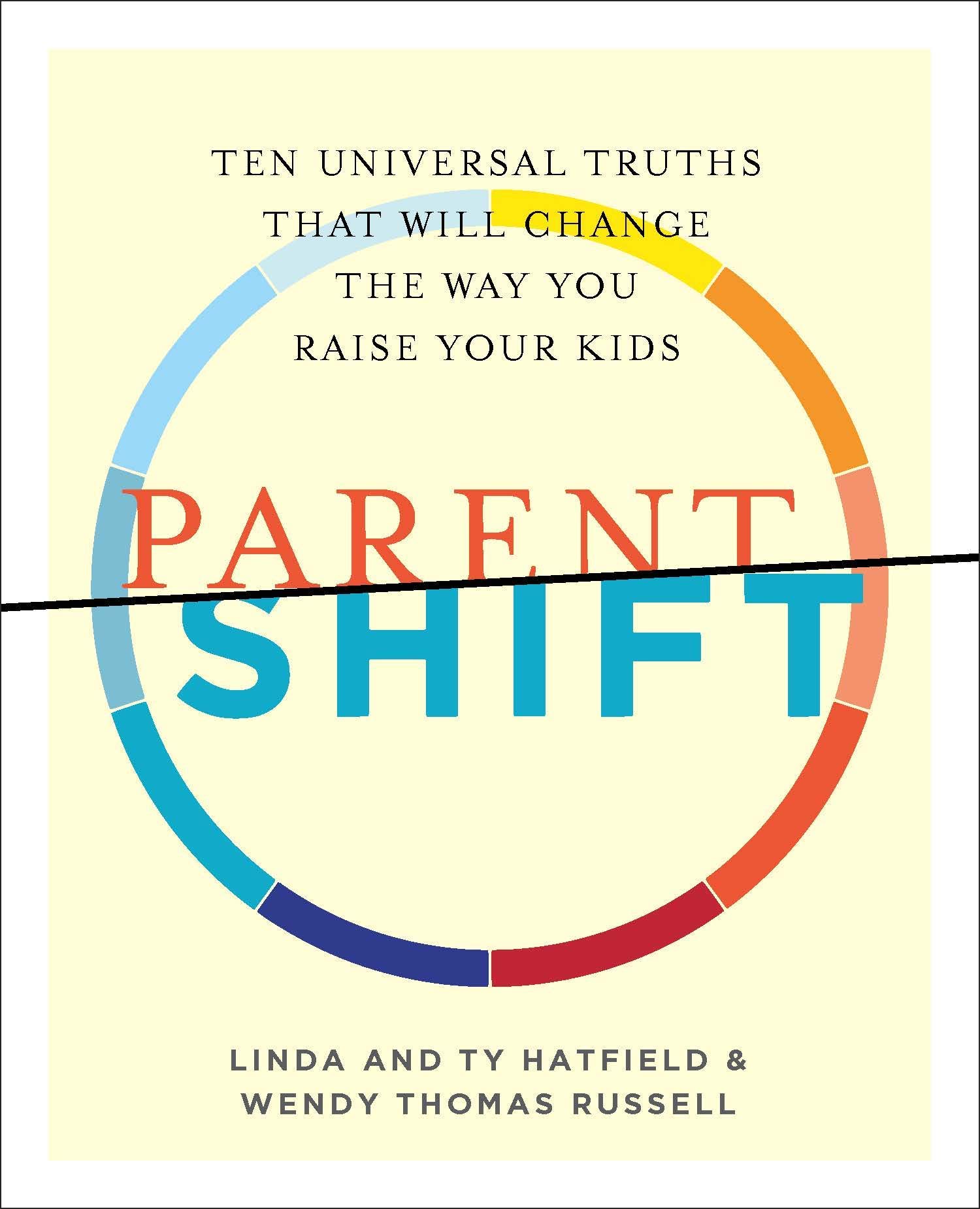
Teaser Tuesday: ParentShift: Ten Universal Truths That Will Change the Way You Raise Your Kids by Linda and Ty Hatfield & Wendy Thomas Russell


Please do not misunderstand us. Being a solidly great parent to your child, in your country, in your culture, in your family allows for endless variety.

ParentShift: Ten Universal Truths That Will Change the Way You Raise Your Kids by Linda and Ty Hatfield and Wendy Thomas Russell.

I have three little grandsons, so my "parenting" is limited to occasional grand-parenting. But this book is still really interesting and one I will get for my stepdaughters.


Teaser Tuesdays is hosted by The Purple Booker, where you can find the official rules for this weekly event.

Monday, July 22, 2019

Mailbox Monday: Memoir, AI, Texas Transplants, and Rogue Agents

What books came into your house last week? I got a mix of nonfiction and fiction:


At the Narrow Waist of the World: A Memoir by Marlena Maduro Baraf. Marlena grew up in a Jewish family in Catholic Panama, and moved to the US in her late teens. What a story!


Artificial Intelligence: Rise of the Lightspeed Learners by Charles Jennings. This is a book about AI for ordinary people. I look forward to reading it.


Shallow Waters: A Port Sterling Mystery by Kay Jennings. This is the first in a series of mysteries set on the stormy Oregon coast, featuring a transplanted Texan as the new chief of police.


Between Two Scorpions: A Dangerous Clique Novel by Jim Geraghty. This is the first book in a new spy thriller series involving a "rogue crew of covert agents from every corner of the intelligence community." Sounds great!


Thanks for joining me for Mailbox Monday, a weekly "show & tell" blog event where participants share the books they acquired the week before. Visit the Mailbox Monday website to find links to all the participants' posts and read more about Books that Caught our Eye.

Mailbox Monday is graciously hosted by Leslie of Under My Apple Tree, Serena of Savvy Verse & Wit, and Martha of Reviews by Martha's Bookshelf.


Thursday, July 18, 2019

Book Beginning: Set in Darkness by Ian Rankin

BOOK BEGINNINGS ON FRIDAYS
THANKS FOR JOINING ME ON FRIDAYS FOR BOOK BEGINNING FUN!

MY BOOK BEGINNING


Darkness was falling as Rebus accepted the yellow hardhat from his guide.

-- Set in Darkness by Ian Rankin. This is the 11th in Rankin's Inspector John Rebus series, set in Edinburgh. This time, dead bodies keep showing up at the building site of the new Scottish Parliament.

Rebus is one of my favorite series. Any other fans?


Please join me every Friday to share the first sentence (or so) of the book you are reading, along with your initial thoughts about the sentence, impressions of the book, or anything else the opener inspires. Please remember to include the title of the book and the author’s name.

EARLY BIRDS & SLOWPOKES: This weekly post goes up Thursday evening for those who like to get their posts up and linked early on. But feel free to add a link all week.

SOCIAL MEDIA: If you are on Twitter, Instagram, or other social media, please post using the hash tag #BookBeginnings. I try to follow all Book Beginnings participants on whatever interweb sites you are on, so please let me know if I have missed any and I will catch up.

YOUR BOOK BEGINNING


TIE IN: The Friday 56 hosted by Freda's Voice is a natural tie in with this event and there is a lot of cross over, so many people combine the two. The idea is to post a teaser from page 56 of the book you are reading and share a link to your post. Find details and the Linky for your Friday 56 post on Freda’s Voice.


MY FRIDAY 56

"You always overdo things!" his mother snapped at him. To which he said nothing, just stared into his pudding bowl, glancing up eventually to wink at Lorna.

From minute 56 in the audiobook.


Wednesday, July 17, 2019

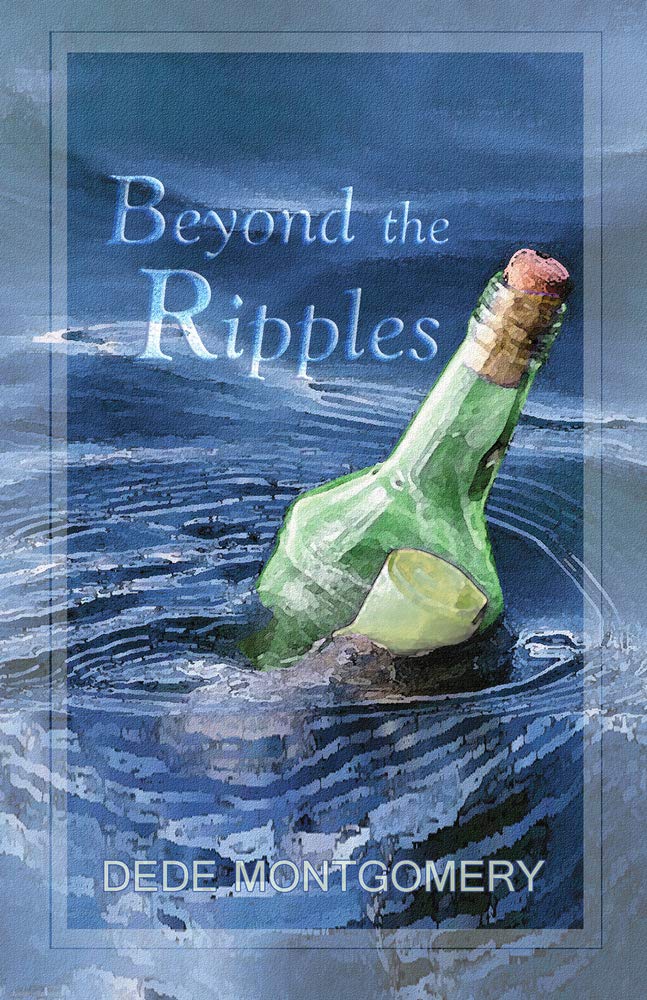
Author Interview: Dede Montgomery


Dede Montgomery's deep roots in the Pacific Northwest inspire her writing, first in her 2017 memoir, My Music Man, and now in her debut novel, Beyond the Ripples.


Dede recently talked with Rose City Reader about her new book, community, and what comes next:


How would you describe your new book, Beyond the Ripples?

Ultimately, this book explores the connections formed between people. I believe that the universe works in a way that offers us multitudes of opportunities to connect and experience others, especially when we pay attention. Beyond the Ripples is also about the power of friendship, and the regrets and choices dotting family relationships. It is about secrets and how we all are given opportunities to forgive, learn, love, and move on. My own childhood act of writing a note, putting it in a bottle, and launching it into the Willamette River gave me the initial inspiration for the beginning of the novel. While an older man living downriver did answer my letter, this novel allowed me to imagine what else could come from something as simple as answering a letter from someone you don’t know.

What is your professional or personal background and how did it lead to you writing fiction?

I come from generations of writers, including my grandfather (history-filled books like The White Headed Eagle), my great-great-grandfather J.K. Gill (of J.K. Gill Company) and my dad, a journalist. I have always loved to write, and while my writing skills have been important to support my work in my technical career, it hasn’t been my main thing. When I was young I did want to write a book, but college, graduate school, and my career took me in another direction, although I have always actively journaled.

Five years ago, when my dad died, I began writing my memoir (My Music Man, BInk Publishing, 2017). Prior to writing this memoir, I would not have imagined that I had a novel “inside” me. Yet, writing memoir, while staying as true to facts as my memories allowed, helped me understand how I could now use my own creativity to develop a new and fictional story. It has been a beautiful, fulfilling process for me, and the best thing I could have done during my mid-life journey.

There is a theme of human connectedness that runs through the story in Beyond the Ripples. How does that theme manifest itself in your new book and are there other themes you tried to bring out?

Not only does this theme manifest itself in how the characters meet and relate to each other, but since writing this I consistently notice connections, or opportunities for connecting with others, that I am not sure I would have paid attention to before. By reaching out and talking or asking or noticing, I have connected with people who have added great richness to my life, and sometimes make remarkable serendipitous discoveries (for example, striking a conversation on the bus with a man who worked for my grandfather and with my dad long ago.) There are so many lonely people in our society today – and many of us frequently feel isolated at times. By opening ourselves up more we can add to a richness in life.

Other themes in Beyond the Ripples explore secrets and forgiveness, relationships between mothers and daughters, and daughter and fathers, and my belief that it is never too late to work toward a better place with someone.

Did you know right away, or have an idea, how you were going to end the story? Or did it come to you as you were in the process of writing?

I wrote the first two chapters of the book without really knowing what would happen. I knew how it had to start. After finishing those early draft chapters, I scribbled some notes to myself about the things I knew would have to happen to keep the story moving, but without a lot of detail. The details came as I wrote. It was a very organic process and one of the most exciting and engaging experiences I have ever had.

What did you learn from writing your book – either about the subject of the book or the writing process – that most surprised you?

I learned, or perhaps better recognized, how intrigued I am with people. The way my characters feel, and trying to show that, is an important part of my writing craft. Throughout the writing of this book I would observe people around me and think to myself – “that’s just like Amelia,” or some sort thing related to my characters as they do live in my head. I was most surprised at how this book (as with my memoir) simply jumped out of me. I absolutely could not force myself not to write. Sometimes I wonder if having a day job made it almost easier to avoid “writer’s block” because I had so much in me that when I finally got that time early morning or late night or weekends I barely had enough time to get it down. Many times I would stop during my bike or bus commute to work, pull out my phone, and dictate a sentence or paragraph so it would still be there later. The other thing I only now have learned is to spend more time on selecting character names in future writing. I very much relied on instinct for my chosen character names, and think I would have benefited from giving more thought to those decisions.

Were books an important part of your household when you were growing up? What sorts of books did you have in the house?

Books were very important to my family, going back many generations. I have a chapter in My Music Man called “Books.” I have been very fortunate to have grown up with access to libraries and shelves of books in our homes. Some of our books, especially those of my dad’s, addressed Pacific Northwest history. We certainly had the classics. Many of our books had been in family for awhile. Toward the end of my dad’s life, one of my favorite things was to pick up the books he had ordered from the library and then guess on a couple of other titles for him.

As a kid, I read most anything and everything, except I never tried a single Nancy Drew mystery, and I rarely read science fiction. When I was eleven or so, I ran out of reading material once and took The Catcher in the Rye off the shelf. I didn’t fully understand it, but I read it cover to cover. I drowned out the noise and commotion of four brothers, my parent’s early marital challenges, and growing up without neighbors my age or gender, by keeping my nose in a book. I loved the Little House and Box Car Children series, some of the traditional classics, but spent a lot of my pre-teen and teen years trying to read every fictional book I could find about people experiencing injustice. The library was one of my most favorite places, and most of the books I read in childhood were from school or public libraries. It always felt like a very big deal when the Scholastic Monthly book lists came out, and I got to order a book or two.

Who are your three (or four or five) favorite authors? Is your own writing influenced by the authors you read?

It’s a bit embarrassing, but I’m not always great about remembering the titles and authors of all of the books I have read. Years ago, I started a paper list (before computer-based tracking or platforms like GoodReads) but it started to feel cumbersome and exhausting. A few times I’ve started a book only to realize I had already read it! My lifetime favorite authors are Margaret Atwood, Barbara Kingsolver, Alice Munro, Toni Morrison, Kate Atkinson, Lisa See…..this gets hard, as there are so many! I like authors who make you work a bit and would like to think that influences my writing as well. I definitely enjoy character-driven books more than plot driven, and pretty certain that is the way I write.

What are you reading now?

I recently finished The Overstory: A Novel by Richard Powers, and felt it was one of the best books I had read in a long while. He was a new author for me, so just the other day I began Powers’ Generosity: An Enhancement. I also have begun Leadership: In Turbulent Times by Doris Kearns Goodwin, but take breaks for other reads.

You have a terrific website and blog and are also on Facebook and Twitter. From an author's perspective, how important are social networking sites and other internet resources to promote your book?

I began my blog/website almost three years ago when I signed the contract for My Music Man. I felt the writing practice would be good for me and I knew it was important to somehow attract some “interest” in me or my writing. I found how freeing it was, since I lead up a professional blog within my workplace at OHSU, which I enjoy, but must stay focused on its relationship to our work mission. Since beginning my personal blog (Musings on Life in Oregon) I have enjoyed blogging 2-3 times per month and never seem to run out of ideas for content. Unfortunately, I think it’s keeping me from moving very fast or far on my third project/book.

In today’s world, social media can feel like a curse in that it sucks time, and is also so easy to compare yourself with others who may be finding more “success” than you, or at least look like it. I’d much rather have a face-to-face conversation with someone, or spend that time reading. Yet, with the dizzying number of books out there an author has to use SM to try to get noticed, especially if you either have a small press and/or no agent. It’s mostly free and some of the other promotion alternatives can cost more than your book sales might bring in. Did I say I am thankful for a day job that I love most of the time?

Do you have any events coming up to promote your book?

I’ve finished the last of my scheduled readings until next March, although I hope to schedule some more. I have a book group or two to meet with which I really enjoy, and will also be at several upcoming book events and art festivals. You can learn more about the specifics of my events on the events page of my website. I would love to meet with book groups that have read Beyond the Ripples, as I am finding that to a most satisfying part of this experience.

What’s next? What are you working on now?

This is a great question I keep asking myself! I have started a bit of work on two very different projects, and find myself waiting for that tiny voice in my head to help me decide which should be next. The first is a sequel to Beyond the Ripples. The second is a reworking of my blog content and poetry into an e-book. Stay tuned!


THANKS, DEDE!

BEYOND THE RIPPLES IS AVAILABLE ONLINE, OR ASK YOUR LOCAL BOOK SELLER TO ORDER IT!


Friday, July 12, 2019

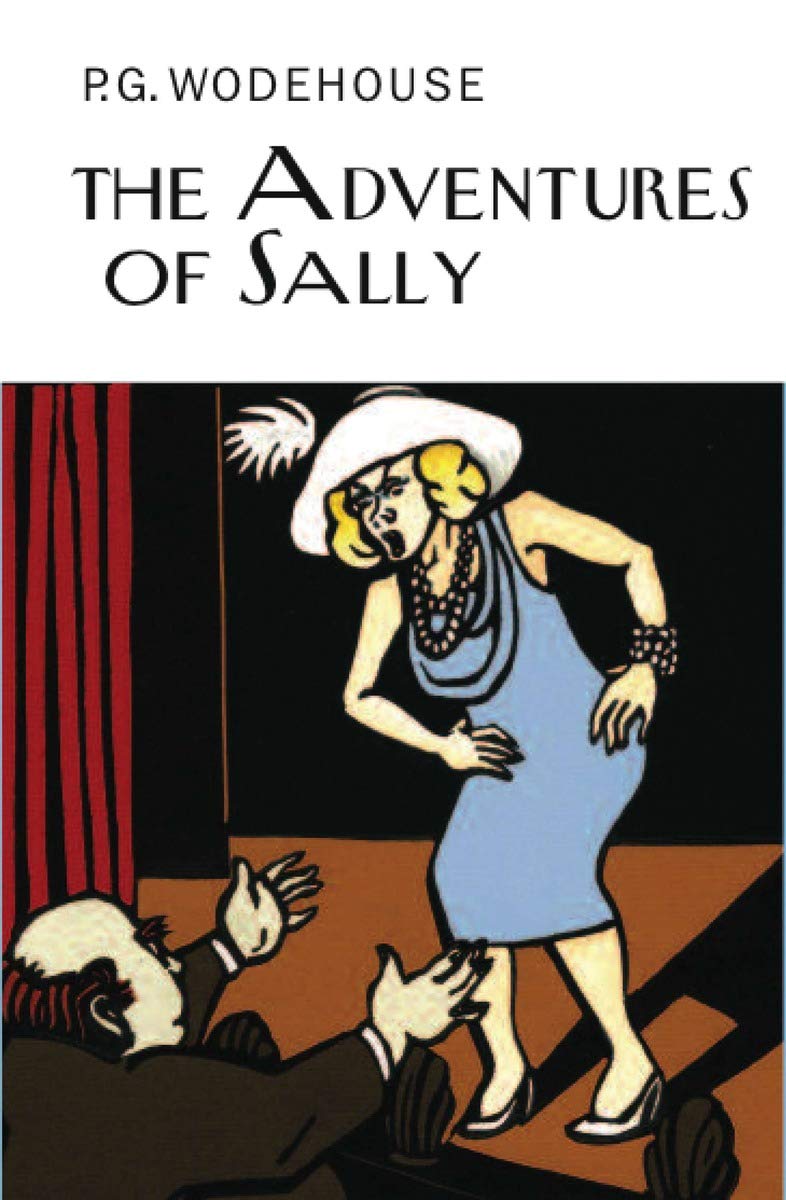
Book Beginning: The Adventures of Sally by P. G. Wodehouse

BOOK BEGINNINGS ON FRIDAYS
THANKS FOR JOINING ME ON FRIDAYS FOR BOOK BEGINNING FUN!

Oops! I completely forgot to post yesterday! I had friends coming to my house last evening, so I ran out of the office to prep some snacks and forgot all about my Book Beginnings hosting obligations. Sorry!

MY BOOK BEGINNING


Sally looked contentedly down the long table. She felt happy at last.

-- The Adventures of Sally by P. G. Wodehouse.


Please join me every Friday to share the first sentence (or so) of the book you are reading, along with your initial thoughts about the sentence, impressions of the book, or anything else the opener inspires. Please remember to include the title of the book and the author’s name.

EARLY BIRDS & SLOWPOKES: This weekly post goes up Thursday evening for those who like to get their posts up and linked early on. But feel free to add a link all week.

SOCIAL MEDIA: If you are on Twitter, Instagram, or other social media, please post using the hash tag #BookBeginnings. I try to follow all Book Beginnings participants on whatever interweb sites you are on, so please let me know if I have missed any and I will catch up.

YOUR BOOK BEGINNING


TIE IN: The Friday 56 hosted by Freda's Voice is a natural tie in with this event and there is a lot of cross over, so many people combine the two. The idea is to post a teaser from page 56 of the book you are reading and share a link to your post. Find details and the Linky for your Friday 56 post on Freda’s Voice.


MY FRIDAY 56

From all over the beach dogs of every size, breed, and colour were racing to the scene: and while some of these merely remained in the ringside seats and barked, a considerable proportion immediately started fighting one another on general principles, well content to be in action without bothering about first causes. The terrier had got the poodle by the left hind-leg and was restating his war-aims.


Tuesday, July 9, 2019

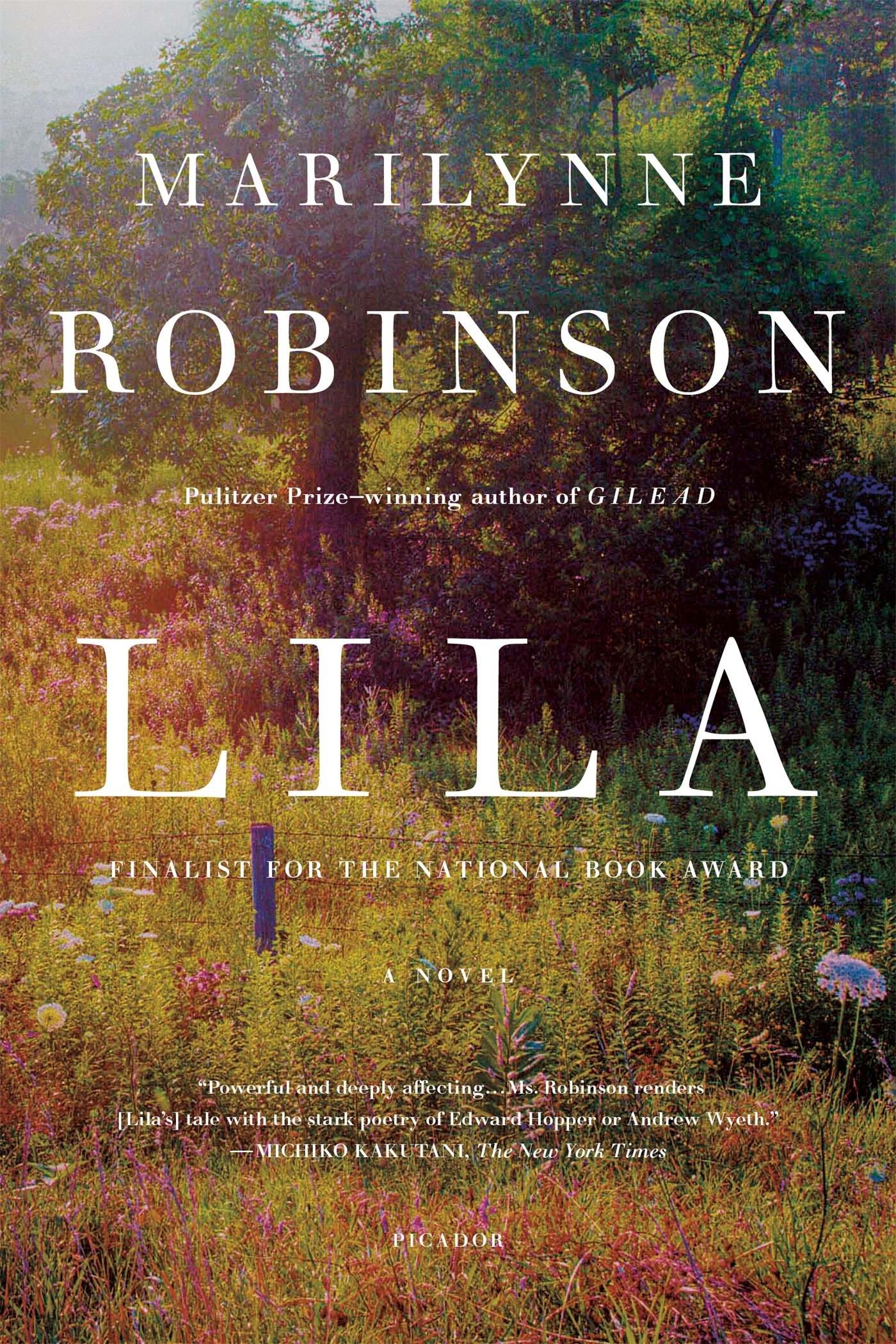
Teaser Tuesday: Lila by Marilynne Robinson


He said, "so, then, you've decided to stay."

"I never did plan on leaving."
-- Lila by Marilynne Robinson. Lila is one of the three books in Robinson's Gilead trilogy, along with Home (winner of the Orange Prize, now Baileys Prize) and Gilead (winner of the Pulitzer Prize).


Teaser Tuesdays is hosted by The Purple Booker, where you can find the official rules for this weekly event.

Monday, July 8, 2019

Mailbox Monday: The Old Filth Trilogy by Jane Gorman

What books came into your house last week?

I got the first book of Jane Gorman's Old Filth Trilogy a while back, at a friends of the library shop. But it took me a while to find the matching Europa Editions and finally got them on Book Depository. I love a matching set!

Old Filth is the nickname of the main character. Filth stands for Failed in London, Try Hong Kong.


Old Filth

The Man in the Wooden Hat

Last Friends


Thanks for joining me for Mailbox Monday, a weekly "show & tell" blog event where participants share the books they acquired the week before. Visit the Mailbox Monday website to find links to all the participants' posts and read more about Books that Caught our Eye.

Mailbox Monday is graciously hosted by Leslie of Under My Apple Tree, Serena of Savvy Verse & Wit, and Martha of Reviews by Martha's Bookshelf.

Related Posts Plugin for WordPress, Blogger...