Thursday, August 18, 2016

Book Beginning: Froelich's Ladder by Jamie Duclos Yourdon


THANKS FOR JOINING ME ON FRIDAYS FOR BOOK BEGINNING FUN!

Please join me every Friday to share the first sentence (or so) of the book you are reading, along with your initial thoughts about the sentence, impressions of the book, or anything else the opener inspires. Please remember to include the title of the book and the author’s name.

EARLY BIRDS & SLOWPOKES: This weekly post goes up Thursday evening for those who like to get their posts up and linked early on. But feel free to add a link all week.

FACEBOOK: Rose City Reader has a Facebook page where I post about new and favorite books, book events, and other bookish tidbits, as well as link to blog posts. I'd love a "Like" on the page! You can go to the page here to Like it. I am happy to Like you back if you have a blog or professional Facebook page, so please leave a comment with a link and I will find you.

TWITTER, ETC: If you are on Twitter, Google+, or other social media, please post using the hash tag #BookBeginnings. I try to follow all Book  Beginnings participants on whatever interweb sites you are on, so please let me know if I have missed any and I will catch up.

TIE IN: The Friday 56 hosted by Freda's Voice is a natural tie in with this event and there is a lot of cross over, so many people combine the two. The idea is to post a teaser from page 56 of the book you are reading and share a link to your post. Find details and the Linky for your Friday 56 post on Freda’s Voice.

YOUR BOOK BEGINNING


MY BOOK BEGINNING


It was November 1851 when Harold and Froelich arrived in Oregon Country. Disembarking at Fort Astoria, they journeyed inland by foot, hiking over the Cascades in a gale that swept off the ocean like a push broom.

Froelich's Ladder by Jamie Duclos Yourdon, published by Forest Avenue Press. I included the first two sentences for a change because I love the push broom image of the gale driving the brothers inland.

Froelich's Ladder is a "nineteenth century madcap adventure novel" with a fairytale feel.

PUBLISHER'S DESCRIPTION:
Froelich nurses a decades-old family grudge from his permanent perch atop a giant ladder in this nineteenth century madcap adventure novel. When he disappears suddenly, his nephew embarks on a rain-soaked adventure across the Pacific Northwest landscape to find him, accompanied by an ornery girl with a most unfortunate name. In their encounters with Confederate assassins, European expatriates, and a general store magnate, this fairytale twist on the American dream explores the conflicts between loyalty and ambition and our need for human connection, even at the highest rungs.


Favorite Authors: Maj Sjöwall and Per Wahlöö


Maj Sjöwall and Per Wahlöö are Swedish authors who collaborated on a series of crime novels featuring homicide detective Martin Beck. They wrote the books in the 1960s and '70s, until Wahlöö's death in 1975.

So far, I haven't read any of the Martin Beck books. But it has lured me in because I'm working my way through the Edgar Award winners and The Laughing Policeman won the award in 1971; the books count for my European Reading Challenge; the Vintage Mystery Challenge has me hooked on "Silver Age" vintage mysteries; and all the Nordic Noir I'm watching on Netflix puts me in the mood for Swedish mysteries.

I can't wait to start!

Roseanna (1965)
The Man Who Went Up in Smoke (1966)
The Man on the Balcony (1967)
The Laughing Policeman (1968) (Edgar Award, Best Novel, 1971)
The Fire Engine That Disappeared (1969)
Murder at the Savoy (1970)
The Abominable Man (1971)
The Locked Room (1972)
Cop Killer (1974)
The Terrorists (1975)


Wednesday, August 17, 2016

Author Interview: Kem Luther


Kem Luther is a naturalist, writer, and former professor who grew up in the Nebraska Sandhills and now lives on Vancouver Island. He is the author of Cottonwood Roots and The Next Generation Gap.

His new book, Boundary Layer: Exploring the Genius Between Worlds (OSU Press), is a highly readable collection of essays about the what grows close to the ground -- lichens, mosses, ferns, fungi, and other diminutive plant life -- and the scientists who study this boundary layer.


Kem recently answered questions for Rose City Reader:

How did you come to write Boundary Layer?

“How long did it take you to write this book?” is a question often put to writers. “All my life” is the clever retort. In this case, though, the boilerplate answer has a ring of truth. I’ve been drawn to natural settings since I was a boy. Boundary Layer is my just latest attempt to put on paper some of the stories from a lifelong engagement with the natural world.

West Coast ecosystems were a blank spot on my natural history map. When my wife and I moved to British Columbia twelve years ago, I liked what I saw and I soon entangled myself with several of the natural history groups on southern Vancouver Island. Boundary Layer emerged from this entanglement. The book looks at some components of the Pacific Northwest ecosystems— mosses, fungi, lichens—and the fascinating characters who have spent their lives studying these often overlooked subsystems.

What is your work background? How did it lead you to writing this book?

I spent my professional career in colleges and universities, both in the U.S. and Canada. I taught philosophy at first, later computer science. Toward the end of my career, I moved into educational administration in order to launch a cross-disciplinary program at the University of Toronto, a program that now enrolls about a thousand students. About ten years before I retired, I started writing trade books, books directed at wide audiences. Keeping up both a writing career and a full time job were too much, so I took an early retirement from teaching and administration in order to concentrate on my writing.

In the last chapters of Boundary Layer, I delve into material that was close to my heart when I was a student and teacher of philosophy. The narrative of the book is stitched together with what physicists and biologists have discovered about boundary layers, the narrow regions that lie between large, stable systems. In the first part of the book, I deal with several of the more tangible boundary layers, the ones that are found on seashores and forest floors in the Pacific Northwest. As the story progresses, the metaphor of a boundary layer become a way to talk about our wider human posture toward natural systems. Certain crucial issues in biology—the tension between species concepts and ecosystem thinking, the debate about what is wilderness what is artificial—can be approached as conflicts that generate conceptual boundary layers. These more abstract boundary layers, I find, resolve some of the differences between the bounding systems. At the end of the book, I take up (briefly) the largest conceptual boundary layer in Western society, the struggle between a cultural understanding based on humanities and one based on science.

You write about the stegnon, the layer closest to the ground, where things like lichen, moss, and fungi grow. How did you become interested in this layer between earth and air and the diminutive life forms that live there?

There’s a wonderful line in the 1939 film adaptation of Frank Baum’s The Wizard of Oz. When Dorothy and her crew finally get to meet the wizard, they are confronted with a fearsome image with a thunderous voice. Dorothy’s dog, Toto, runs over to the side of the interview hall and pulls back a curtain, exposing a normal, all-too-human person engineering the wizard’s image. Seeing himself exposed, the wizard makes the image say “Pay no attention to that man behind the curtain.” I think that I became interested in the nondescript stuff along the forest floor because I was getting a subtle message from some biologists and naturalists that the denizens of the bottom storey of West Coast forests were not as important as the trees and shrubs and mammals. The more I looked into the life cycles of the neglected mosses and lichens and mushrooms, the more it became clear to me that they were the ones who were really calling the shots. That made me want to pay attention to what was behind the curtain, to retell the story of these ecosystems in a way that included these smaller life forms.

Your book is an enlivening mix of botany, natural history, philosophy, and biographical sketches of the scientists who study the stegnon. Who is your intended audience?

I tried to write Boundary Layer so that a person with a high school background in biology could follow the stories in it. I didn’t always succeed. As I edited the book in the months before handing it over to Oregon State University Press to publish, for example, I removed a least two dozen technical terms from the text. I find it distressing how quickly I can drop into the jargon of the professionals who study what I am writing about, often without even realizing that I’m doing it.

What did you learn from writing Boundary Layer – either about the subject of the book or the writing process – that most surprised you?

My encounter with the composite nature of lichens helped me rethink the integrity of biological species. I began to investigate more closely the way that almost all organisms are composite entities. Some of this investigation ended up in the text of Boundary Layer, but not all of it. I have since developed a slide talk that carries my thoughts on this topic a bit further (“Lichens, Chimeras, and Superorganisms: Life On the Borderlands between Species and Ecosystems.” You can view a web list the book-based talks I’ll be doing over the next few months under the Events tab on the book’s web site,)

What writers inspire your own work and why?

Some of our best nature interpreters were also great writers. I’ve been influenced by the superb styles of Aldo Leopold, Annie Dillard, Loren Eiseley, Henry David Thoreau, and John McPhee, among others. But I don’t just read books on natural history. I’m attracted to magnificent prose on any subject, whether nonfiction (George Orwell) or fiction (Anne Tyler). When I find a great writer, I tend to binge read everything the person has written.

Do you have any favorite books of nature writing you would recommend to readers new to the genre?

Those who are interested in what I wrote in Boundary Layer about the concept of nature will find sympathetic treatments of the subject in two recent books, Emma Marris’s Rambunctious Garden and J.B. MacKinnon’s Once and Future World. These books came out after I wrote the section in Boundary Layer on the concept of nature, but before my book was published. When I read these books, I was surprised to see how our thoughts had been moving along similar grooves at the same time.

What kind of books do you like to read? What are you reading now?

At any time, I have about a dozen books on the go. Three books on the stack at the moment are The Gene by Siddhartha Mukherjee, Garry Wills's Head and Heart, Robert Macfarlane’s Landmarks. I’ve always found it curious that I can only work on one book at a time, but I can’t read just one book at a time.

What’s next? What are you working on now?

I’ve always had a fascination with language and words. Just last week I completed the first draft of a book on eggcorns, language slips that involve both sound and sense.


THANKS, KEM!

BOUNDARY LAYER IS AVAILABLE FROM OSU PRESS, OTHER ON-LINE SELLERS, OR ASK YOUR LOCAL BOOKSTORE TO ORDER IT!


Monday, August 15, 2016

Mailbox Monday


Thanks for joining me for Mailbox Monday! MM was created by Marcia, who graciously hosted it for a long, long time, before turning it into a touring event. Mailbox Monday has now returned to its permanent home where you can link to your MM post.

Two books came into my house last week and both have captured my imagination!


Froelich's Ladder by Jamie Duclos Yourdon, published by Forest Avenue Press. I love this description: "a fabulist adventure novel with YA crossover appeal, set in a reimagined nineteenth-century Pacific Northwest."


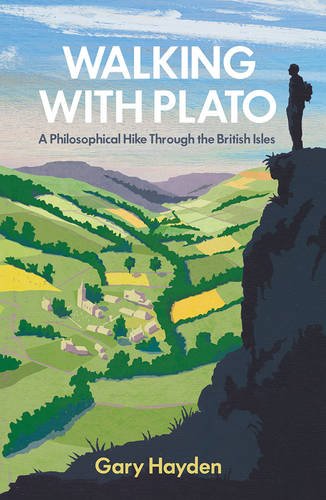
Walking with Plato by Gary Hayden, published by Oneworld Publications. Philosophical and other musings inspired by the author's thousand-mile walk from John o’Groats, the northern tip of Scotland, to Land’s End, the southernmost tip of England.

Thursday, August 11, 2016

Book Beginning: From the Heart: The Photographs of Brian Lanker


THANKS FOR JOINING ME ON FRIDAYS FOR BOOK BEGINNING FUN!

Please join me every Friday to share the first sentence (or so) of the book you are reading, along with your initial thoughts about the sentence, impressions of the book, or anything else the opener inspires. Please remember to include the title of the book and the author’s name.

EARLY BIRDS & SLOWPOKES: This weekly post goes up Thursday evening for those who like to get their posts up and linked early on. But feel free to add a link all week.

FACEBOOK: Rose City Reader has a Facebook page where I post about new and favorite books, book events, and other bookish tidbits, as well as link to blog posts. I'd love a "Like" on the page! You can go to the page here to Like it. I am happy to Like you back if you have a blog or professional Facebook page, so please leave a comment with a link and I will find you.

TWITTER, ETC: If you are on Twitter, Google+, or other social media, please post using the hash tag #BookBeginnings. I try to follow all Book  Beginnings participants on whatever interweb sites you are on, so please let me know if I have missed any and I will catch up.

TIE IN: The Friday 56 hosted by Freda's Voice is a natural tie in with this event and there is a lot of cross over, so many people combine the two. The idea is to post a teaser from page 56 of the book you are reading and share a link to your post. Find details and the Linky for your Friday 56 post on Freda’s Voice.

YOUR BOOK BEGINNING

Sorry for the crazy mixed up Linky! For those of you unable to add your link because it said you already had, or for any reason, or if you just want to add your link here instead of below, here is a new Linky:


MY BOOK BEGINNING


Brian Lanker, the photographer, was easy to appreciate, to admire, and to comprehend because his photographer's eye was the human eye and every viewer could easily translate what Lanker saw into what the viewer knew.

-- from an introductions, "A Few Words" by Maya Angelou, to From the Heart: The Photographs of Brian Lanker, by Brian Lanker, with a prologue by Maya Angelou, published by OSU Press.

Lanker won the Pulitzer Prize for feature photography when he was only 24. This is a gorgeous book of his amazing photographs, with captions researched and written by his friend, Mike Tharp, a war correspondent and award-winning journalist, and essays by Lanker’s colleagues and friends.

Tuesday, August 9, 2016

Teaser Tuesday: The Remnants by Robert Hill


She turned somersaults to return the favor. Every Tuesday, from first melt to first freeze, as a member of the Ladies Tumbling Club.

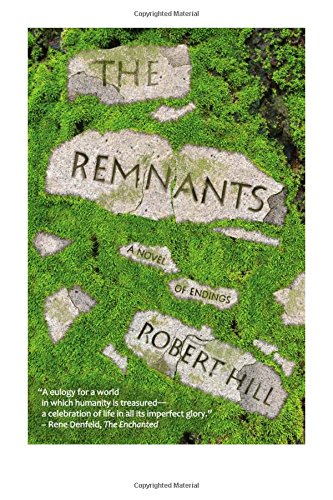
-- The Remnants by Robert Hill. This is a crazily imaginative book about a small, aging town with only a few inbred citizens left to celebrate a few dwindling rituals. It's a book for readers who love language, especially wordplay and rhythm and freewheeling sentences.

Here is the Powell's Books "Staff Pick" recommendation:
Wow, what a book! Robert Hill's The Remnants takes an intense look at the small and dying town of New Eden, Somewhere, USA. Its residents are aging — and so very, very interrelated — and New Eden is assuredly creeping towards its last days.

Hill's characters are so precisely written, they feel as real as you and me, despite the generations of inbreeding, which have left them somewhere off the "normal" scale. Yet, these folks love and hope and yearn like the rest of us, and their stories are magical.

Hill has the silver tongue of a master wordsmith. His gorgeous prose rambles from hilarious to sly to clever, and then doubles back so it can dive right off into beautiful, heartsick, and poignant. A standout story with unbelievably effective prose, The Remnants is one of my favorite 2016 titles.


Teaser Tuesdays is hosted by MizB at Books and a Beat, where you can find the official rules for this weekly event.


Thursday, August 4, 2016

Book Beginnings: The Remnants by Robert Hill


THANKS FOR JOINING ME ON FRIDAYS FOR BOOK BEGINNING FUN!

Please join me every Friday to share the first sentence (or so) of the book you are reading, along with your initial thoughts about the sentence, impressions of the book, or anything else the opener inspires. Please remember to include the title of the book and the author’s name.

EARLY BIRDS & SLOWPOKES: This weekly post goes up Thursday evening for those who like to get their posts up and linked early on. But feel free to add a link all week.

FACEBOOK: Rose City Reader has a Facebook page where I post about new and favorite books, book events, and other bookish tidbits, as well as link to blog posts. I'd love a "Like" on the page! You can go to the page here to Like it. I am happy to Like you back if you have a blog or professional Facebook page, so please leave a comment with a link and I will find you.

TWITTER, ETC: If you are on Twitter, Google+, or other social media, please post using the hash tag #BookBeginnings. I try to follow all Book  Beginnings participants on whatever interweb sites you are on, so please let me know if I have missed any and I will catch up.

TIE IN: The Friday 56 hosted by Freda's Voice is a natural tie in with this event and there is a lot of cross over, so many people combine the two. The idea is to post a teaser from page 56 of the book you are reading and share a link to your post. Find details and the Linky for your Friday 56 post on Freda’s Voice.

YOUR BOOK BEGINNING


MY BOOK BEGINNING


As True Bliss lay in her bed on the morning of her the eve of her one hundredth birthday, the thought that circled her mind, in the applesauce eddy of her mind, the fist chunk in the applesauce eddy that her mind could sink its teeth into was please don't let this day be my last day on earth.

-- The Remnants by Robert Hill. That's quite a metaphor! Or a mixed metaphor. Her mind is an applesauce eddy with teeth. Eating itself. But I guess if you are a day shy of 100 and just waking up, your thoughts might run to muddled metaphor. We'll see where it goes from here.

The Remnants is the story of a town "peopled with hereditary oddities" preparing to celebrate the the 100th  and 99th birthdays of two of its last citizens. Reviewers praise the writing and originality of the story. It was a Powell's Books staff pick.

Tuesday, August 2, 2016

Teaser Tuesday: A Week in Yellowstone's Thorofare


In the 1970s, the idea that grizzly bears would be occupying such  far-flung corners of the Yellowstone ecosystem just thirty years hence would have been greeted with amazement and possibly even derision. Bear numbers were so critically low, and their rate of reproduction so slow . . . that extinction from the area seemed more likely.

-- A Week in Yellowstone's Thorofare: A Journey Through the Remotest Place by Michael J. Yochim.

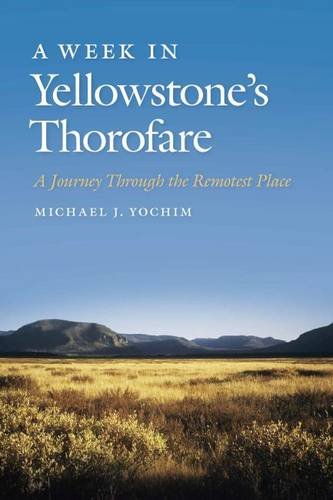
Yochim's book grew out of a week-long canoe expedition in 2014 with two buddies of the Thorofare region in Yellowstone National Park. Also using first-person accounts, archive materials, and his experiences as a National Park Service planner, Yochim argues for the need to preserve "wildness" in the wilderness.

A Week in Yellowstone's Thorofare is a great book for celebrating 100 years of our National Parks, learning more about Yellowstone in particular, or thinking more deeply about the importance of wilderness and wildness in nature.


Teaser Tuesdays is hosted by MizB at Books and a Beat, where you can find the official rules for this weekly event.


Saturday, July 30, 2016

Review: The Light of Paris by Eleanor Brown


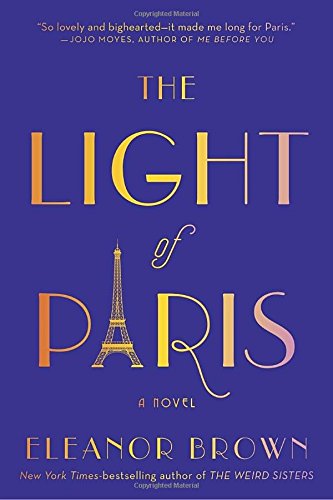
When Madeleine's marriage hits a rough patch, she takes inspiration from her grandmother Margie's diary to spend a daring summer in Paris. Madeleine had always thought her grandmother was the model wife and mother – all elegance and reserve. But Margie's diary showed another side: a free spirit who bolted to Jazz Age Paris for the adventure and romance of living in café society.

Inspired by Margie, Madeleine flees her own broken marriage for a summer in Paris. Looking for healing, she reconnects with her grandmother and her own creative self. The book alternates between Madeleine's and Margie's stories. Madeleine's story is set in 1999, which makes it modern without the distraction of current events and technology, allowing Brown to focus on bigger, timeless themes.

The Light of Paris brims with the requirements of a satisfying story – conflict, family secrets, difficult family relationships, new loves, more conflict, romance, courage, self-discovery, and a gratifying ending. And, of course, Paris. Paris, Paris, Paris. Jazz Age Paris and Paris in the more recent past.

Eleanor Brown’s prose glows and sparkles like a glass of champagne and her book is a toast to independence, self-discovery, and the never-ending allure of Paris.

NOTES

Eleanor Brown wrote the bestselling novel, The Weird Sisters. She drew on the true story of her own grandmother's romantic trip to Paris in the 1920s in writing The Light of Paris.

I just added The Light of Paris to my French Connections list.

OTHER REVIEWS

If you would like your review of The Light of Paris listed here, please leave a comment with a link and I will list it.

BookPage by Karen Ann Cullotta
Kirkus Reviews
Minneapolis Star Tribune by Laurie Hertzel


Thursday, July 28, 2016

Book Beginning: A Week in Yellowstone's Thorofare


THANKS FOR JOINING ME ON FRIDAYS FOR BOOK BEGINNING FUN!

Please join me every Friday to share the first sentence (or so) of the book you are reading, along with your initial thoughts about the sentence, impressions of the book, or anything else the opener inspires. Please remember to include the title of the book and the author’s name.

EARLY BIRDS & SLOWPOKES: This weekly post goes up Thursday evening for those who like to get their posts up and linked early on. But feel free to add a link all week.

FACEBOOK: Rose City Reader has a Facebook page where I post about new and favorite books, book events, and other bookish tidbits, as well as link to blog posts. I'd love a "Like" on the page! You can go to the page here to Like it. I am happy to Like you back if you have a blog or professional Facebook page, so please leave a comment with a link and I will find you.

TWITTER, ETC: If you are on Twitter, Google+, or other social media, please post using the hash tag #BookBeginnings. I try to follow all Book  Beginnings participants on whatever interweb sites you are on, so please let me know if I have missed any and I will catch up.

TIE IN: The Friday 56 hosted by Freda's Voice is a natural tie in with this event and there is a lot of cross over, so many people combine the two. The idea is to post a teaser from page 56 of the book you are reading and share a link to your post. Find details and the Linky for your Friday 56 post on Freda’s Voice.

YOUR BOOK BEGINNING


MY BOOK BEGINNING


It is an unlikely name for the most remote point in the contiguous forty-eight states: the Thorofare.

-- A Week in Yellowstone's Thorofare: A Journey Through the Remotest Place by Michael J. Yochim.

In 2014, Yochim and two friends spent a week exploring the Thorofare, a remote region in Yellowstone National Park, and that expedition became the backbone of his book. He also draws on the first-person accounts of the rangers who patrol the area, historical documents, and his earlier personal experiences working in Yellowstone and Yosemite.

A Week in Yellowstone's Thorofare is a great book for inspiring summer adventures or celebrating 100 years of our National Parks.

Tuesday, July 26, 2016

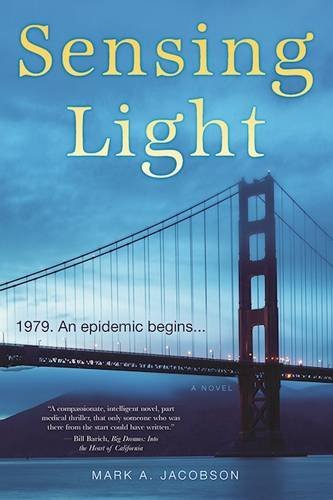
Teaser Tuesday: Sensing Light by Mark A. Jacobson


"I stuck myself . . ."
She had begun calmly but now lost control.
"With a bloody needle,' she sobbed, "from a GRID patient."  

Sensing Light by Mark A. Jacobson. This debut novel is by a doctor who worked himself at San Francisco General Hospital in the onset of the HIV/AIDS epidemic, before the disease even had it's now-familiar name.

Sensing Light is the story of three doctors working in San Francisco at the beginning of the AIDS crisis, trying to figure out why gay men were getting sick and dying. Jacobson effectively mixes medical history with a powerful story of the personal and professional lives of the people living through the confusing early days of a new era.


Teaser Tuesdays is hosted by MizB at Books and a Beat, where you can find the official rules for this weekly event.

Monday, July 25, 2016

Mailox Monday: a New Biogragraphy of Evelyn Waugh


Thanks for joining me for Mailbox Monday! MM was created by Marcia, who graciously hosted it for a long, long time, before turning it into a touring event. Mailbox Monday has now returned to its permanent home where you can link to your MM post.

One new book came into my house last week that looks great:


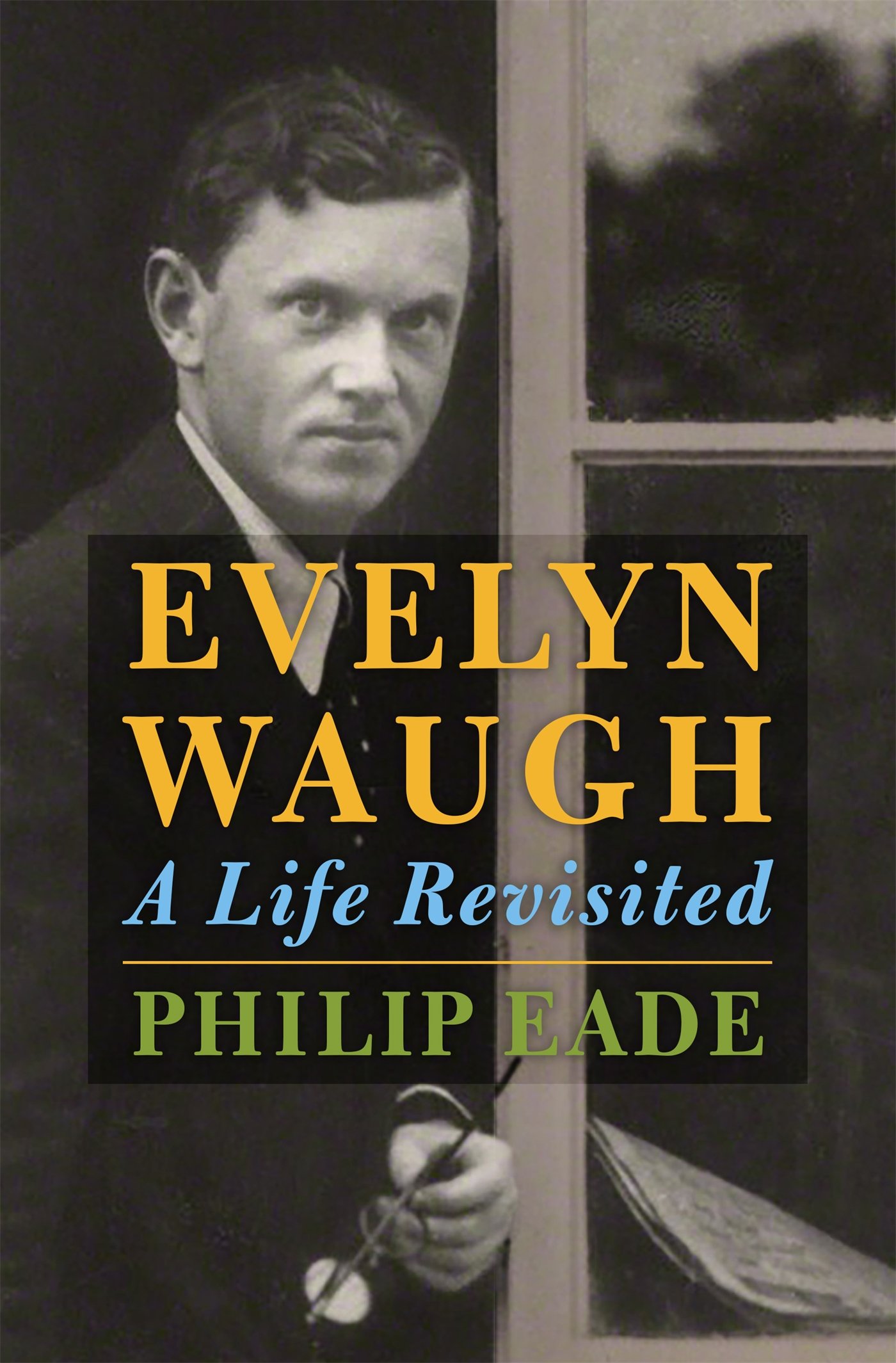
Evelyn Waugh: A Life Revisited by Philip Eade. 50 years after Waugh's death, this new biography draws on previously unseen primary sources for a fresh look at one of the 20th Century's most fascinating authors.

Thursday, July 21, 2016

Book Beginning: Sensing Light by Mark A. Jacobson


THANKS FOR JOINING ME ON FRIDAYS FOR BOOK BEGINNING FUN!

Please join me every Friday to share the first sentence (or so) of the book you are reading, along with your initial thoughts about the sentence, impressions of the book, or anything else the opener inspires. Please remember to include the title of the book and the author’s name.

EARLY BIRDS & SLOWPOKES: This weekly post goes up Thursday evening for those who like to get their posts up and linked early on. But feel free to add a link all week.

FACEBOOK: Rose City Reader has a Facebook page where I post about new and favorite books, book events, and other bookish tidbits, as well as link to blog posts. I'd love a "Like" on the page! You can go to the page here to Like it. I am happy to Like you back if you have a blog or professional Facebook page, so please leave a comment with a link and I will find you.

TWITTER, ETC: If you are on Twitter, Google+, or other social media, please post using the hash tag #BookBeginnings. I try to follow all Book  Beginnings participants on whatever interweb sites you are on, so please let me know if I have missed any and I will catch up.

TIE IN: The Friday 56 hosted by Freda's Voice is a natural tie in with this event and there is a lot of cross over, so many people combine the two. The idea is to post a teaser from page 56 of the book you are reading and share a link to your post. Find details and the Linky for your Friday 56 post on Freda’s Voice.

YOUR BOOK BEGINNING


MY BOOK BEGINNING


Kevin Bartholomew was writing medication orders in the residents' room, a den of tattered couches and rickety folding chairs cluttered with the detritus of take-out food delivered from local ethnic restaurants. 

Sensing Light by Mark A. Jacobson. This is the story of three doctors working in San Francisco at the beginning of the AIDS epidemic. The author drew on his own experience as an intern in 1981 at San Francisco General Hospital, shortly after the CDC first reported a mysterious disease killing gay men.

Wednesday, July 20, 2016

List: Erica Jong's Top 100 20th Century Novels by Women


In response to the publication of the Modern Library’s list of Top 100 Novels of the 20th Century, Erica Jong wrote an article for The Nation in which she discussed the relatively few number of books written by women that made it to the Modern Library’s list.

She also included a list of the Top 100 20th Century Novels by Women, compiled from votes cast by those “250 or so distinguished women writers and critics” and “about thirty male novelists, critics and poets” who Jong solicited directly and participants in “the rather lively writers’ forum” on Jong’s website. The results, while not scientific, would provide for some good reading. The list is in order of the number of votes received.

Those I have read are in red. Those on my TBR shelf are in blue. As always, if anyone has undertaken to read all the books on this list, I am happy to post a link to your progress reports. Just leave a comment with the link address.

Gone With the Wind by Margaret Mitchell

Interview With the Vampire by Anne Rice

To the Lighthouse by Virginia Woolf

Mrs. Dalloway by Virginia Woolf

The Waves by Virginia Woolf

Orlando by Virginia Woolf

Nightwood by Djuna Barnes

The House of Mirth by Edith Wharton

The Age of Innocence by Edith Wharton

Ethan Frome by Edith Wharton

The Well of Loneliness by Radclyffe Hall

Burger's Daughter by Nadine Gordimer

The Dollmaker by Harriette Simpson Arnow

The Handmaid's Tale by Margaret Atwood

My Ántonia by Willa Cather

Fear of Flying by Erica Jong (reviewed here)

Fanny by Erica Jong

Obasan by Joy Kogawa

The Golden Notebook by Doris Lessing

The Fifth Child by Doris Lessing

The Grass Is Singing by Doris Lessing

To Kill a Mockingbird by Harper Lee

Woman on the Edge of Time by Marge Piercy

A Thousand Acres by Jane Smiley

Her First American by Lore Segal

The Color Purple by Alice Walker

The Third Life of Grange Copeland by Alice Walker

The Mists of Avalon by Marion Zimmer Bradley

Memento Mori by Muriel Spark

The Prime of Miss Jean Brodie by Muriel Spark

Bastard Out of Carolina by Dorothy Allison

Wide Sargasso Sea by Jean Rhys (reviewed here)

Anya by Susan Fromberg Shaeffer

Trust by Cynthia Ozick

The Joy Luck Club by Amy Tan

The Kitchen God's Wife by Amy Tan

Chilly Scenes of Winter by Ann Beattie

Their Eyes Were Watching God by Zora Neale Hurston

A Book of Common Prayer by Joan Didion

Play It as It Lays by Joan Didion (reviewed here)

The Group by Mary McCarthy

The Company She Keeps by Mary McCarthy

The Little Disturbances of Man by Grace Paley

The Bell Jar by Sylvia Plath

The Heart Is a Lonely Hunter by Carson McCullers

The Death of the Heart by Elizabeth Bowen

Wise Blood by Flannery O'Connor

Anywhere But Here by Mona Simpson

Song of Solomon by Toni Morrison

Beloved by Toni Morrison

Cold Comfort Farm by Stella Gibbons (reviewed here)

Mr. Fortune's Maggot by Sylvia Townsend Warner

Ship of Fools by Katherine Anne Porter

Progress of Stories by Laura Riding

Heat and Dust by Ruth Prawer Jhabvala (Booker winner)

The Blue Flower by Penelope Fitzgerald

The House of the Spirits by Isabel Allende

Possession by A.S. Byatt

The Ghost Road by Pat Barker

Rubyfruit Jungle by Rita Mae Brown

Hotel du Lac by Anita Brookner

Nights at the Circus by Angela Carter

Rebecca by Daphne Du Maurier (reviewed here)

Geek Love by Katherine Dunn

We Have Always Lived in the Castle by Shirley Jackson (reviewed here)

Excellent Women by Barbara Pym
 
Ceremony by Leslie Marmon Silko

 
Dinner at the Homesick Restaurant by Anne Tyler

The Accidental Tourist by Anne Tyler

Things Invisible to See by Nancy Willard (reviewed here)

Sexing the Cherry by Jeanette Winterson


Disturbances in the Field by Lynne Sharon Schwartz

Civil Wars by Rosellen Brown

Stones for Ibarra by Harriet Doerr

The Mountain Lion by Jean Stafford

Novel on Yellow Paper by Stevie Smith

The Shipping News by E. Annie Proulx

The Mind-Body Problem by Rebecca Goldstein

The Children of Men by P.D. James

Stones From the River by Ursula Hegi

The Life and Loves of a She-Devil by Fay Weldon

Collected Stories by Katherine Mansfield

Life in the Iron Mills by Rebecca Harding Davis

The Beet Queen by Louise Erdrich

The Left Hand of Darkness by Ursula K. Le Guin (tried, gave up)

The Country Girls Trilogy by Edna O'Brien

Realms of Gold by Margaret Drabble

The Waterfall by Margaret Drabble

The Locusts Have No King by Dawn Powell

The Women's Room by Marilyn French

The Optimist's Daughter by Eudora Welty

The Stone Diaries by Carol Shields

Annie John by Jamaica Kincaid

Tell Me a Riddle by Tillie Olsen

The Autobiography of Alice B. Toklas by Gertrude Stein

A Severed Head by Iris Murdoch

Clear Light of Day by Anita Desai

The Drowning Season by Alice Hoffman

The Secret Diary of Adrian Mole by Sue Townsend

The Pumpkin Eater by Penelope Mortimer


NOTE

Updated on June 27, 2019.

OTHERS READING THESE BOOKS

If you would like to be listed here, please leave a comment with your links to any progress reports or reviews and I will add them here.

Tuesday, July 19, 2016

Teaser Tuesday: Grandma Says: Wake Up, World!


I have this masculine consciousness in my body, the men have the women's consciousness, and it needs to balance. The creator said He made us just like Him, so the Creator is man/woman, Grandfather/Grandmother.
-- Grandma Says: Wake Up, World! by Taowhywee, Agnes Baker Pilgrim, published by Blackstone Publishing.

Agnes Baker Pilgrim is a Native American spiritual elder who is the oldest living member of the Takelma Tribe of Oregon. This is a collection of "Grandma Aggie's "wisdom, wit, advice, and stories" told in her own voice.

The audiobook is part of Blackstone Audio's The Legacy Of The First Nation, Voices of a Generation Series. The book is also available in paperback and a Kindle edition.


Teaser Tuesdays is hosted by MizB at Books and a Beat, where you can find the official rules for this weekly event.

Monday, July 18, 2016

Mailbox Monday: Britannia Edition


Thanks for joining me for Mailbox Monday! MM was created by Marcia, who graciously hosted it for a long, long time, before turning it into a touring event. Mailbox Monday has now returned to its permanent home where you can link to your MM post.

I've been on a Brexit inspired book buying spree and have a mountain of used books to show for it. With the exception of the P.D. James mystery from this century, all the books were published in the middle of the last, mostly in the 1950s and '60s.

Starting with the most recently published and working backwards:


The Lighthouse
by P.D. James, her 13th Adam Dalgliesh mystery (2005)


Henry and Cato by Iris Murdoch (1976)


The Moon's a Balloon and Bring on the Empty Horses, two volumes of his autobiography reprinted together (1972; 1975)


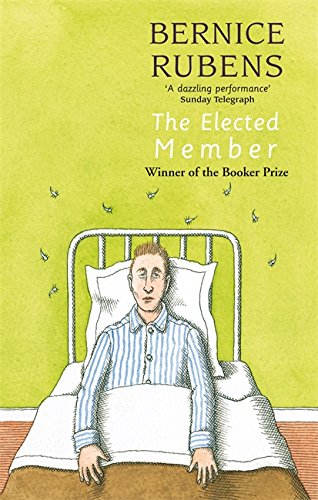
The Elected Member by Bernice Rubens, which won the Booker Prize (1969)


The Nice and the Good by Iris Murdoch (1968)


The Italian Girl by Iris Murdoch (1964)


The Unicorn by Iris Murdoch (1963)


The Old Men at the Zoo by Andgus Wilson, which is on Anthony Burgess's list of his favorite 99 novels (1961)


The Towers of Trebizond by Rose Macaulay (1956)


Anglo-Saxon Attitudes by Angus Wilson (1956)


Such Darling Dodos, short stories by Angus Wilson (1950)


England, Their England by A.G. Macdonell (1933)


Lady into Fox by David Garnett, which won the James Tait Black Prize (1922)


Saturday, July 16, 2016

Favorite Author: Ellis Peters


Ellis Peters is the pen name of British author Edith Mary Pargeter (1913 – 1995), who is best known for her two mystery series, although she also wrote historical fiction and nonfiction and translated Czech classics.

I'm reading her mystery series featuring police Inspector George Felse. Her medieval-detective series, The Cadfael Chronicles, featuring a Benedictine monk detective, is more popular and was adapted for tv starring Derek Jacobi as Brother Cadfael. I'll get to it one of these days.

Those I have read are in red; those on my TBR shelf are in blue.

Inspector George Felse Series
  1. Fallen into the Pit (1951)
  2. Death and the Joyful Woman (1961; Edgar Award Winner)
  3. Flight of a Witch (1964)
  4. A Nice Derangement of Epitaphs (1965)
  5. The Piper on the Mountain (1966)
  6. Black is the Colour of My True Love's Heart (1967)
  7. The Grass-Widow's Tale (1968)
  8. The House of Green Turf (1969)
  9. Morning Raga (1969)
  10. The Knocker on Death's Door (1970)
  11. Death to the Landlords (1972)
  12. City of Gold and Shadows (1973)
  13. Rainbow's End (1978)
Brother Cadfael Series
  1. A Morbid Taste for Bones (1977)
  2. One Corpse Too Many (1979)
  3. Monk's Hood (1980)
  4. St. Peter's Fair (1981)
  5. The Leper of St. Giles (1981)
  6. The Virgin in the Ice (1982)
  7. The Sanctuary Sparrow (1983)
  8. The Devil's Novice (1983)
  9. Dead Man's Ransom (1984)
  10. The Pilgrim of Hate (1984)
  11. An Excellent Mystery (1985)
  12. The Raven in the Foregate (1986)
  13. The Rose Rent (1986)
  14. The Hermit of Eyton Forest (1987)
  15. The Confession of Brother Haluin (1988)
  16. A Rare Benedictine: The Advent of Brother Cadfael (1988; three novellas)
  17. The Heretic's Apprentice (1989)
  18. The Potter's Field (1989)
  19. The Summer of the Danes (1991)
  20. The Holy Thief (1992)
  21. Brother Cadfael's Penance (1994)

NOTES

If you have any posts about Ellis Peter's books, please leave a comment with a link and  I will list it here.

Favorite Author: Ellis Peters


Ellis Peters is the pen name of British author Edith Mary Pargeter (1913 – 1995), who is best known for her two mystery series, although she also wrote historical fiction and nonfiction and translated Czech classics.

I'm reading her mystery series featuring police Inspector George Felse. Her medieval-detective series, The Cadfael Chronicles, featuring a Benedictine monk detective, is more popular and was adapted for tv starring Derek Jacobi as Brother Cadfael. I'll get to it one of these days.

Those I have read are in red; those on my TBR shelf are in blue.

Inspector George Felse Series
  1. Fallen into the Pit (1951)
  2. Death and the Joyful Woman (1961; Edgar Award Winner)
  3. Flight of a Witch (1964)
  4. A Nice Derangement of Epitaphs (1965)
  5. The Piper on the Mountain (1966)
  6. Black is the Colour of My True Love's Heart (1967)
  7. The Grass-Widow's Tale (1968)
  8. The House of Green Turf (1969)
  9. Morning Raga (1969)
  10. The Knocker on Death's Door (1970)
  11. Death to the Landlords (1972)
  12. City of Gold and Shadows (1973)
  13. Rainbow's End (1978)
Brother Cadfael Series
  1. A Morbid Taste for Bones (1977)
  2. One Corpse Too Many (1979)
  3. Monk's Hood (1980)
  4. St. Peter's Fair (1981)
  5. The Leper of St. Giles (1981)
  6. The Virgin in the Ice (1982)
  7. The Sanctuary Sparrow (1983)
  8. The Devil's Novice (1983)
  9. Dead Man's Ransom (1984)
  10. The Pilgrim of Hate (1984)
  11. An Excellent Mystery (1985)
  12. The Raven in the Foregate (1986)
  13. The Rose Rent (1986)
  14. The Hermit of Eyton Forest (1987)
  15. The Confession of Brother Haluin (1988)
  16. A Rare Benedictine: The Advent of Brother Cadfael (1988; three novellas)
  17. The Heretic's Apprentice (1989)
  18. The Potter's Field (1989)
  19. The Summer of the Danes (1991)
  20. The Holy Thief (1992)
  21. Brother Cadfael's Penance (1994)

NOTES

If you have any posts about Ellis Peter's books, please leave a comment with a link and  I will list it here.

Thursday, July 14, 2016

Book Beginning: Grandma Says: Wake Up, World!


THANKS FOR JOINING ME ON FRIDAYS FOR BOOK BEGINNING FUN!

Please join me every Friday to share the first sentence (or so) of the book you are reading, along with your initial thoughts about the sentence, impressions of the book, or anything else the opener inspires. Please remember to include the title of the book and the author’s name.

EARLY BIRDS & SLOWPOKES: This weekly post goes up Thursday evening for those who like to get their posts up and linked early on. But feel free to add a link all week.

FACEBOOK: Rose City Reader has a Facebook page where I post about new and favorite books, book events, and other bookish tidbits, as well as link to blog posts. I'd love a "Like" on the page! You can go to the page here to Like it. I am happy to Like you back if you have a blog or professional Facebook page, so please leave a comment with a link and I will find you.

TWITTER, ETC: If you are on Twitter, Google+, or other social media, please post using the hash tag #BookBeginnings. I try to follow all Book  Beginnings participants on whatever interweb sites you are on, so please let me know if I have missed any and I will catch up.

TIE IN: The Friday 56 hosted by Freda's Voice is a natural tie in with this event and there is a lot of cross over, so many people combine the two. The idea is to post a teaser from page 56 of the book you are reading and share a link to your post. Find details and the Linky for your Friday 56 post on Freda’s Voice.

YOUR BOOK BEGINNING


MY BOOK BEGINNING


I remember how hard it was when I was a child growing up because in those times, in Lincoln County, there was signs on restaurants and different places where Indians and dogs weren't allowed.
-- Grandma Says: Wake Up, World! by Taowhywee, Agnes Baker Pilgrim, published by Blackstone Publishing. This is a collection of the "wisdom, wit, advice, and stories of 'Grandma Aggie'" the oldest living member of the Takelma Tribe of Oregon.

Agnes Baker Pilgrim is a Native American spiritual elder who lives in Grants Pass, Oregon. She is honored as a "Living Treasure" by the Confederated Tribes of Siletz and the Oregon Council of the Arts calls her a "Living Cultural Legend."

"Grandma Aggie" here speaks in her own voice, telling the stories of her childhood and her tribe, and discussing contemporary issues. The audiobook is part of Blackstone Audio's The Legacy Of The First Nation, Voices of a Generation Series.

Grandma Says: Wake Up, World! is available in paperback, and also in a Kindle edition, although the audiobook recording Agnes Baker Pilgrim's own voice is the best way to experience this work.

Related Posts Plugin for WordPress, Blogger...