Thursday, September 27, 2018

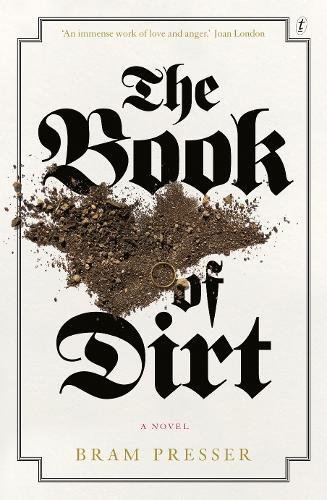
Book Beginning: The Book of Dirt by Bram Presser

BOOK BEGINNINGS ON FRIDAYS

THANKS FOR JOINING ME ON FRIDAYS FOR BOOK BEGINNING FUN!

MY BOOK BEGINNING


In the region of T, not far from the city of U, there once stood a village that had been in Poland, then Hungary, then Subcarpathian Ruthenia, then Czechoslovakia, then Slovakia, then Hungary again, then Union of Soviet Socialist Republics, then the Ukraine and now cannot be found on any map.

-- The Book of Dirt by Bram Presser. Presser weaves family history with fiction, historic photos and documents to recreate his grandparents' Holocaust story.


Please join me every Friday to share the first sentence (or so) of the book you are reading, along with your initial thoughts about the sentence, impressions of the book, or anything else the opener inspires. Please remember to include the title of the book and the author’s name.

EARLY BIRDS & SLOWPOKES: This weekly post goes up Thursday evening for those who like to get their posts up and linked early on. But feel free to add a link all week.

FACEBOOK: Rose City Reader has a Facebook page where I post about new and favorite books, book events, and other bookish tidbits, as well as link to blog posts. I'd love a "Like" on the page! You can go to the page here to Like it. I am happy to Like you back if you have a blog or professional Facebook page, so please leave a comment with a link and I will find you.

TWITTER, ETC: If you are on Twitter, Instagram, Google+, or other social media, please post using the hash tag #BookBeginnings. I try to follow all Book  Beginnings participants on whatever interweb sites you are on, so please let me know if I have missed any and I will catch up.

TIE IN: The Friday 56 hosted by Freda's Voice is a natural tie in with this event and there is a lot of cross over, so many people combine the two. The idea is to post a teaser from page 56 of the book you are reading and share a link to your post. Find details and the Linky for your Friday 56 post on Freda’s Voice.

YOUR BOOK BEGINNING


Wednesday, September 26, 2018

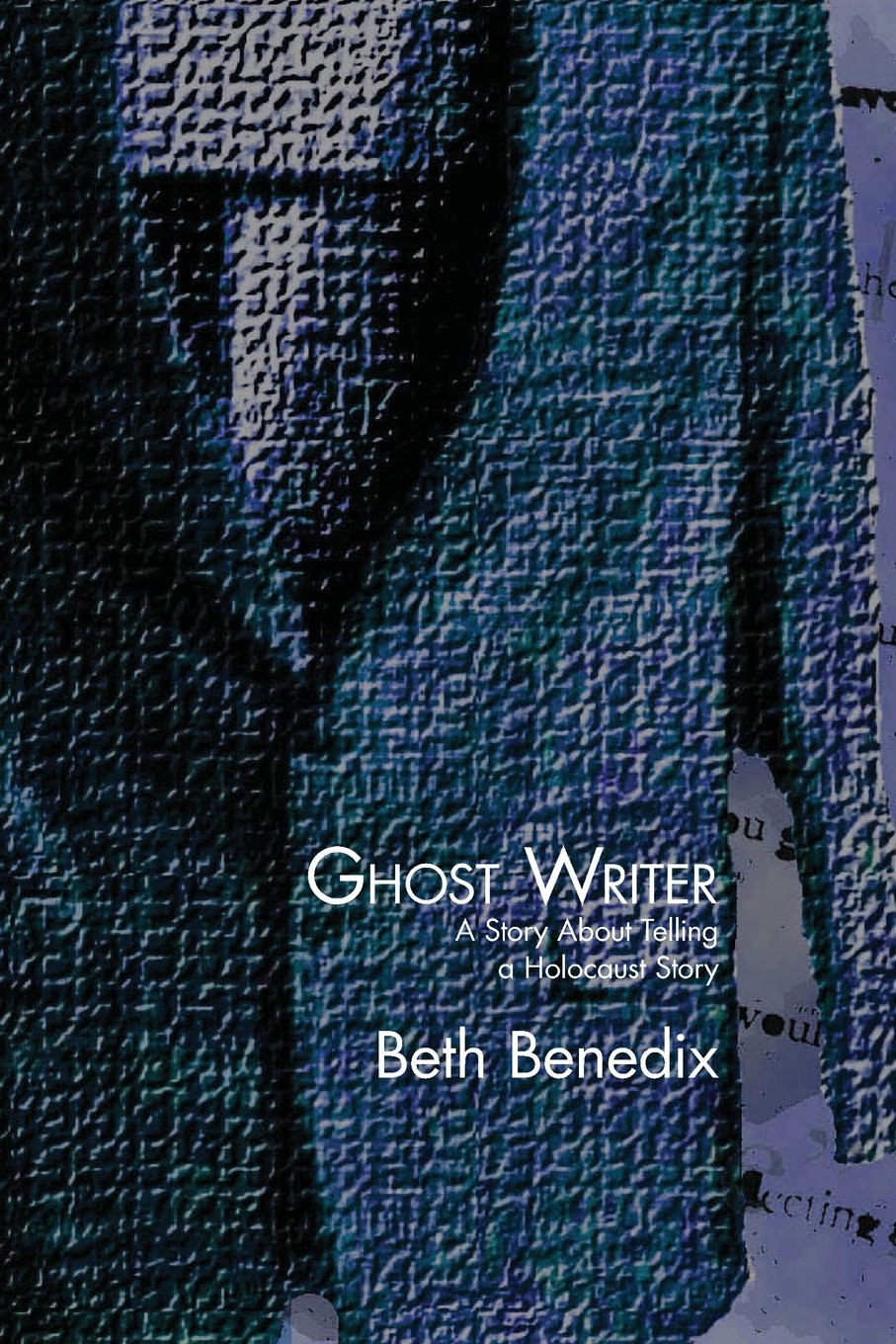
Author Interview: Beth Benedix


Beth Benedix is the author of Ghost Writer: A Story About Telling a Holocaust Story. While she was ghostwriting a memoir for a holocaust survivor, he urged Beth to write her own story about what it was like to confront the challenge of telling someone else's history when it "swelled beyond its own boundaries."


Beth recently answered questions for Rose City Reader. Find out more about the author of Ghost Writer and get to know the woman behind the book.


Before we get to your book, Ghost Writer, can you introduce us briefly to Joe Koenig?

Yes, of course. Joe is such a remarkable man, and I just hope I’ve been able to do him justice in the book. His story of survival during the Holocaust is itself extraordinary—by the time he was seventeen, he had lost his entire family, been imprisoned in four camps (including a work camp that he snuck into, intuiting that he would be safer inside than alone in the rural outskirts of Czestochowa, Poland), and survived two death marches. To me, it’s the way he lives in the midst of this story, the way he lives without dwelling, that I find so breathtaking. In the book, I describe him as the epitome of swagger—which, to me, is the quality of creating your own boundaries, setting your own course, defining the world in your own terms. Joe’s intuition is everything—he moves in the space of his own boundaries—somehow always knowing what next step to take. I find the way he approaches his life to be so… healthy, so affirmative. For him, it’s all about family and love. Throughout the writing of the book, I couldn’t shake the feeling that the best way to describe him was as a philosopher, in that he seemed to be describing a way of being and moving through the world. But his philosophy is the most embodied, authentic and down-to-earth I’ve ever seen, and I came away holding him up as a model of yes-saying. It’s a way of being in the world that I would very much like to emulate.

How did ghostwriting Koenig’s memoir lead to writing your book, Ghost Writer: A Story About Telling a Holocaust Story?

Well, technically, I never really did ghostwrite Joe’s memoir. I tried to do this—in the form of a third person narrative of his story of survival (included in the book), which I provided to Joe’s family. But even the original third person narrative had elements of my first-person attempts to nail down the story, to frame and contextualize the narrative I was hearing. I don’t actually consider myself a ghostwriter, in that I knew from the beginning that whatever form the book would eventually take needed to be a departure from standard ghostwritten accounts. The title is a nod to that departure... in separating the two terms (ghost and writer), the emphasis is on all of the “ghosts” that loom over the telling of the story, that intrude into this narrative that resists closure.

Who is your intended audience and what do you hope your readers will gain from your book?

I’m very much hoping to start a conversation with as diverse an audience as possible about what it means to tell another person’s story—about the obligations and limitations of memory and the ways in which telling our stories, and listening to the stories of others, brings us together. I wrote this book, specifically, because I feel there is an urgency to collect Holocaust survivors’ stories before there are no longer survivors left to tell them. But I also feel, generally, that there is an urgency to change the way we tell these stories—and all stories of survival and memory. I very much wanted to disrupt the monological strain, the one-directional mode, that so often dominates survivor testimony. It’s the dialogue, the back-and-forth, the moments of encounter and recognition that most authentically preserve and pass on memory, I’ve come to find.

I see my audience as people who are interested in Holocaust narratives and history, and, more broadly, as people who are interested in process-driven narrative non-fiction. I hope readers will come away feeling like they have met a remarkable man, and considering the possibility that memory-collecting is a raw, unscripted and sometimes messy affair.

Do you have recommendations for other books about the Holocaust or Holocaust survivors?

Elie Wiesel’s Night and Primo Levi’s Survival in Auschwitz are two memoirs that I find extremely powerful. In both cases, there is a stark beauty in the prose that conveys the immediacy of the horror they’ve experienced. I go back to Night again and again.

Nicole Krauss’s novel, The History of Love, is one of the most beautiful books I have ever read. The relationship at the center of the book between a Holocaust survivor and a young girl in many, many ways influenced my sense that these stories told now must be about convergence, about paths crossing. This is how we remember, how we preserve memory.

Other books that deeply influenced my thinking are Henry Greenspan’s On Listening to Holocaust Survivors and Peter Haas’ Morality After Auschwitz: The Radical Challenge of the Nazi Ethic. John K. Roth’s vast body of work has shaped my studies and approach, and is a must for anyone who is thinking about the philosophical and theological implications of the Holocaust.

Do you have recommendations for other books about writing and storytelling?

Oh, my goodness, there are so many! The ones that most heavily influenced my writing are self-conscious memoirs with narrators who are talking deliberately about process and second-guessing themselves along the way. My two biggest influences are Dave Eggers’ A Heartbreaking Work of Staggering Genius and David Harris-Gershon’s What do you Buy the Children of the Terrorist who Tried to Kill your Wife? Susanna Kaysen’s Girl, Interrupted is also a favorite—I love the fragmented quality of her writing and the way she uses original documents to frame her story.

Mary Karr’s The Art of Memoir and Stephen King’s On Writing are two books on the craft of storytelling that speak the most to me.

What did you learn from writing your book – either about the subject of the book or the writing process – that most surprised you?

I don’t think it’s an exaggeration to say that writing this book was a life-changing experience for me. Everything feels different now, more applied, more high stake. I’ve learned from Joe (am trying to learn) the art of perspective, of recognizing what matters and what doesn’t. About the writing process—I’ve learned that it really is a process. The book was nine years in the making, and in many ways I feel I’m still circling around the subject. It will never feel done to me, and I’m surprised to learn that I am completely okay with that lack of closure.

What is your work background? How did it lead you to writing this book?

I am a professor at DePauw University. My background is in comparative literature, with an emphasis on Modern Jewish writers, religious studies, and philosophy. Comp Lit is by nature an interdisciplinary field, one that doesn’t fit neatly into any particular category, and it allows a great deal of freedom to explore connections and intersections among ideas and genres. It’s kind of a marginal, liminal space, a space I feel really comfortable in. Looking back, I think this background—maybe my being drawn to Comp Lit in the first place—was key to my being able to conceive of Ghost Writer in the way that I did. It’s an assumption of the field (and one that I very much share) that no single lens will ever capture the thing in front of you—it’s about the constant shifting of lenses, the collecting of multiple perspectives, the perpetual circling around the subject. This is how I always imagined the book needed to take shape, with the process itself at the center of the story.

I also teach a good deal of writing in my classes, and work closely with all of my students to help them to find the arc of the stories they want to tell. I love these conversations, because they always begin with the questions that each student has about the material we’re reading, the things each student finds most compelling and worth puzzling through, and each conversation always starts with my just sitting and listening closely to their narratives, collecting their thoughts, and helping them to identify patterns in their thinking. I think perhaps I really honed this approach through my relationship with Joe, through our interactions that involved listening more than anything. And in the process of these conversations with students, so, so many shapes and story arcs and approaches emerged. It has begun to make an embodied sense to me that writing is always an act of listening, shaping, and re-shaping. It has been a tremendous gift to learn from my students and to be able to share what I’ve learned from the process of writing this book with them.

What do you like to read? What books are on your nightstand right now?

I am a huge fan of Kafka, Nietzsche, Murakami, and all things dark and existential. Right now, I’m reading two wonderful collections of short stories, one by Lesley Nneka Arimah, What it Means When a Man Falls From the Sky, the other by Helen Oyeyemi, What is Not Yours is Not Yours.

My favorite books of all time are Lolita, The Stranger, Madame Bovary, and Dara Horn’s The World to Come. The book on my nightstand (which has been there for a while) is my friend’s copy of roscitrea-20Beezlebub’s Tales to his Grandson (it’s slow going but I very much want to get through it!).

What is the most valuable advice you’ve been given as an author?

My friend, Tom Chiarella, novelist, longtime writer for Esquire and freelance journalist once told me: “You can start any piece of writing with the word ‘so’”—as in, “so, I’m sitting here with these interview questions trying to come up with perfectly-crafted answers…” It throws your audience immediately into the world you’re trying to throw them into, establishes a kind of intimacy, and lets people know exactly where you’re coming from. It’s all about transparency, revealing your thought process. I don’t know how many times this little gem saved me from the paralysis of the blank page, or how many times I shared it with my students to help them get started on their own projects.

What’s next? What are you working on now?

Right now, I’m working on marketing this book and gaining an audience. It’s a welcome transition, this crossing-over from academic writing to a general audience, and I’m very much hoping to have the opportunity to meet and talk with people and to hear what they think about Ghost Writer. I’m waiting for the next writing project to announce itself to me.

In the meantime, I’m busy being a mom, teaching, directing a nonprofit organization I founded called The Castle that brings integrated arts and project-based learning experiences into public schools in Putnam County, IN, and gigging as much as possible with my band, Black Market Vinyl. Joe taught me, among many other things, to grab every moment, which I’m trying to do.


THANKS, BETH!

GHOST WRITER IS AVAILABLE ON LINE, OR ASK YOUR LOCAL BOOK SELLER TO ORDER IT!


Tuesday, September 25, 2018

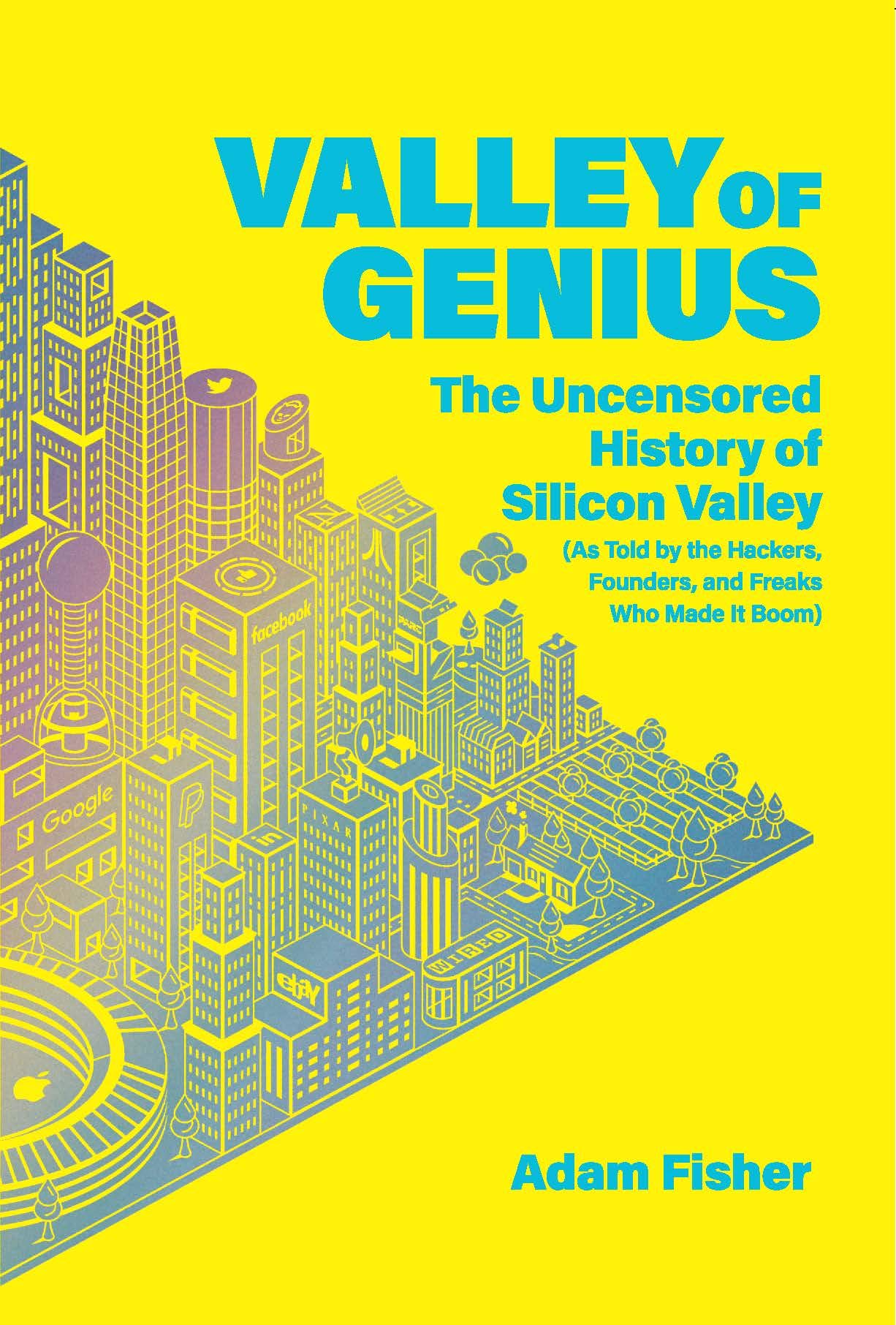
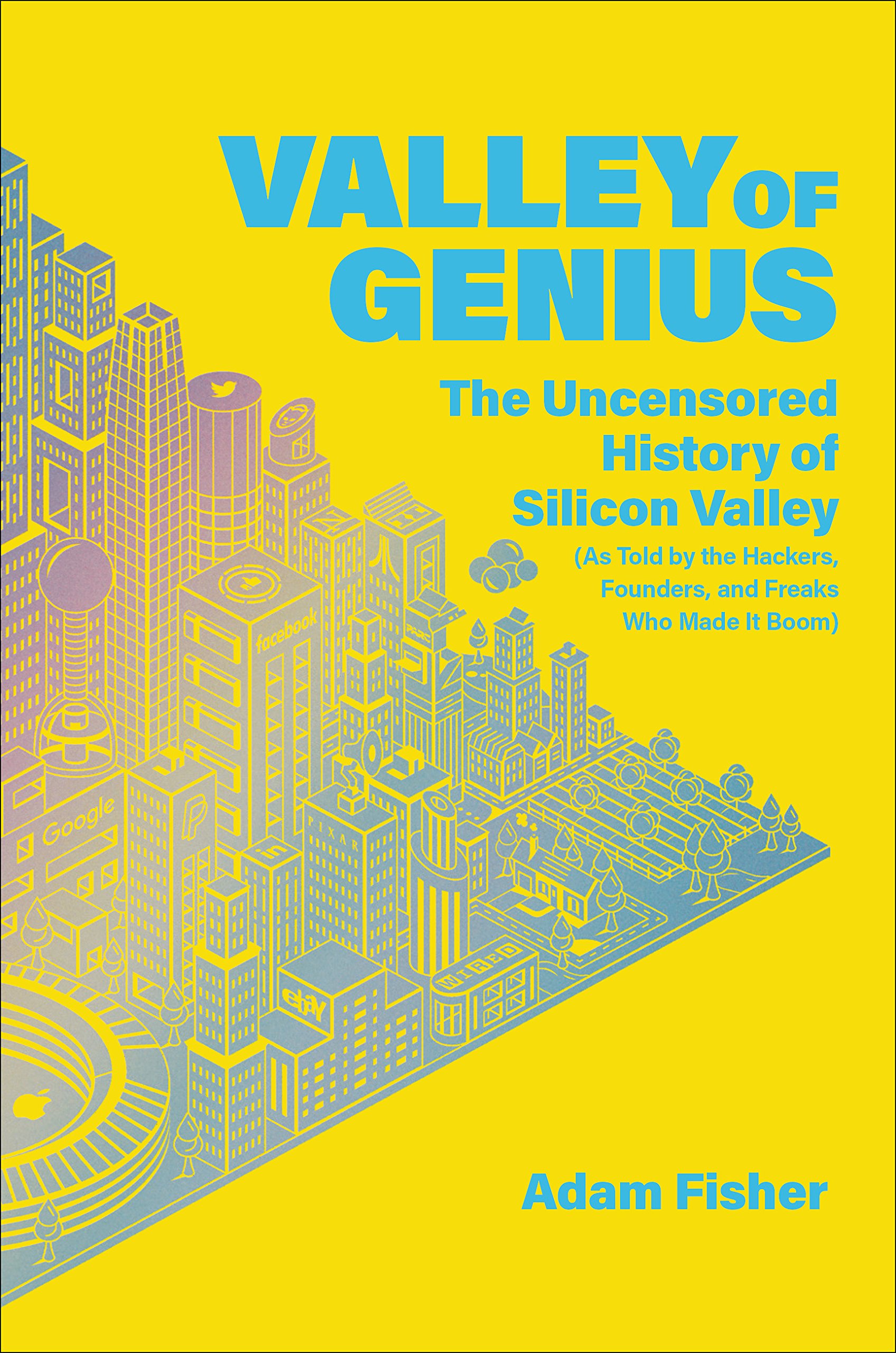
Teaser Tuesday: Valley of Genius by Adam Fisher


Steve Wozniak: The story of Apple is a little misunderstood. It's not like Steve and I did it ourselves.

-- Valley of Genius: The Uncensored History of Silicon Valley (As Told by the Hackers, Founders, and Freaks Who Made It Boom) by Adam Fisher.

Fisher compiled thousands of hours of his own interviews with everyone from Steve Jobs and Steve Wozniak to the founders of Facebook, then trimmed them down into a compelling oral-history of Silicon Valley.


Teaser Tuesdays is hosted by The Purple Booker, where you can find the official rules for this weekly event.

Monday, September 24, 2018

Mailbox Monday: Memoir, History, and Historical Fiction

What books came into your house last week? Three interesting volumes came my way:


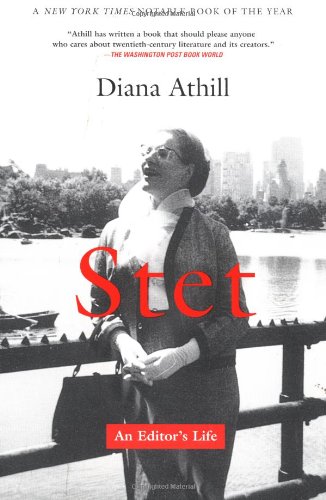
Stet: An Editor's Life by Diana Athill. This memoir of her life in publishing by legendary editor Diana Athill (alive at 100) is my book club book for November.


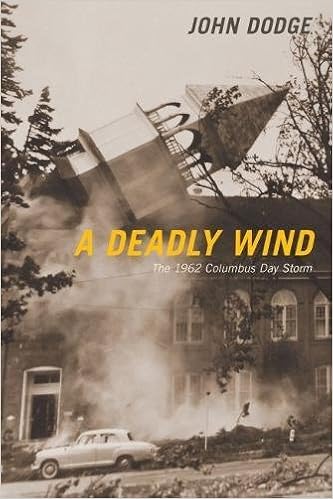
A Deadly Wind: The 1962 Columbus Day Storm by John Dodge. This is a new, comprehensive history of Oregon's most famous storm. OSU Press launched a Facebook group, here, for people to share stories and photos from the storm.


The Book of Dirt by Bram Presser. This is Presser’s first novel, inspired by his own family’s history of surviving the Holocaust.


Thanks for joining me for Mailbox Monday, a weekly "show & tell" blog event where participants share the books they acquired the week before. Visit the Mailbox Monday website to find links to all the participants' posts and read more about Books that Caught our Eye.

Mailbox Monday is graciously hosted by Leslie of Under My Apple Tree, Serena of Savvy Verse & Wit, and Martha of Reviews by Martha's Bookshelf.


Thursday, September 20, 2018

Book Beginning: Without Reservations: The Travels of an Independent Woman by Alice Steinbach

BOOK BEGINNINGS ON FRIDAYS

THANKS FOR JOINING ME ON FRIDAYS FOR BOOK BEGINNING FUN!

MY BOOK BEGINNING


Dear Alice, Each morning I am awakened by the sound of a tinkling bell.

-- Without Reservations: The Travels of an Independent Woman by Alice Steinbach. Each chapter of this memoir starts with the text of a postcard the author sent home to herself while she spent a year in Europe, away from her job as a popular Baltimore journalist.


Please join me every Friday to share the first sentence (or so) of the book you are reading, along with your initial thoughts about the sentence, impressions of the book, or anything else the opener inspires. Please remember to include the title of the book and the author’s name.

EARLY BIRDS & SLOWPOKES: This weekly post goes up Thursday evening for those who like to get their posts up and linked early on. But feel free to add a link all week.

FACEBOOK: Rose City Reader has a Facebook page where I post about new and favorite books, book events, and other bookish tidbits, as well as link to blog posts. I'd love a "Like" on the page! You can go to the page here to Like it. I am happy to Like you back if you have a blog or professional Facebook page, so please leave a comment with a link and I will find you.

TWITTER, ETC: If you are on Twitter, Instagram, Google+, or other social media, please post using the hash tag #BookBeginnings. I try to follow all Book  Beginnings participants on whatever interweb sites you are on, so please let me know if I have missed any and I will catch up.

TIE IN: The Friday 56 hosted by Freda's Voice is a natural tie in with this event and there is a lot of cross over, so many people combine the two. The idea is to post a teaser from page 56 of the book you are reading and share a link to your post. Find details and the Linky for your Friday 56 post on Freda’s Voice.

YOUR BOOK BEGINNING


Tuesday, September 18, 2018

Teaser Tuesday: The Girl Inside Me: Poems by Javelin Hardy


There is a little girl inside of me
Trapped, afraid and wanting to be set free.
But I'm 33 now --
What is this little girl doing inside of me?

-- From the title poem in The Girl Inside Me: Poems by Javelin Hardy. Hardy draws on her training and background as a counselor to tell her own story of recovery from abuse in this beautiful book of poetry and historic photographs.


Teaser Tuesdays is hosted by The Purple Booker, where you can find the official rules for this weekly event.

Monday, September 17, 2018

Mailbox Monday: Philip Roth

What books came into your house last week? I filled in my Philip Roth TBR shelf with two of his books I haven't read yet.

Roth is one of my favorites and I plan to read all of his books, hits and misses. I’ve read 12 of 31 so far, according to the list I keep here on the blog (see Favorite Authors tab above or list in right column).


Reading Myself and Others, a collection of essays about reading and writing.

The Dying Animal, the last book in his David Kepesh trilogy. The trilogy starts with The Breast, which I haven't read and is generally panned. I read the second one a few months ago, The Professor of Desire, and thought it was great.

I know a lot of women don't like to read Philip Roth, or the other male writers of his generation. I do. I tend to prefer "mid-century" (20th) authors both sexes because I'm drawn to books with hefty plots, omniscient third-person narrators, and a minimum of experimentation. And I like to read books by male authors because I like men and want to understand them. They don't think the same way my women friends and I do!

Which authors do you love so much you want to read all their books? How do you keep track?


Thanks for joining me for Mailbox Monday, a weekly "show & tell" blog event where participants share the books they acquired the week before. Visit the Mailbox Monday website to find links to all the participants' posts and read more about Books that Caught our Eye.

Mailbox Monday is graciously hosted by Leslie of Under My Apple Tree, Serena of Savvy Verse & Wit, and Martha of Reviews by Martha's Bookshelf.

Saturday, September 15, 2018

Favorite Author: Benjamin Black


Benjamin Black is the pen name of Irish author John Banville. Writing in his own name, Banville won the Booker Prize in 2005 for The Sea, which I loved, but I've only read one of his other novels and don't plan to undertake reading all of them any time soon.

The mysteries he writes as Benjamin Black, on the other hand, enchant me. In particular, his Quirke series puts me under a spell so I feel like I'm right there in 1950s Dublin. That may partly be due to the audiobook reading by actor Timothy Dalton who does such a superb job on the first three.

Banville's Benjamin Black books are below. In addition to the Quirke series, he has written two stand-alone mysteries and a Philip Marlowe novel. Those I have read are in red. Those on my TBR shelf are in blue.

Quirke series


The Lemur (2008)
The Black-Eyed Blonde, a Philip Marlowe novel (2014)
Wolf on a String (2017) (published in the UK as Prague Nights)
The Secret Guests (2020)


NOTE: Updated June 24, 2022


Thursday, September 13, 2018

Book Beginning: Valley of Genius by Adam Fisher

BOOK BEGINNINGS ON FRIDAYS

THANKS FOR JOINING ME ON FRIDAYS FOR BOOK BEGINNING FUN!

MY BOOK BEGINNING


I grew up in what is now known as Silicon Valley. Only in retrospect does it seem like an unusual place.

-- Valley of Genius: The Uncensored History of Silicon Valley (As Told by the Hackers, Founders, and Freaks Who Made It Boom) by Adam Fisher.

This is a fascinating book, even for someone like me who has no connection to the high tech world of Silicon Valley, other than my iPhone.


Please join me every Friday to share the first sentence (or so) of the book you are reading, along with your initial thoughts about the sentence, impressions of the book, or anything else the opener inspires. Please remember to include the title of the book and the author’s name.

EARLY BIRDS & SLOWPOKES: This weekly post goes up Thursday evening for those who like to get their posts up and linked early on. But feel free to add a link all week.

FACEBOOK: Rose City Reader has a Facebook page where I post about new and favorite books, book events, and other bookish tidbits, as well as link to blog posts. I'd love a "Like" on the page! You can go to the page here to Like it. I am happy to Like you back if you have a blog or professional Facebook page, so please leave a comment with a link and I will find you.

TWITTER, ETC: If you are on Twitter, Instagram, Google+, or other social media, please post using the hash tag #BookBeginnings. I try to follow all Book  Beginnings participants on whatever interweb sites you are on, so please let me know if I have missed any and I will catch up.

TIE IN: The Friday 56 hosted by Freda's Voice is a natural tie in with this event and there is a lot of cross over, so many people combine the two. The idea is to post a teaser from page 56 of the book you are reading and share a link to your post. Find details and the Linky for your Friday 56 post on Freda’s Voice.

YOUR BOOK BEGINNING


Wednesday, September 12, 2018

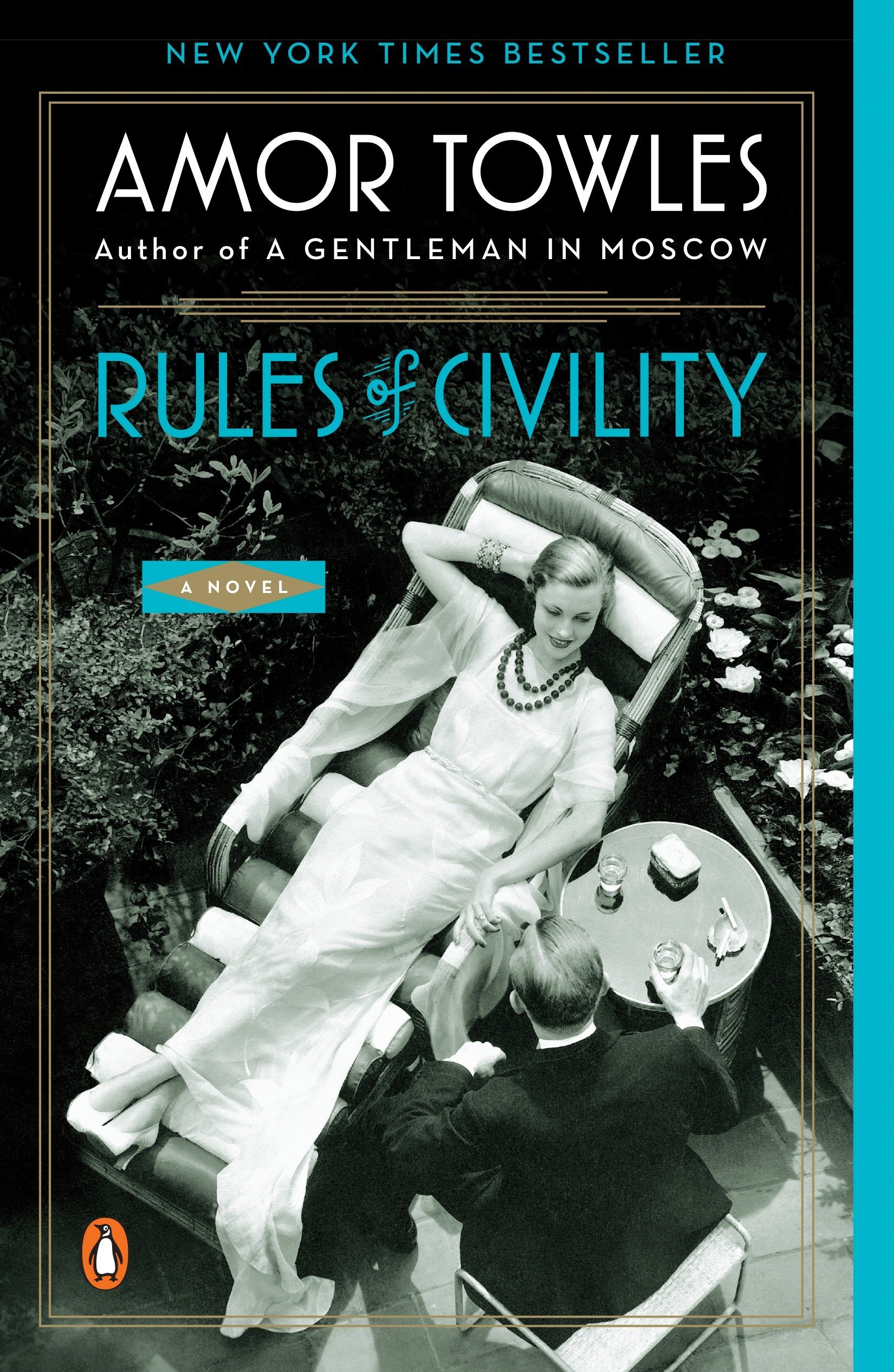
What Are They Reading? Rules of Civility by Amor Towles


Authors tend to be readers, so it is natural for them to create characters who like to read. It is always interesting to me to read what books the characters are reading in the books I read. Even if I can't say that ten times fast.

Usually, the characters' choice of books reflects the author's tastes or, I sometimes think, what the author was reading at the time. But sometimes the character's reading material is a clue to the character's personality, or is even a part of the story.

This is an occasional blog event. If anyone wants to join in, grab the button, put up a post, and leave leave a comment with a link to your post.


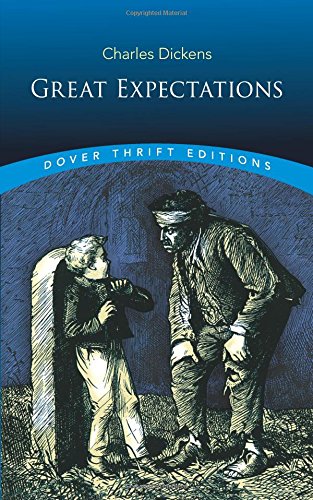
Katey Kontent, the narrator and heroine of Towles's debut novel, spends a lot of her free time reading and discussing books. Her favorite is Great Expectations by Charles Dickens, which she reads over and over. Katie is the daughter of Russian immigrants, grew up in New York City, and uses her smarts and wit to build a career and find her own place in high society. It is understandable that she would be drawn to Pip's complicated story of personal growth.


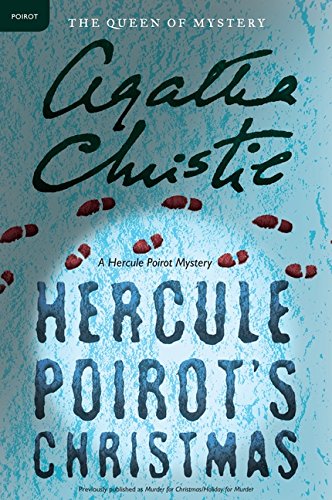
When Katey's personal life becomes most confusing, she develops a taste for Agatha Christie. By 1938, when most of the novel takes place, Christie had published 30 books, and two came out in 1938. In one of the best scenes in Towles's book, Katey settles in for Christmas Eve 1938 alone, with a 10-pound ham from her boss, a bottle of bourbon, and the newly-released Hercule Poirot’s Christmas.


The title, Rules of Civility, comes from another book, George Washington's Rules of Civility (& Decent Behavior in Company and Conversation), a list of 110 maxims that Washington had written in his own handwriting as a school boy. Katey finds a well-thumbed copy of the George Washington book in protagonist Tinker Grey's apartment and later buy's a secondhand copy for herself. There is an appendix in the Towles book listing the 110 rules.


I loved Rules of Civility as much as I did Towles's second book, A Gentleman in Moscow. I can't wait to see what he writes next.


Tuesday, September 11, 2018

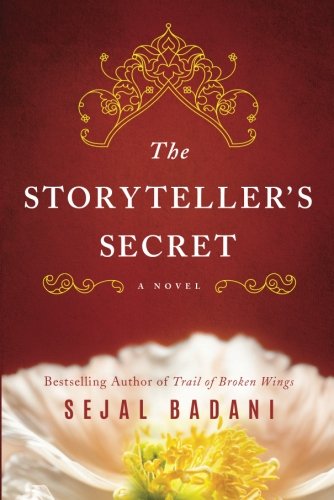
Teaser Tuesday: The Storyteller's Secret by Sejal Badani


I remember my own baby pictures where a large black dot figured prominently on my temple.  Mom explained to me once that the black mark was the best way to protect a child against God's eyes. 
-- The Storyteller's Secret by Sejal Badani. The narrator is Jaya, a New York journalist traveling to India to recover after miscarriages and divorce. While there, she learns the story of her grandmother, a school teacher in the 1930s, during the British occupation.


Teaser Tuesdays is hosted by The Purple Booker, where you can find the official rules for this weekly event.


Thursday, September 6, 2018

Book Beginning: The Storyteller's Secret by Sejal Badani

BOOK BEGINNINGS ON FRIDAYS

THANKS FOR JOINING ME ON FRIDAYS FOR BOOK BEGINNING FUN!

MY BOOK BEGINNING


I was five years old when I begged my mother for a dog.

The Storyteller's Secret by Sejal Badani. Jaya, a New York journalist, has traveled to India to recover from personal heartbreak and uncover her family's past secrets. The story moves between Jaya's present day experiences and those of her grandmother in the 1930s, during the British occupation.

The Storyteller's Secret has all the makings of a Book Club favorite.


Please join me every Friday to share the first sentence (or so) of the book you are reading, along with your initial thoughts about the sentence, impressions of the book, or anything else the opener inspires. Please remember to include the title of the book and the author’s name.

EARLY BIRDS & SLOWPOKES: This weekly post goes up Thursday evening for those who like to get their posts up and linked early on. But feel free to add a link all week.

FACEBOOK: Rose City Reader has a Facebook page where I post about new and favorite books, book events, and other bookish tidbits, as well as link to blog posts. I'd love a "Like" on the page! You can go to the page here to Like it. I am happy to Like you back if you have a blog or professional Facebook page, so please leave a comment with a link and I will find you.

TWITTER, ETC: If you are on Twitter, Instagram, Google+, or other social media, please post using the hash tag #BookBeginnings. I try to follow all Book  Beginnings participants on whatever interweb sites you are on, so please let me know if I have missed any and I will catch up.

TIE IN: The Friday 56 hosted by Freda's Voice is a natural tie in with this event and there is a lot of cross over, so many people combine the two. The idea is to post a teaser from page 56 of the book you are reading and share a link to your post. Find details and the Linky for your Friday 56 post on Freda’s Voice.

YOUR BOOK BEGINNING


Tuesday, September 4, 2018

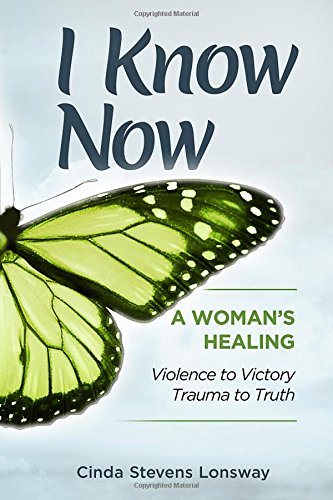
Teaser Tuesday: I Know Now by Cinda Stevens Lonsway


Something magical just happened. I feel different, altered, changed.

-- I Know Now: A Woman's Healing: Violence to Victory, Trauma to Truth by Cinda Stevens Lonsway. This memoir is the story of Cinda's survival after a violent attack at age 19, her struggle to heal from that trauma when she became a mother, and the "sacred insight" she finally found.


Teaser Tuesdays is hosted by The Purple Booker, where you can find the official rules for this weekly event.

Monday, September 3, 2018

Mailbox Labor Day Monday: Transcendental Concord

My friend Kirsten Rian wrote the concluding essay in a new, hauntingly beautiful book of art photography documenting the Transcendentalists of Concord, Massachusetts. She surprised me the other day with a copy of this lovely new book.


Transcendental Concord, photography by Lisa McCarty, texts by Kirsten Rian and Rebecca Norris Webb, published by Radius Books.

PUBLISHER'S DESCRIPTION: Transcendental Concord documents the spirit of Transcendentalism, the literary and philosophical movement that arose in the mid-19th century. While the circle of Transcendentalists in New England was wide, at its center was a core group that lived in Concord, Massachusetts. Bronson Alcott and daughter Louisa May Alcott, Ralph Waldo Emerson, Nathaniel Hawthorne, and Henry David Thoreau lived within a few miles of each other for nearly 20 years, regularly meeting in each other’s homes and on the paths of Walden Woods to discuss their writings and beliefs. In the course of a year and in every season North-Carolina based photographer Lisa McCarty photographed the sites where these Transcendentalists lived and wrote in Concord. McCarty’s parallel reverence for the natural world is evident in her photographs which point to large and small variations in environment, season and light. McCarty uses long exposures and camera movement in order to capture these variations. Transcendental Concord pays homage to Transcendentalism not only in capturing a shared landscape, but in McCarty’s technique: her keen observation of natural phenomena and openness to experimentation and chance.

What books came into your house last week?


Thanks for joining me for Mailbox Monday, a weekly "show & tell" blog event where participants share the books they acquired the week before. Visit the Mailbox Monday website to find links to all the participants' posts and read more about Books that Caught our Eye.

Mailbox Monday is graciously hosted by Leslie of Under My Apple Tree, Serena of Savvy Verse & Wit, and Martha of Reviews by Martha's Bookshelf.

Happy Labor Day!


I wish my Labor Day looked like this! Instead, I'm on a cross country airplane, on my way to a week long conference in Orlando, Florida. There are plenty of nice things about Florida, but its convenience to my home in Portland, Oregon is not one of them.

Thursday, August 30, 2018

Book Beginning: The Girl Inside Me: Poems by Javelin Hardy

BOOK BEGINNINGS ON FRIDAYS

THANKS FOR JOINING ME ON FRIDAYS FOR BOOK BEGINNING FUN!

MY BOOK BEGINNING


Being raised in a small Southern town has its positive and negative sides. On the positive side, most Southern people I know are the best cooks and lovers I've met. 

-- From the author's introduction, "Minden," to The Girl Inside Me: Poems by Javelin Hardy. In this beautiful collection of poems, Hardy draws on her training and background as a counselor to tell her own story of recovery from abuse.


Please join me every Friday to share the first sentence (or so) of the book you are reading, along with your initial thoughts about the sentence, impressions of the book, or anything else the opener inspires. Please remember to include the title of the book and the author’s name.

EARLY BIRDS & SLOWPOKES: This weekly post goes up Thursday evening for those who like to get their posts up and linked early on. But feel free to add a link all week.

FACEBOOK: Rose City Reader has a Facebook page where I post about new and favorite books, book events, and other bookish tidbits, as well as link to blog posts. I'd love a "Like" on the page! You can go to the page here to Like it. I am happy to Like you back if you have a blog or professional Facebook page, so please leave a comment with a link and I will find you.

TWITTER, ETC: If you are on Twitter, Instagram, Google+, or other social media, please post using the hash tag #BookBeginnings. I try to follow all Book  Beginnings participants on whatever interweb sites you are on, so please let me know if I have missed any and I will catch up.

TIE IN: The Friday 56 hosted by Freda's Voice is a natural tie in with this event and there is a lot of cross over, so many people combine the two. The idea is to post a teaser from page 56 of the book you are reading and share a link to your post. Find details and the Linky for your Friday 56 post on Freda’s Voice.

YOUR BOOK BEGINNING


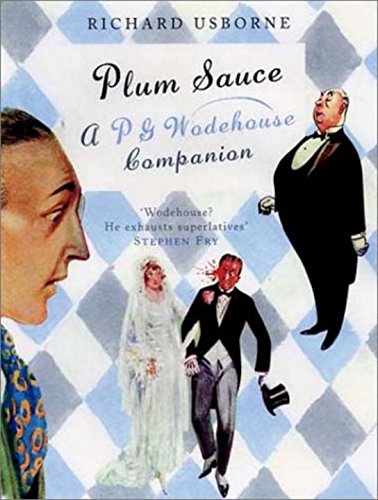
Book Notes: Plum Sauce by P.G. Wodehouse - Aunt Dahlia


It’s dahlia time! As soon as the roses fade away, the dahlias step up and take their place. I love the exuberance of these garden show offs.

P.G. Wodehouse named the nicer of Bertie Wooster’s two aunts, Aunt Dahlia. He described her as “a large, genial soul” built along the lines of Mae West, and praised for “her humanity, sporting qualities, and general good-eggishness,” and ability to put on a “grande dame act” if the situation calls for it. Sounds like her floral counterpart!

Aunt Dahlia is the one who lives at Brinkley Court outside Market Snodsbury and owns a weekly newspaper for women called Milady’s Boudoir. Aside from Jeeves and Bertie Wooster, Aunt Dahlia appears in more Jeeves novels and short stories (14 total) than any other character.


I'm reading Plum Sauce: A P. G. Wodehouse Companion by Richard Usborne, Wodehouse's biographer and acknowledged authority. It compiles sketches of Wodehouse characters, themes, book summaries, and all things Plummy.

Wednesday, August 29, 2018

Miscellany: Virtual Letterpress from Paperless Post


Here's a break from books for a brief detour to my other hobby, stationery. I love nice stationery -- boxed notes, letterpress cards, French and Italian paper, all of it. I have boxes and boxes and I still use stationery to send personal notes for any excuse I can think of.

And I love to send invitations to parties, small or large: family birthday dinners, brunch with friends, holiday cocktails, backyard bashes, pre-wedding festivities, anything. I used to make them myself, using the fancy stationery I have stashed away. But in the last few years since I started my own law firm, I just don't have time for many DIY projects. I've fallen out of the habit of sending invitations for most things.

So I was more than willing to take Paperless Post up on its offer to make a test run, including their new lines from kate spade new york, Oscar de la Renta, Jonathan Adler, and my favorite Rifle Paper Co., in exchange for a review here on Rose City Reader.

My law firm hosts an annual "clothes swap" event every fall, so I used my coins to make the most elaborate invitation I could come up with.

So what did my invitation look like?


I wanted something feminine, with sort of fall colors, that also looked fun, because this is a casual event. I love the invitation card itself, because the persimmon color is fresh and autumnal and the image is perfect for a clothes swap. The original design said "Put on Your Dancing Shoes," but it was easy to customize the words. You can also change the font itself, the size, or the spacing. And for no additional coins, you can add "letterpress" effect, which I did because I think it makes it look more like paper:

I chose a Rifle Paper Co. background to add flowers and more color:


There were a lot of envelope liners to chose from so I found one in the same persimmon shade with a mottled effect I like:


And, finally, I chose an autumnal stamp:


The design I picked cost "2 coins" and each add on -- fancy Rifle Paper Co. background, adding an envelope, coordinating envelope liner, fancy stamp -- cost an additional coin, for a total of "6 coins" per invitation. We sent the invitation to roughly 120 people, for just about 720 coins. Coins vary in cost, costing less per coin the more you buy. So a batch of 400 coins costs $50, 1,000 coins costs $90. I could send my fancy invitation to all of my guests for $90 and still have close to 300 coins left over to send thank you cards after the event. And, of course, I didn't pay $60 for postage stamps to mail 120 invitations.

I'm not ready to toss my stationery collection in the recycling bin. But I'll definitely be using Paperless Post for more invitations, especially for professional events or when the alternative is that I send no invitation at all.

And now, back to the books.


Tuesday, August 28, 2018

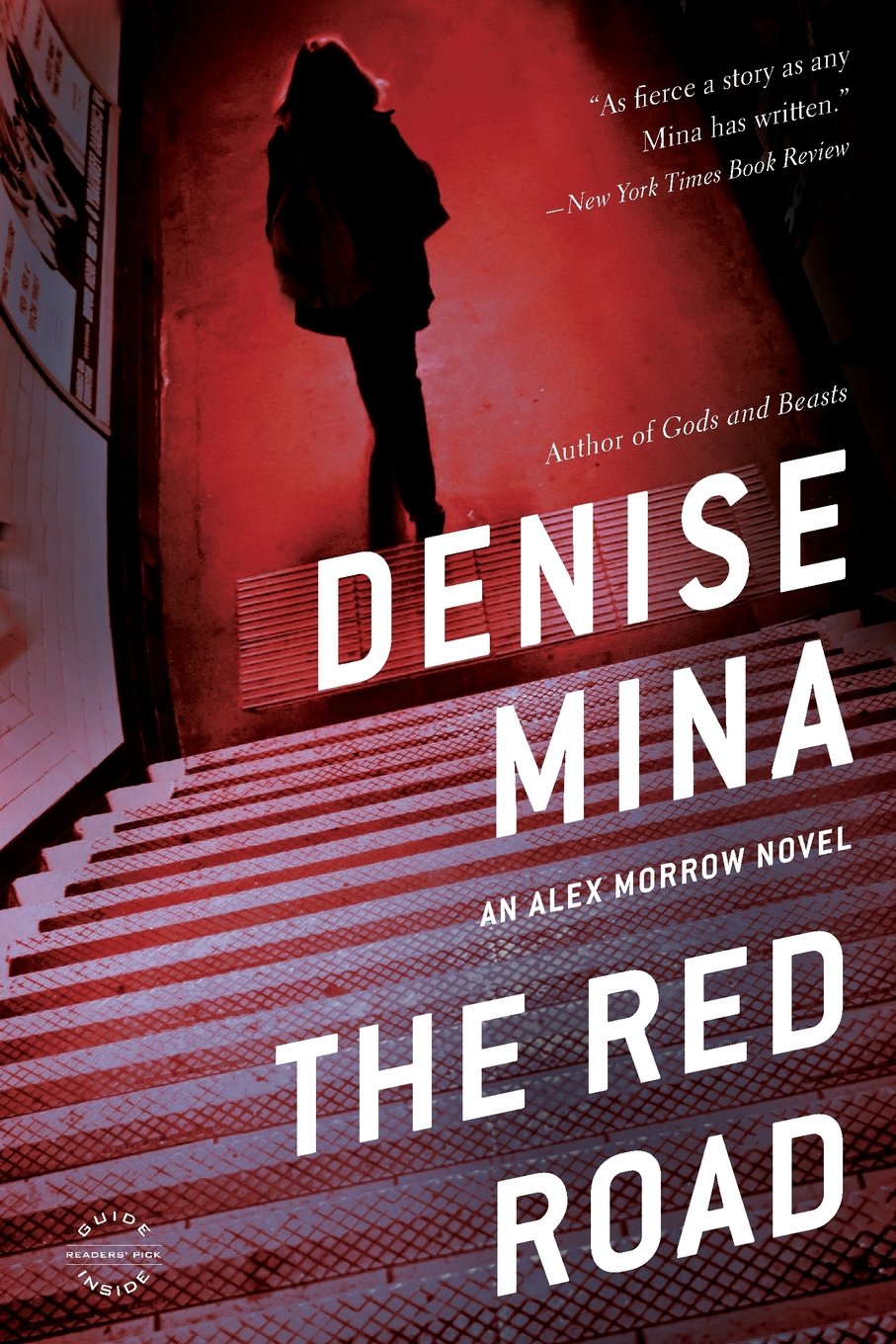
Teaser Tuesday: The Red Road by Denise Mina


The bloody knife was inches from her nose.
He watched her expectantly but Rose didn't move.

-- The Red Road by Denise Mina. This is the fourth book in Mina's Alex Morrow series, set in Glasgow, and the books keep getting better and better. It's one of my favorite series and I look forward to reading Mina's other mysteries. She has two other trilogies and some stand-alones.


Teaser Tuesdays is hosted by The Purple Booker, where you can find the official rules for this weekly event.

Monday, August 27, 2018

Mailbox Monday: Valley of Genius by Adam Fisher

I got one new book last week, how about you?


Valley of Genius: The Uncensored History of Silicon Valley (As Told by the Hackers, Founders, and Freaks Who Made It Boom) by Adam Fisher

So, I have no connection to Silicon Valley, but I do have a policy of buying books if my friends write them. Or, in this case, if my friend's brother writes one. And now that it's here, I have to say it has captured my attention. It's a real insider look at a world I know nothing about.


Thanks for joining me for Mailbox Monday, a weekly "show & tell" blog event where participants share the books they acquired the week before. Visit the Mailbox Monday website to find links to all the participants' posts and read more about Books that Caught our Eye.

Mailbox Monday is graciously hosted by Leslie of Under My Apple Tree, Serena of Savvy Verse & Wit, and Martha of Reviews by Martha's Bookshelf.

Saturday, August 25, 2018

Weekend Miscellany: Cocktails and Books


We kicked off the weekend last evening with a home date. Cocktails and snacks and a long-awaited break from the hot weather. We had our favorite "house cocktail" --  tequila martinis, served “club style” this time.

Now after a Saturday morning trip to the farmers market, I'm settling in for an afternoon with a good book before my neighborhood block party.


I’m reading Persian Nights by Diane Johnson and enjoying it very much. Published in 1987, it is set in 1978 Iran, right before the overthrow of the Shah. The main character is the American wife of a supposed-to-be-visiting doctor who goes on to Iran without him when an emergency keeps him in California.

With all the world history that has passed since, I can’t imagine the story being written the same way now.

Any other Diane Johnson fans? I loved her three France books, Le Divorce, Le Mariage, and L'Affaire. Have you read this one? What’s your favorite?

Great weekend!

Thursday, August 23, 2018

Book Beginning: I Know Now by Cinda Stevens Lonsway


BOOK BEGINNINGS ON FRIDAYS

THANKS FOR JOINING ME ON FRIDAYS FOR BOOK BEGINNING FUN!

MY BOOK BEGINNING


The sound of the squeaking front door makes me turn.

-- I Know Now: A Woman's Healing: Violence to Victory, Trauma to Truth by Cinda Stevens Lonsway. This memoir tells how the author survived a violent attack at age 19, struggled to heal from that trauma when she became a mother, and how she finally found what she calls "sacred insight."


Please join me every Friday to share the first sentence (or so) of the book you are reading, along with your initial thoughts about the sentence, impressions of the book, or anything else the opener inspires. Please remember to include the title of the book and the author’s name.

EARLY BIRDS & SLOWPOKES: This weekly post goes up Thursday evening for those who like to get their posts up and linked early on. But feel free to add a link all week.

FACEBOOK: Rose City Reader has a Facebook page where I post about new and favorite books, book events, and other bookish tidbits, as well as link to blog posts. I'd love a "Like" on the page! You can go to the page here to Like it. I am happy to Like you back if you have a blog or professional Facebook page, so please leave a comment with a link and I will find you.

TWITTER, ETC: If you are on Twitter, Instagram, Google+, or other social media, please post using the hash tag #BookBeginnings. I try to follow all Book  Beginnings participants on whatever interweb sites you are on, so please let me know if I have missed any and I will catch up.

TIE IN: The Friday 56 hosted by Freda's Voice is a natural tie in with this event and there is a lot of cross over, so many people combine the two. The idea is to post a teaser from page 56 of the book you are reading and share a link to your post. Find details and the Linky for your Friday 56 post on Freda’s Voice.

YOUR BOOK BEGINNING


Related Posts Plugin for WordPress, Blogger...