Wednesday, December 14, 2016

2017 CHALLENGE: The European Reading Challenge


COMPLETED

This is my own sign up post. To sign up yourself (please do!), go to the main challenge page here, or click the button above.

I am signing up for the FIVE STAR (DELUXE ENTOURAGE) level to read at least five books by different European authors or books set in different European countries.

BOOKS READ

Bech at Bay by John Updike (Czech Republic; Czechoslovakia at the time)

When You Lunch With the Emperor by Ludwig Bemelmans (Austria)

The Heat of the Day by Elizabeth Bowen (UK)

The Princess of Burundi by Kjell Eriksson (Sweden)

Schindler's List by Thomas Keneally (Poland)

On Rue Tatin: Living and Cooking in a French Town by Susan Herrmann Loomis (France)

The Comfort of Strangers by Ian McEwan (Italy)

The Shadow of the Wind by Carlos Ruiz Zafón (Spain)

The Redbreast by Jo Nesbo (Norway)

Roseanna by Maj Sjöwall and Per Wahlöö (Sweden)

The Little Book of Hygge: Danish Secrets to Happy Living by Meik Wiking (Denmark)

The Manticore by Robertson Davies (Switzerland)

All the Light We Cannot See by Anthony Doerr (Germany)

The Glorious Heresies by Lisa McInerney (Ireland)


NOTE: Updated December 30, 2017

I read books set in 14 different European countries, which is the most I have ever achieved doing this challenge. And I read several books written by European authors and translated to English, which I am usually not so good about doing.


11 Days to Christmas!


Sunday, December 11, 2016

2017 CHALLENGE: 2X17 & Mt. TBR


2X17: READ 34 BOOKS IN 2017

COMPLETED

I'm combining the Mt. TBR Challenge with a TBR challenge I came up with to read two books for each year of the century. This is the fourth year I've done it, so it gets a little more challenging each year. If anyone wants to join me, grab the button and play along! Leave a comment and I'll start a list here.

I am going to read 34 books for the 2X17 part of the challenge, one from each of 17 separate shelves on my TBR bookcases.

I have 27 fiction books and seven non-fiction books picked out. All seven of the non-fiction books are food-related, to overlap with the Foodies Read 2017 Challenge. For the fiction books, I picked books that I've most been meaning to read for a long time and aimed for a mix of long and short, heavy and light.

These are the books in alphabetical order by author, but I am going to read them as the mood strikes.

MY 2X17 BOOKS


One of the books I picked is a trilogy and the other is an omnibus edition of three Ian Rankin mysteries, so although there are 34 volumes on this list, I'll end up reading 38 books.

The Biographer's Moustache by Kingsley Amis FINISHED

When You Lunch With the Emperor by Ludwig Bemelmans FINISHED

The Heat of the Day by Elizabeth Bowen FINISHED

No Way to Treat a First Lady by Christopher Buckley FINISHED

A Morbid Taste for Bones by Ellis Peters FINISHED

Poetic Justice by Amanda Cross FINISHED

The Deptford Trilogy: Fifth Business; The Manticore; World of Wonders by Robertson Davies FINISHED

Jam Today Too: The Revolution Will Not Be Catered by Tod Davies FINISHED

Auntie Mame by Patrick Dennis FINISHED

The Princess of Burundi by Kjell Eriksson FINISHED

Birdsong by Sebastian Faulks FINISHED

A Reliable Wife by Robert Goolrick FINISHED

Spotted Dick, S'Il Vous Plait: An English Restaurant in France by Tom Higgins FINISHED

About a Boy by Nick Hornby FINISHED

Ultimate Prizes by Susan Howatch FINISHED

Friday the Rabbi Slept Late by Harry Kemelman FINISHED

Schindler's List by Thomas Keneally FINISHED

The Whole Fromage: Adventures in the Delectable World of French Cheese by Kathe Lison FINISHED

Paradise News by David Lodge FINISHED

On Rue Tatin: Living and Cooking in a French Town by Susan Herrmann Loomis FINISHED

An Oxford Tragedy by J. C. Masterman FINISHED

The Comfort of Strangers by Ian McEwan FINISHED

The Unicorn by Iris Murdoch FINISHED

Blue Angel by Francine Prose FINISHED

Rebus: The Lost Years: Let It Bleed; Black & Blue; The Hanging Garden by Ian Rankin FINISHED

Remembrance of Things Paris: Sixty Years of Writing from Gourmet, edited by Ruth Reichl FINISHED

That Old Cape Magic by Richard Russo FINISHED

Roseanna by Maj Sjöwall and Per Wahlöö FINISHED

The Girls of Slender Means by Muriel Spark FINISHED

Earthly Possessions by Anne Tyler FINISHED

Beck at Bay by John Updike FINISHED

The Road to Burgundy: The Unlikely Story of an American Making Wine and a New Life in France by Ray Walker FINISHED

The Life and Loves of a She Devil by Fay Weldon FINISHED

The Shadow of the Wind by Carlos Ruiz Zafón FINISHED


MT. TBR CHALLENGE:
READ A TOTAL OF 48 TBR BOOKS

COMPLETED

Bev at My Reader's Block hosts the Mt. TBR Challenge and I am signing up for the Mt. Ararat Level to read a total of 48 books off my TBR shelves. So in addition to those listed above, I need to knock off another 14. I don't know which ones they will be, but I will list them here as I read them.

THE MT. TBR BOOKS

The Panther by Nelson DeMille

Steve Jobs by Walter Isaacson

How to Hepburn: Lessons on Living from Kate the Great by Karen Karbo

Amarcord: Marcella Remembers by Marcella Hazan

Original Sin by P. D. James

Heartburn by Nora Ephron

Books: A Memoir by Larry McMurtry

The Song of the Lark by Willa Cather

The Architecture Pack : A Unique, Three-Dimensional Tour of Architecture by Ron Van der Meer

Slay Ride by Dick Francis

Free to Choose by Milton and Rose Friedman

Bandits by Elmore Leonard

Any Human Heart by William Boyd

The Narrow Road to the Deep North by Richard Flannigan (Booker Prize winner)

Through the Children's Gate: A Home in New York by Adam Gopnik

Any Woman's Blues by Erica Jong

The Heirs by Susan Rieger

The Question of Max by Amanda Cross

Reptile by David Ball

The Group by Mary McCarthy

The Journalist and the Murderer by Janet Malcolm

A Certain Justice by P. D. James


MT. TBR CHALLENGE CHECKPOINT

Bev added a Words to the Wise According to Mt. TBR checkpoint for those interested. I'll give it a go. The idea is to use titles of the books above to finish the aphorisms listed below:

A stitch in time...[saves] Girls of Slender Means
Don't count your chickens...[before] The Panther
A penny saved is.... No Way to Treat a First Lady
All good things must come... Through the Children's Gate
When in Rome... [be] Free to Choose
All that glitters is not... Original Sin
A picture is worth [the] ... Shadow of the WInd
When the going gets tough, the tough get... A Reliable Wife
Two wrongs don't make... Any Human Heart
The pen is mightier than.... The Whole Fromage
The squeaky wheel gets... Ultimate Prizes
Hope for the best, but prepare for... A Certain Justice
Birds of a feather flock... [to] Birdsong


NOTE: Updated January 1, 2018

In addition to the 34 books I read for my 2X17 Challenge, I read 22 other books for the Mt. TBR challenge, for a total of 56 books off my TBR shelves in 2017.


14 Days to Christmas!


Saturday, December 10, 2016

2016 CHALLENGE: Back to the Classics, Wrap Up Post


COMPLETED

I signed up to read six books out of the possible 12 categories, with a stretch goal of reading nine, which I reached. As I suspected, I read more than nine books that would qualify as "classics" under the definition, but they overlapped the same nine categories.

The Back to the Classics Challenge is hosted by Karen at Books and Chocolate. Thank for hosting, Karen!


MY BOOKS AND THEIR CATEGORIES

Out of Africa by Isak Dineson (FINISHED; woman author)

Ape and Essence by Aldous Huxley (FINISHED; science fiction)

Merry Hall by Beverley Nichols (FINISHED; place name)

Orlando by Virginia Woolf (FINISHED; adventure - well, egghead adventure)

Death and the Joyful Woman by Ellis Peters (FINISHED; detective)

Around the World in Eighty Days by Jules Verne (FINISHED; translation)

The Last Chronicle of Barset by Anthony Trollope (FINISHED; 19th Century)

Loitering with Intent by Muriel Spark (FINISHED; 20th Century)

The Company She Keeps by Mary McCarthy (FINISHED; short stories)


15 Days to Christmas!


Thursday, December 8, 2016

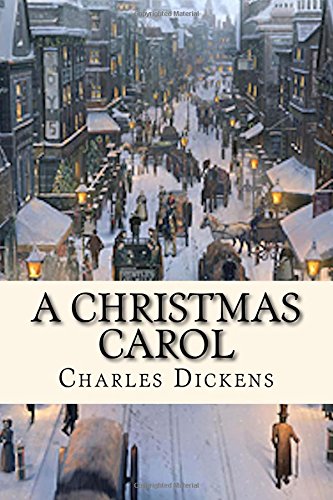
Book Beginning: A Christmas Carol


THANKS FOR JOINING ME ON FRIDAYS FOR BOOK BEGINNING FUN!

Please join me every Friday to share the first sentence (or so) of the book you are reading, along with your initial thoughts about the sentence, impressions of the book, or anything else the opener inspires. Please remember to include the title of the book and the author’s name.

EARLY BIRDS & SLOWPOKES: This weekly post goes up Thursday evening for those who like to get their posts up and linked early on. But feel free to add a link all week.

FACEBOOK: Rose City Reader has a Facebook page where I post about new and favorite books, book events, and other bookish tidbits, as well as link to blog posts. I'd love a "Like" on the page! You can go to the page here to Like it. I am happy to Like you back if you have a blog or professional Facebook page, so please leave a comment with a link and I will find you.

TWITTER, ETC: If you are on Twitter, Google+, or other social media, please post using the hash tag #BookBeginnings. I try to follow all Book  Beginnings participants on whatever interweb sites you are on, so please let me know if I have missed any and I will catch up.

TIE IN: The Friday 56 hosted by Freda's Voice is a natural tie in with this event and there is a lot of cross over, so many people combine the two. The idea is to post a teaser from page 56 of the book you are reading and share a link to your post. Find details and the Linky for your Friday 56 post on Freda’s Voice.

YOUR BOOK BEGINNING


MY BOOK BEGINNING


Marley was dead: to begin with.

-- A Christmas Carol by Charles Dickens. I've never read this; I just assumed I had because I've seen so many movies and plays and cartoons. I decided to finally read the book, or at least the audiobook.

And it's terrific! I always forget how funny Dickens is. There are droll asides, witty bits, and sarcasm that is lost in the syrupy movie adaptations.

17 Days to Christmas!


Wednesday, December 7, 2016

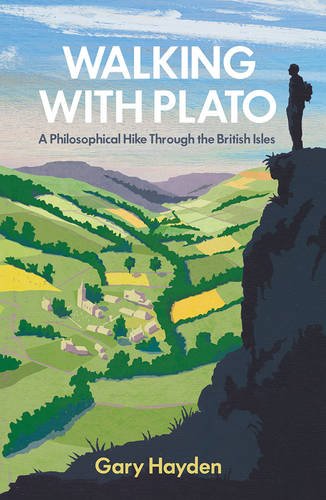
Author Interview: Gary Hayden


Gary Hayden's thousand-mile walk from John o’Groats, at the northern tip of Scotland, to Land’s End, at the southernmost tip of England, inspired his recent book, Walking with Plato. Gary recently answered questions for Rose City Reader.


How did you come to write Walking with Plato?

I set off on the 1,150-mile trek from John o’Groats to Land’s End with no intention of writing a book about it. I figured that I’d have nothing to say that hadn’t already been said perfectly well by someone else. But the trip turned out to be such an unexpectedly wonderful experience that when it was over I felt I had something worth sharing.

Can you explain this end to end trek you took, from John O’Groats to Land’s End? Is it a regular hiking trail? How did you map your route?

John o’Groats is in the far northeast of Scotland, and Land’s End is in the far southwest of England. They’re the two furthest apart points on the British mainland. Hence, quite a lot of people cycle or walk between them.

There’s no set route. Some people take the most direct route they can, along roads. Others opt for more scenic routes, which is what my wife Wendy and I did. We basically linked together as many National Trails as we could.

Have you walked other famous long treks before, like the Pacific Crest Trail in the western United States or similar long routes?

No, this was my first proper long distance walk. I once walked a section of Britain’s Pennine Way for a week or so. But nothing on the scale of JoGLE (John o’Groats to Land’s End).

To be honest, I’ve never really been interested in walking. I agreed to do JoGLE mostly to please Wendy. It was a huge surprise to me that it turned out to be the best and most rewarding thing I’ve ever done.

What did you and your wife Wendy do to prepare for your journey?

Wendy’s the outdoor enthusiast. She loves choosing and buying gear. So she took charge of purchasing all of our walking and camping gear, and made sure that it was all as light as possible. We were living in Vietnam immediately prior to the trip. So we didn’t get to do any physical training beforehand.

How long did it take? And please describe a little of how you went about it – did you backpack and camp or how did you manage?

It took three months, start to finish. We were backpacking. Mostly we slept in our backpacking tent, but we treated ourselves to a night in a hostel or B&B at least once a week.

During the early part of the trip, carrying the tent and all of our gear was really tough on our bodies. We suffered some excruciating pain. But as the trip progressed we got stronger and stronger, and tougher and tougher. By the end, we were freakishly fit.

What is the meaning of the title and how was your hike “philosophical”?

I’m very interested in philosophy, and have read, thought and written widely on the subject. Like many people, I found that long-distance walking acted as a catalyst or stimulus for my thoughts. I found myself pondering with increased clarity about life, love, music, pleasure, pain, nature, literature… everything really. And I found that many ideas I was already familiar with, from various philosophers, took on a new and deeper meaning.

So, for me, the journey was as much a journey of the mind as it was a physical journey. The title, Walking with Plato, reflects this. And it’s also a reference to a period of my life (which I discuss in the book) when I did, in a literal sense, ‘Walk with Plato.’

Can you recommend any other books about finding mental and philosophical clarity through long wanderings?

My big recommendations would be Reveries of a Solitary Walker by the seventeenth-century Genevan philosopher Jean-Jacques Rousseau, and Robert Pirsig’s Zen and the Art of Motorcycle Maintenance. I was heavily influenced by both books.

What were the most surprising experiences of your hike?

The really surprising thing was that an experience I didn’t particularly expect to enjoy turned out to be the best thing I’ve ever done.

Really, Walking With Plato is my attempt to share how and why that came about, and maybe encourage people to buy some boots and do something similar themselves.

Did you bring books to read on your trip? Which ones?

I took my Kindle with me. So I had my whole library available. But my main read, which took the entire trip, was Tolstoy’s War and Peace.

Who are your three (or four or five) favorite authors? Is your own writing influenced by the authors you read?

For me, the Holy Trinity are Charles Dickens, Jane Austen, and Anthony Trollope. Maybe it should be a Holy Quartet and include Tolstoy.

I also love J. D. Salinger, Bertrand Russell, David Hume, C. S. Lewis, Somerset Maugham, … Oh, too many to mention.

I think they’ve all influenced me. But stylistically I think I’m most influenced by Russell and Hume who write with admirable clarity and brevity, even when discussing the most difficult and abstruse subjects.

What’s next? Are you working on your next book?

I’ve written four books, to date, all non-fiction, and all related to philosophy. But next there’s a novel I’m burning to write. I’m keeping schtum about it for the time-being though.


THANKS, GARY!

WALKING WITH PLATO IS AVAILABLE ON LINE OR ASK YOUR LOCAL BOOKSELLER TO ORDER IT!


18 Days to Christmas!


Tuesday, December 6, 2016

19 Days to Christmas!


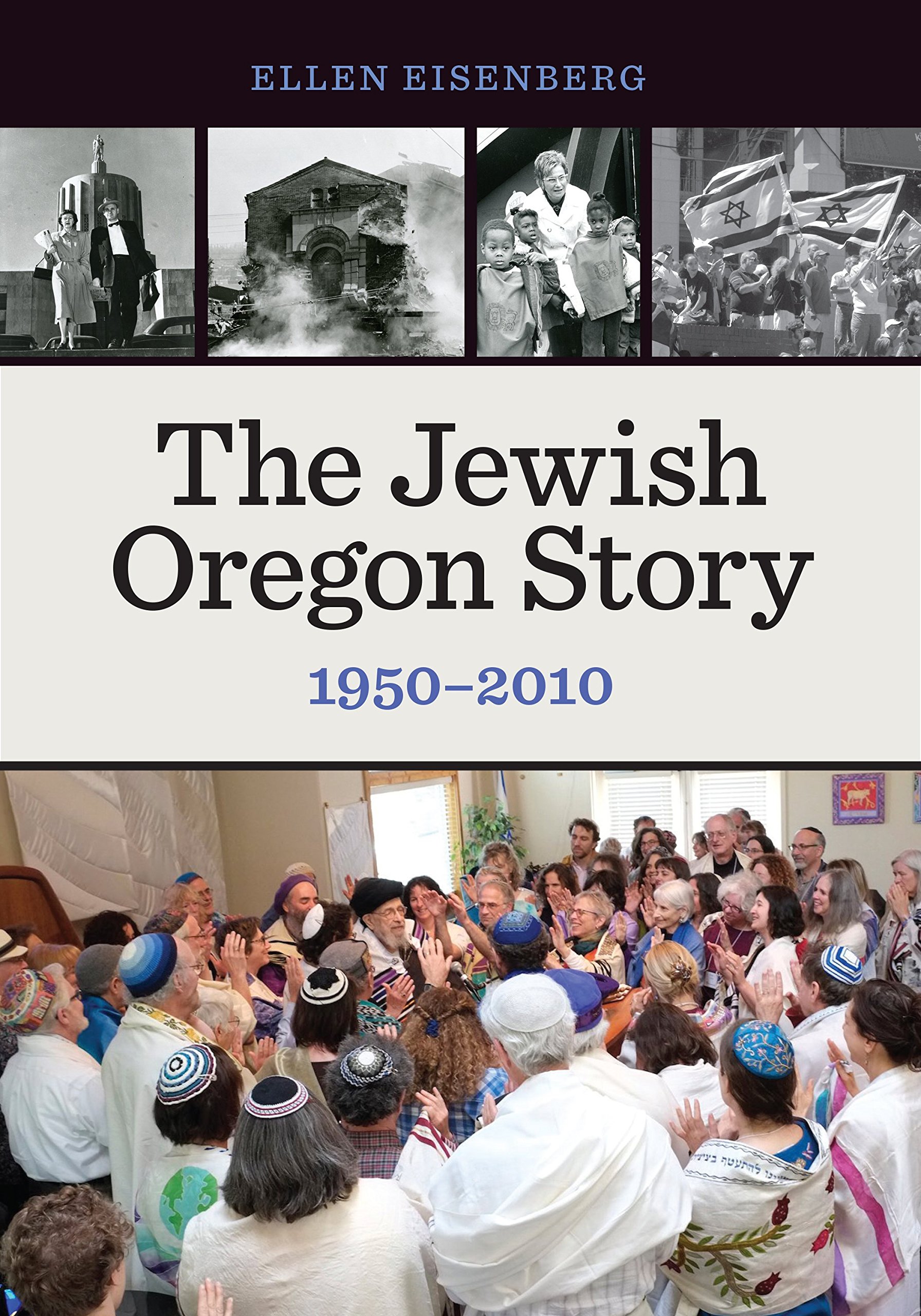
Teaser Tuesday: The Jewish Oregon Story, 1950-2010 by Ellen Eisenberg


Goldie Stampfer remembered the process of change at Neveh Shalom as a gradual one; first girls had Friday night bat mitzvahs, later, they were called to the Torah. "It was so gradual, it was like ice melting," she recalled.

-- The Jewish Oregon Story, 1950-2010 by Ellen Eisenberg, published by OSU Press.

The role of women in the Jewish community in Oregon is one of the main issues Eisenberg examines in her new book. By drawing on over 500 oral histories as well as other archival documents, the history is very fresh and personal.

The Jewish Oregon Story, 1950-2010 is the companion volume to Eisenberg's earlier book, Embracing a Western Identity: Jewish Oregonians, 1849-1950.


Teaser Tuesdays is hosted by MizB at Books and a Beat, where you can find the official rules for this weekly event.


Saturday, December 3, 2016

22 Days to Christmas!


2016 CHALLENGE: Vintage Mystery Challenge, Wrap Up Post


COMPLETED

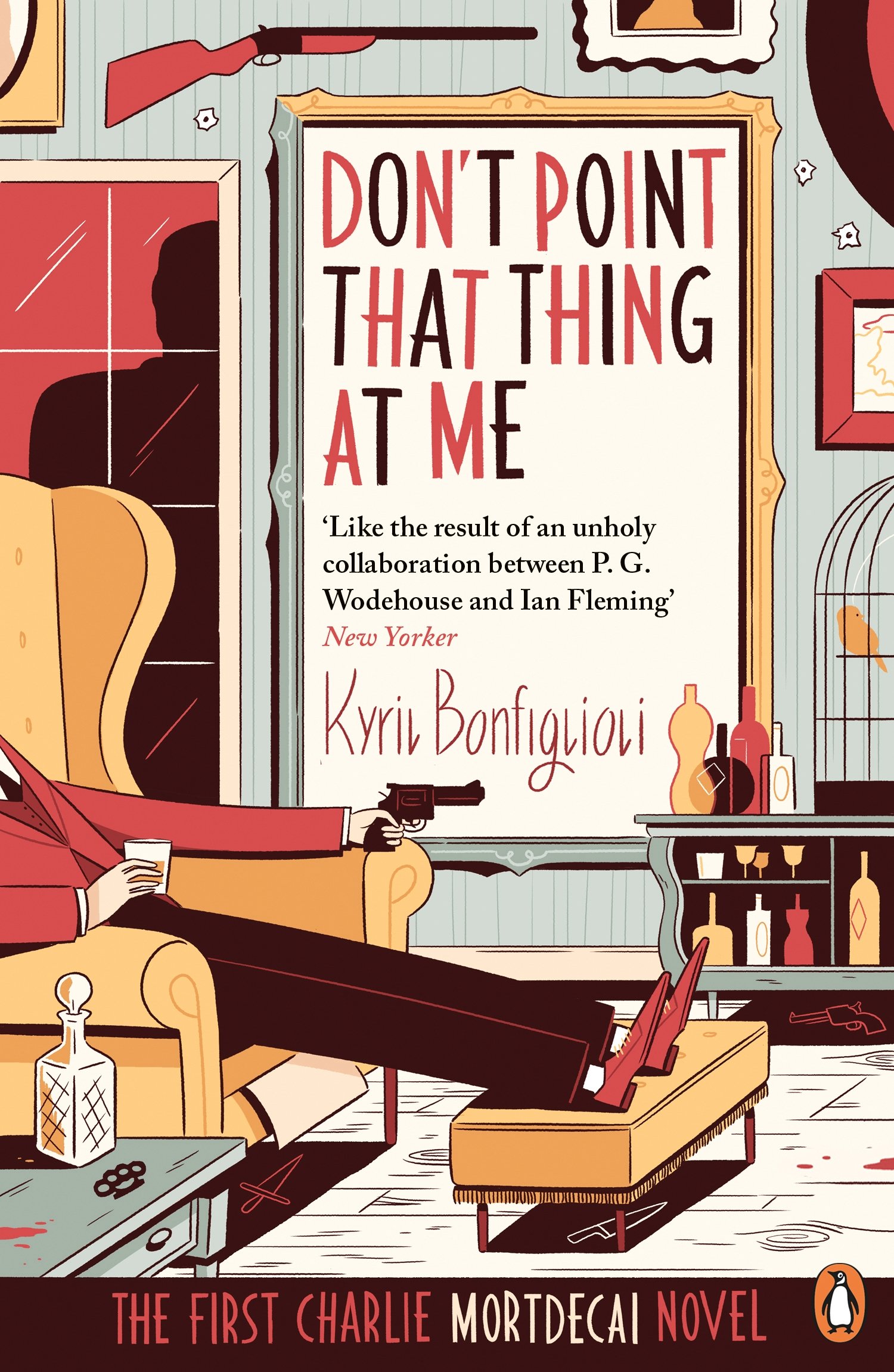
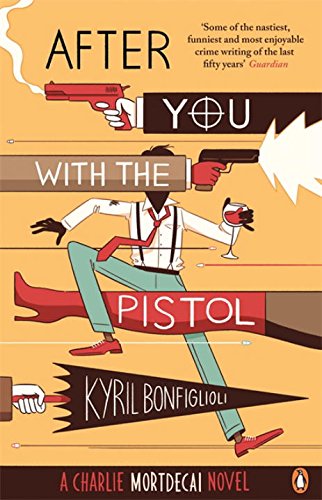
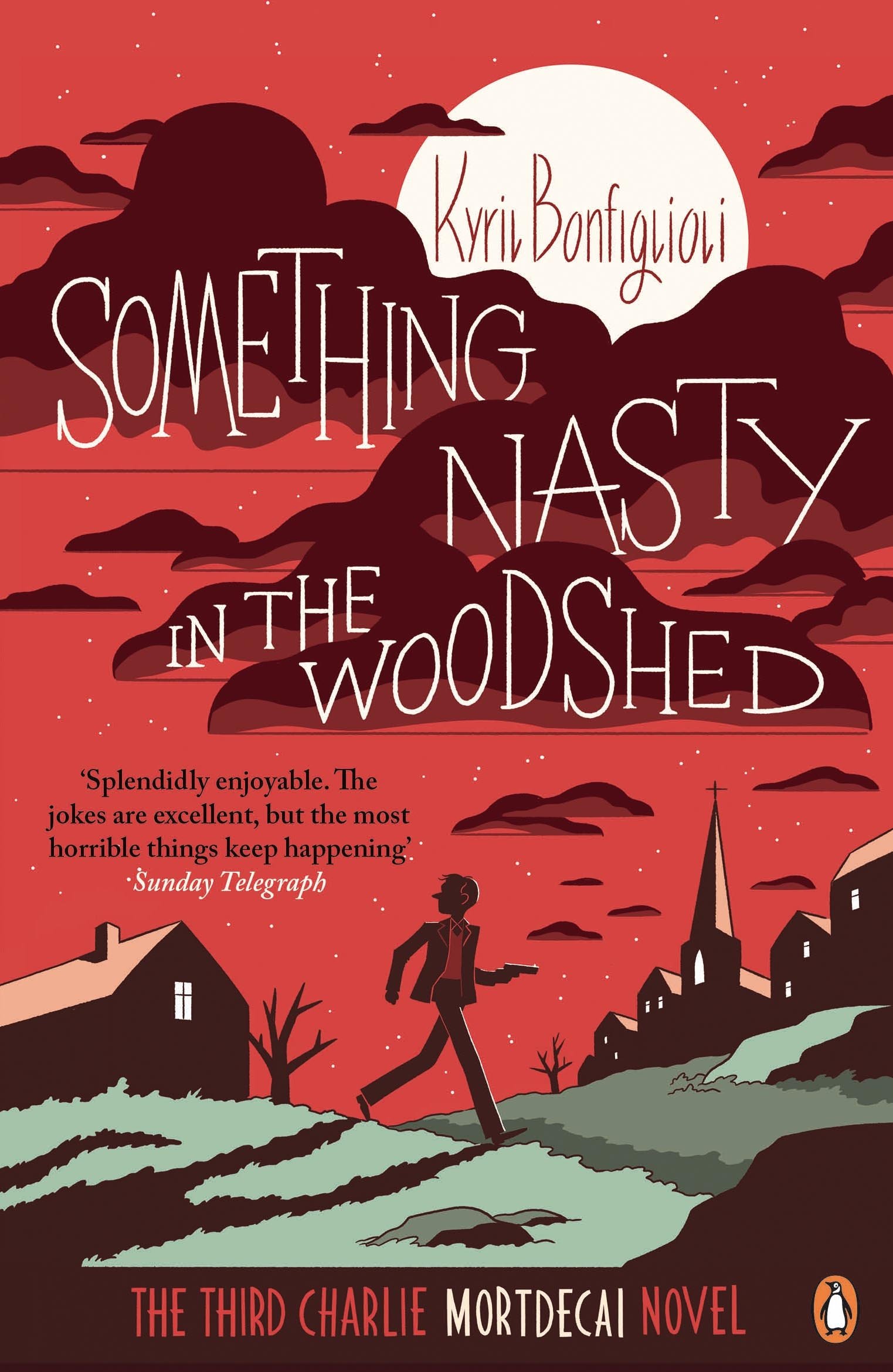
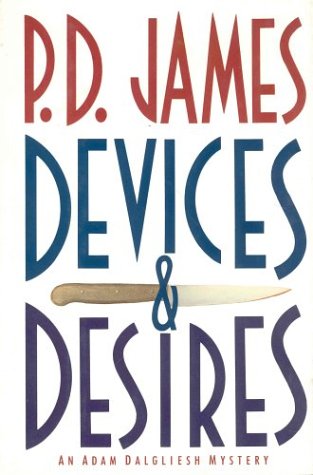
I finished nine books for this challenge. This is my wrap up post. My nine books are listed below and the nine items I found for the scavenger hunt are checked off on this card:


One of my all-time favorite challenges is the Vintage Mystery Challenge hosted by Bev at My Reader's Block. I did the Silver Version again this year, which involves reading mystery books published between 1960 - 1989.

The Scavenger Hunt involves finding as many items on the list above in the covers of the books read.

MY BOOKS FINISHED


A New Lease of Death by Ruth Rendell (1967; Inspector Wexford #2; Just One Person)


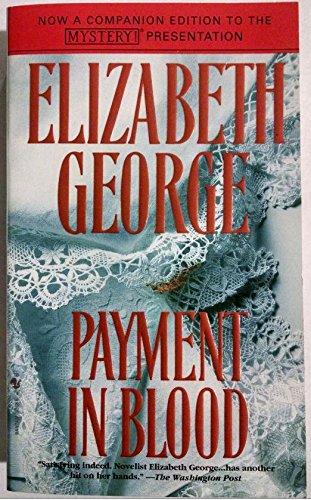
Payment in Blood by Elizabeth George (1989; Inspector Lynley #2; Bloodstains)


Death and the Joyful Woman by Ellis Peters (1961; Inspector Felse #2; Edgar Award Winner; A Blonde)


Billingsgate Shoal by Rick Boyer ((1982; Doc Adams #1; Edgar Award Winner; a boat, although it's hard to see)


Don't Point That Thing At Me by Kyril Bonfiglioli (1972; Mortdecai Trilogy #1; a bottle for drinking)


After You with the Pistol by Kyril Bonfiglioli (1979; Mortdecai Trilogy #2; a hand holding a weapon)


Something Nasty in the Woodshed by Kyril Bonfiglioli (1976; Mortdecai Trilogy #3; the moon)


Missing Person by Patrick Modiano (1978; Nobel Laureate; shadowy figure)


Devices & Desires by P. D. James (1989; Adam Dalgliesh #8; a knife)

Thursday, December 1, 2016

Book Beginning: The Jewish Oregon Story, 1950-2010 by Ellen Eisenberg


THANKS FOR JOINING ME ON FRIDAYS FOR BOOK BEGINNING FUN!

Please join me every Friday to share the first sentence (or so) of the book you are reading, along with your initial thoughts about the sentence, impressions of the book, or anything else the opener inspires. Please remember to include the title of the book and the author’s name.

EARLY BIRDS & SLOWPOKES: This weekly post goes up Thursday evening for those who like to get their posts up and linked early on. But feel free to add a link all week.

FACEBOOK: Rose City Reader has a Facebook page where I post about new and favorite books, book events, and other bookish tidbits, as well as link to blog posts. I'd love a "Like" on the page! You can go to the page here to Like it. I am happy to Like you back if you have a blog or professional Facebook page, so please leave a comment with a link and I will find you.

TWITTER, ETC: If you are on Twitter, Google+, or other social media, please post using the hash tag #BookBeginnings. I try to follow all Book  Beginnings participants on whatever interweb sites you are on, so please let me know if I have missed any and I will catch up.

TIE IN: The Friday 56 hosted by Freda's Voice is a natural tie in with this event and there is a lot of cross over, so many people combine the two. The idea is to post a teaser from page 56 of the book you are reading and share a link to your post. Find details and the Linky for your Friday 56 post on Freda’s Voice.

YOUR BOOK BEGINNING


MY BOOK BEGINNING


For the Oregon Jewish community 1971 was a banner year. In the Portland metropolitan area, home to over 85 percent of the state's Jews, the highlight was the completion of an expansive new Jewish Community Center.

-- from "The Shape of Community: Jewish Oregonians in a Changing State," Chapter One of
The Jewish Oregon Story, 1950-2010 by Ellen Eisenberg, published by OSU Press.

Eisenberg's new book traces the history of Jewish Oregonians and their communities from 1950 to 2010, a period of dramatic change. This comprehensive study is the companion volume to her earlier book, Embracing a Western Identity: Jewish Oregonians, 1849-1950.

24 Days to Christmas!


I love traditions here at Rose City Reader and my favorite is this advent calendar of vintage Christmas cards. I'm going back to a theme this year, celebrating with animal Christmas images.

Enjoy! And Merry Christmas to all my fellow Christmas celebrants.

Wednesday, November 30, 2016

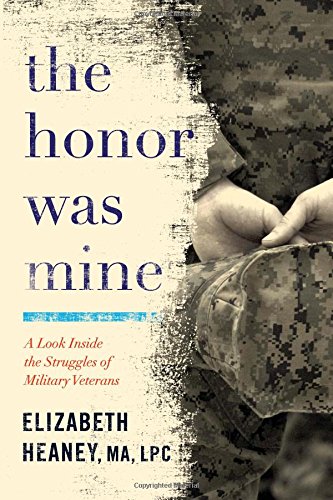
Author Interview: Elizabeth Heaney


Elizabeth Heaney left her private therapy practice to work with returning war vets and their families. Her new book, The Honor Was Mine: A Look Inside the Struggle of Military Veterans, tells the story of her experience and gives voice to their stories.

Elizabeth recently answered questions for Rose City Reader about her work and her new book.


How did you come to write The Honor Was Mine?

As I started listening to veterans and their spouses, I felt deeply changed by their struggles and concerns. I had to face how very little I knew about military life and the world of combat veterans. Civilians tend to hear about veterans’ issues (PTSD, homelessness, suicide), but we don’t hear these very personal accounts of the hidden costs of war. I wanted to share the stories so that others’ perceptions could change like mine did as I came to see the essence of the veterans’ humanity. One of my reviewers wrote, “The Honor Was Mine is not a book about war; it’s a book about humanity.” I couldn’t agree more.

Why did you leave your private therapy practice to work with returning war vets and their families?

To be honest, it wasn’t out of any dedication to the military at all. As things sort of shut down for me in Tucson, I simply needed to find a new source of income and a new place to live – the military counseling job would provide income, and it would move me around the country so I could check out places where I might like to live. It didn’t take long, though, for my motivation to shift. Quite quickly, working with the service members and veterans felt like a calling – albeit one I “stumbled into”!

When did you know you were going to write about your experience working with veterans?

I didn’t think of writing about my work until an incident happened during my second assignment. The battalion I was working with learned one of their soldiers had been killed in combat in Afghanistan. I thought they would be rather stoic, that they would be “used to” this kind of tough war news; I thought they would simply “soldier on” in the face of their buddy’s death.

I was so wrong.

No hardened warriors that day, just men and women who felt the loss with a raw, stunned vulnerability. They talked about the good times with their friend and remembered arduous days of combat training together. They spoke with choked voices about their concern for his wife and children. Our conversations were hushed and painful and deeply poignant.

That evening in my hotel room, I pulled out my laptop and opened it to a stark blank page. My heart felt tattered with everything I’d seen and heard that day, so I sat in the soft glow of the desk lamp, writing about a battalion’s grief. I wrote to make room for the next day; in a matter of hours, I’d be back in those battalion hallways, listening to those whose friend was gone.

Who is your intended audience and what do you hope your readers will gain from your book?

I had always hoped the book would speak to both civilian and military readers – and from the earliest reviews, it seems clear both of those groups have found the book tremendously helpful. Civilian readers tell me the book has changed their view on the military, giving them more compassion and more respect for what combat veterans endure. And military readers feel seen and heard, validated, by the book. Perhaps the book can help close the substantial military-civilian gap. With only 1% of our population serving in the military, it’s easy for most civilians to be detached and unaware of the military world.

Can you recommend any other books about the emotional challenges faced by combat veterans, the struggles of military families, or working with veterans?

What Have We Done: The Moral Injury of Our Longest War by David Wood has just come out. He’s a Pulitzer prize-winning war journalist and a fabulous writer.

The Long Walk and All the Ways We Kill and Die by Brian Castner are very fine books that offer a gritty and personal view into combat experiences.

Tribe by Sebastian Junger speaks to the bonds warriors treasure and the effect of isolation when returning home.

I could go on and on. There are really wonderful books by military spouses (Siobhan Fallon, Melissa Seligman), women veterans (Kayla Williams, Jessica Scott) and retired/separated military service members, all of which help fill in the blanks in our familiarity with the military world.

What did you learn from writing your book – either about the subject of the book or the writing process – that most surprised you?

Writing the book, sitting so intently with the stories as I tried to hone them, brought me even deeper into a state of compassion and respect for veterans and their families. Hours upon hours of sitting at my desk, recalling the exchanges and bringing to mind (and heart) their journeys truly deepened those feelings. As for the process of writing, someone asked me once what I had learned about the writing process that I didn’t know before I wrote the book and without thinking I said, “Stamina.” I had no idea the stamina that was required for the long, long haul of getting a book into print. No complaints . . . I’d do it again in a heartbeat! But the stamina required was astonishing!

What is the most valuable advice you’ve been given as someone working to help war veterans and their families?

There’s a wonderful article by Jim Gourley titled “Of Lepers and Caves” that affirms the need to stay close and very present with those grappling with PTSD (or war memories). Staying non-reactive, accepting, deeply engaged has been key for reaching out to those suffering whether the veterans or their family members. I had a client once tell me that he could “never” speak about the horrors he had witnessed because people would think he was a monster. When I reassured him he could say anything at all and I wouldn’t judge him, he began to share things he’d never talked about before. As he spoke, I felt as if I could literally see the burden beginning to lift off of him.

What’s next? What are you working on now?

Something completely different! A novel about a young man who travels to India to see Moghul ruins that he had read about as a child – beautiful stories about the Moghul empire had somewhat saved him during a difficult childhood, so his journey to the ruins holds intricate meaning for him.


THANKS, ELIZABETH!

THE HONOR WAS MINE IS AVAILABLE ONLINE OR ASK YOUR LOCAL BOOKSTORE TO ORDER IT!


Tuesday, November 29, 2016

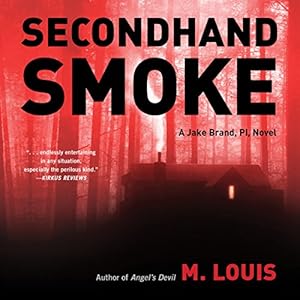
Teaser Tuesday: Secondhand Smoke by M. Louis


I'm up later that morning at the crack of ten. . . . I look out at the gray skies and mist as I sip my first cup of joe.

Secondhand Smoke by M. Louis. Jake Brand is a 21st Century Portland private eye and Louis makes the most of both the city and the best private eye traditions in his neo-noir thriller. There are hints of everyone's favorites, from Philip Marlowe, Lew Archer, maybe some of the guys from L.A. Confidential, and even a little Jason Bourne.


Teaser Tuesdays is hosted by MizB at Books and a Beat, where you can find the official rules for this weekly event.

Saturday, November 26, 2016

2016 CHALLENGE: Foodies Read, Wrap Up Post


COMPLETED

I finished the Pastry Chef level this year, which means reading four to eight food books in 2016.


BOOKS FINISHED

Dearie: The Remarkable Life of Julia Child by Bob Spitz

A Little Dinner Before the Play by Agnes Jekyll (reviewed here)

I Remember Nothing: And Other Reflections by Nora Ephron

Stuffed: Adventures of a Restaurant Family by Patricia Volk

Shaken and Stirred by William Hamilton


Heather at Based on a True Story hosted the Foodies Read Challenge for 2016. Margot from Joyfully Retired started this popular challenge, then passed the torch to Vicki from I'd Rather Be at the Beach. Thank you, Heather, for hosting this year!


WEEKEND COOKING


Thursday, November 24, 2016

Book Beginning: Secondhand Smoke by M. Louis


THANKS FOR JOINING ME ON FRIDAYS FOR BOOK BEGINNING FUN!

Please join me every Friday to share the first sentence (or so) of the book you are reading, along with your initial thoughts about the sentence, impressions of the book, or anything else the opener inspires. Please remember to include the title of the book and the author’s name.

EARLY BIRDS & SLOWPOKES: This weekly post goes up Thursday evening (Happy Thanksgiving!) for those who like to get their posts up and linked early on. But feel free to add a link all week.

FACEBOOK: Rose City Reader has a Facebook page where I post about new and favorite books, book events, and other bookish tidbits, as well as link to blog posts. I'd love a "Like" on the page! You can go to the page here to Like it. I am happy to Like you back if you have a blog or professional Facebook page, so please leave a comment with a link and I will find you.

TWITTER, ETC: If you are on Twitter, Google+, or other social media, please post using the hash tag #BookBeginnings. I try to follow all Book  Beginnings participants on whatever interweb sites you are on, so please let me know if I have missed any and I will catch up.

TIE IN: The Friday 56 hosted by Freda's Voice is a natural tie in with this event and there is a lot of cross over, so many people combine the two. The idea is to post a teaser from page 56 of the book you are reading and share a link to your post. Find details and the Linky for your Friday 56 post on Freda’s Voice.

YOUR BOOK BEGINNING


MY BOOK BEGINNING


He thinks he's safe. But he's not.

Secondhand Smoke by M. Louis. This is the second in a mystery series featuring Portland PI Jake Brand.

Jake is solidly in the tradition of Philip Marlowe or Lou Archer -- but don't let his wise cracking, self-deprecating ways fool you. I think he's going to catch the bad guys, even if he doesn't end up with the girl -- yet.

Happy Thanksgiving!


Wednesday, November 23, 2016

Author Interview: Julia Laughlin


When Julia Laughlin was 21, she was sexually assaulted by a man she had known and trusted, a man later tried for her assault and as a serial killer of other women. Now, over 30 years later, she has published her memoir telling the story of her attack, the enduring trauma in her life, and her path to healing and forgiveness.

Julia wrote her book to share what she discovered about sexual violence, how it affects a person, and how to find a way to live with and heal from from trauma so that others whose lives has been marred by sexual violence might also find a way to heal. She recently answered questions for Rose City Reader.


How did you come to write The River and the Sea?

Soon after the attack happened I knew I had to write this story—a story of healing from sexual violence, or from rape as I called it then. It wasn’t even a thought so much as this was something I had to do. The idea came to me; I didn’t seek it out. I was already writing about my experiences, I had journaled for years and wrote short stories, so in that sense it wasn’t a foreign idea. But I felt compelled from the beginning to share this story, to write a book about healing from sexual violence to share my experiences to help others heal. Though it never occurred to me that I had no idea what healing was nor what that healing for me would entail.

So the first book I wrote, I knew as soon as it was finished it was not the book I intended to write, a book on healing. It told the story of the two years it took to prosecute him for the rape. I suppose I had to tell that story first. It was cathartic. It was the next layer, of release and facing all that raw emotion and anger of not only going through the experience but then having to fight it through the justice system. That in and of itself was horrendous.

Your memoir is an intensely personal account of being raped and tortured and your struggle to heal from that trauma. Was it difficult to tell such an intimate story?

Yes, it was extraordinarily difficult. I am an intensely private person; I prefer to be in the shadow than in the light. Though it was always my intention to write this story and publish the book, I had to write it as if no one was ever going to read it, otherwise I would have censored my writing. There had always been this internal back and forth struggle about having to write this story and my desire to not ever tell a soul. But during the time I was working with the editors and the designer, when the book was becoming a reality, the struggle intensified and at times nearly crippling me emotionally, especially when I would read the manuscript again and wish I didn’t have to include some particular part.

Who is your intended audience and what do you hope your readers will gain from your book?

People who are victims and survivors of sexual violence who are struggling to heal, and family and friends of victims who want to understand. My hope is that in sharing my story of healing, it will help others to find their way out of their torment, finding a path to move forward, and to help others feel less alone. It is also to give voice to what this type of violence does to a person, by naming it, putting light on it, and ending our silence. Healing is possible, a return to wholeness is possible.

But it is also for those who have not had any experience of violence. We need to open a dialogue, a discussion of how violence affects a person and all those around them, the ripple effect it has in our communities. All forms of violence and sexual violence in particular affect all of us in ways we haven’t even begun to calculate.

What did you learn from writing your book – either about the subject of the book or the writing process – that most surprised you?

That producing a book is a long process, there is a lot of hurry up and wait. It was excruciating and frustrating to watch my deadlines fall by the wayside one after another. When I began working with the editor, I expected to have a finished book in six months, nearly two years later I was finally holding that book in my hand. It was a full time job (in addition to my full time paying job). It was consuming and it took over my life; I cut everything out that didn’t support the book. The writing itself takes time and then working with others means their schedules are not necessarily aligned to yours. After all, I was only working on this book while I was only one of many authors they were working for. I am not a patient person, and publishing a book is an exercise in patience.

Some of the most moving insights you share have to do with your relationship with your daughter and how your trauma affected her. How did you come to that realization?

That is a difficult question to summarize in a few words. I have always been open and honest with my daughter. And I have seen with painful truth the difficulty for her of having this mother who was shattered. So I think it comes from not denying how I treated her, and being willing to see clearly and honestly that I was hard on her or that she was affected by my crippling trust issues. It was also listening to her, supporting her in her efforts to come to terms with this. Probably the most important lesson my daughter taught me was about perception. Perception matters in everything, and it was her perception that mattered, not how I thought I was coming across. From this I began learning to see from her point of view. That was a huge shift in understanding and growth, because my interpretation of interactions was fairly skewed.

What can friends and family of trauma victims do to support them?

Don’t blame. Nothing the victim did caused this to happen. Not expect someone to “just get over it” or “move on”. Try to understand how deep this trauma runs, spreading into every aspect of their lives, and what it takes from a person. How it causes them to view the world differently, and how it affects their ability to trust, and be present in the world. Recovery and healing aren’t on our timeline, they are not linear, it is a process, a journey without a destination. What they are doing is learning how to live with the trauma so it no longer poisons their life, but what happened doesn’t go away, you cannot make it not to have happened. And most importantly, believe them, don’t judge, or question their story; be there for them and offer them unconditional love.

What resources would you recommend for survivors of sexual violence? How about for their loved ones and supporters?

Seek help, whether through individual counseling or support groups. Seek outside help from sources that have an honest and in-depth understanding of sexual violence. Just because a professional has worked with victims of sexual violence doesn’t mean they truly understand. Not all the professionals I sought services with did, despite having worked with victims. The same for their family and friends – seek help; and also read others experiences and educate themselves on how this invasion of a person’s self affects the victim and those around them. When we learn this has happened to others, and others have felt this way too, it helps us to feel less alone and lessens the feeling of being an outcast. It removes the isolation. The most important words I can offer a victim is: forgive yourself; love yourself.

What is some of the most valuable advice you’ve been given as someone working to heal from rape?

There are two pieces of wisdom that I have carried with me. The first was when the second assistant district attorney assigned to the case told me, “Courage—it doesn’t mean you are not afraid; it is being afraid and doing it anyway.” It lifted a huge weight off my shoulders, it gave me the freedom to be afraid while I was sticking with the case to prosecute him, even though I was afraid he would come after me, and I had no guarantee of the outcome of the case.

The second was what my therapist taught me about living with the trauma while I was struggling through the fallout, “Life is about the small moments and then we string them together.” It taught me to quit looking for and expecting some big moment, or epiphany and then I would be fixed and everything would be normal. It opened the door to letting go of the expectation of a “cure” and accepting that there is no making it go away.

In addition to writing your memoir, have you found other ways to help you heal from your experience?

What I came to understand about healing, is that there is no one way to reach it, no one moment when I realized I had healed; nothing fixed as “this is the way.” It was changing my thinking more than anything else, my perspective, in doing that I was able to reach forgiveness. Forgiveness allowed me to detach, let it go and let him go, opening the way to healing.

On the day to day it was as my therapist taught me, “First we start with the dishes,” meaning you do one thing at a time and that leads to the next, and so on. It is a way to make it through those difficult days when you can barely get out of bed. What I did along the way though were things such as journaling, playing my guitar, listening to music, walking and hiking with my dogs, running and the other physical training. And I sought professional help, without that I wouldn’t have made it.

What’s next? Are you working on new projects?

The first book I wrote that tells the story of the two years to prosecute the perpetrator. It is written but now I need to begin work with an editor. It is a solid draft, but needs to be flushed out, though it will not take nearly as long nor be as arduous as The River and the Sea. Also, I have plans to begin a third book in this series that recounts the years I worked with the therapist; I have lots of notes and material, but haven’t started it yet. In addition, while working on the current book I began work on a history of sorts of our current attitude and belief in the system of punishment and retribution as justice. I think it is time to accept that our current system no longer works.


THANK YOU, JULIA!

THE RIVER AND THE SEA IS AVAILABLE ON LINE FROM LAUGHLIN DAUGHTERS PUBLISHING HOUSE, OR ASK YOUR LOCAL BOOK STORE TO ORDER IT.


Tuesday, November 22, 2016

Teaser Tuesday: The River and the Sea


The forgiveness had opened the door to healing. It was not only forgiveness of him; I had to forgive myself too.

The River and the Sea: A Story of Forgiveness by Julia Laughlin.

When Julia Laughlin was 21, she was raped and tortured by a man she knew and had trusted. In this memoir, written over 30 years later, Julia writes with candor and honesty about how the attack affected her as a woman and mother, and the legacy it left on her daughter. She hopes her story will help others whose lives have been marred by sexual violence find a way to heal.


Teaser Tuesdays is hosted by MizB at Books and a Beat, where you can find the official rules for this weekly event.


Related Posts Plugin for WordPress, Blogger...